


Luxury Home Library Ideas: How to Choose the Right Rug
A home library is more than a place to store books. It is a personal retreat where comfort, knowledge, and thoughtful interior design come together. Whether your library occupies a dedicated room or a quiet corner of your living space, the right furnishings can make it more inviting. Among these elements, a rug plays an important role in defining the room, improving comfort, and complementing the surrounding décor.
When exploring luxury home library ideas, how to choose the right rug, consider how the rug will work with your bookshelves, seating, flooring, and overall interior style. The right choice can create a balanced reading environment while adding warmth, texture, and visual interest.
1. Choose a Rug Material That Suits Your Library
The material of a rug affects its appearance, comfort, durability, and maintenance requirements. Since a home library is generally designed for relaxation, choose a material that feels comfortable underfoot and suits the room's daily use.
Wool Rugs for Comfort and Durability
Wool rugs are a popular choice for luxury libraries because they offer natural softness, insulation, and durability. They can withstand regular foot traffic and work well in rooms with traditional wooden furniture, built-in bookshelves, and upholstered reading chairs.
Available in different colours, weaves, and patterns, wool rugs suit both classic and contemporary interiors. Their insulating properties can also help create a warmer, quieter atmosphere.
Silk and Wool-Blend Rugs for Elegance
Silk rugs and wool-silk blends provide a refined finish with subtle sheen and intricate detailing. They can complement formal libraries featuring polished wood, decorative lighting, and carefully selected furnishings.
However, delicate fibres may require specialised cleaning and more careful handling. Consider placing these rugs in low-traffic reading areas where they are less likely to experience spills or heavy wear.
Natural-Fibre Rugs for a Relaxed Look
Jute and sisal rugs introduce natural texture and understated colour. They work particularly well in libraries with neutral walls, timber furniture, and simple decorative accessories. However, some natural fibres feel rougher underfoot and may not provide the same softness as wool.

2. Select the Right Rug Size
Choosing the correct rug size is essential for creating a well-proportioned library. A rug that is too small can make the room feel disconnected, while an oversized design may conceal too much of the flooring.
For a large library, consider a generously sized rug that accommodates the main seating arrangement. Position the front legs of armchairs and sofas on the rug to connect the furniture visually.
In smaller libraries, a medium-sized rug beneath a reading chair and side table can establish a comfortable reading zone. For a desk-based library, ensure the rug does not interfere with chair movement or create an uneven surface under the desk.
Before purchasing, measure the room and mark the intended rug dimensions on the floor. This simple step helps you assess proportions and furniture placement.
3. Match the Rug Colour to Your Interior
Colour influences the mood of a home library. The best shade depends on the room's lighting, wall colour, flooring, and existing furniture.
Neutral Colours for a Timeless Interior
Beige, cream, taupe, grey, and soft brown rugs create a calm foundation for a reading space. These shades work especially well with dark wooden bookshelves and leather seating.
Neutral rugs also allow books, artwork, and decorative objects to remain the main visual features of the room.
Rich Colours for a Traditional Library
Deep green, navy blue, burgundy, and rust can complement traditional interiors with dark timber furniture and antique accessories. These colours add depth and can create a cosy atmosphere suited to long reading sessions.
Light Colours for Smaller Spaces
Pale rugs can make a compact library appear brighter and more open, particularly when paired with light walls and adequate lighting. However, consider maintenance requirements if the room receives frequent visitors or is used daily.
4. Consider Patterns and Textures
A rug's pattern should complement the room rather than compete with its architectural details. Traditional libraries often suit Persian-inspired designs, intricate borders, and classic geometric patterns. These styles pair naturally with ornate furniture and detailed woodwork.
For modern libraries, consider minimalist geometric patterns, subtle stripes, or textured rugs in solid colours. These designs create interest without overwhelming a clean, uncluttered interior.
Texture is equally important. A low-pile rug offers a neat appearance and is generally easier to maintain around desks and bookcases. A thicker pile can feel softer beneath a reading chair, although it may be less practical for furniture that needs frequent movement.
5. Coordinate the Rug With Your Furniture
A successful library design brings together the rug, furniture, lighting, and shelving in a consistent arrangement. Consider the colour and finish of your bookshelves when selecting a rug.
Dark wooden shelves can be balanced with lighter rugs, while pale timber furniture may pair well with deeper colours or contrasting patterns. If your reading chairs feature patterned upholstery, choose a simpler rug to maintain visual balance.
For a more cohesive design, repeat one or two colours from the rug in cushions, curtains, lampshades, or artwork. This approach connects different elements without making the room feel overly coordinated.
6. Prioritise Practicality and Maintenance
A luxury rug should look attractive while remaining suitable for everyday use. Consider how much foot traffic the library receives, whether food and drinks are allowed, and how frequently the space requires cleaning.
Low-pile wool rugs are often practical for regularly used rooms because they combine durability with comfort. Choose colours and patterns that help disguise minor everyday marks if the library is a busy household space.
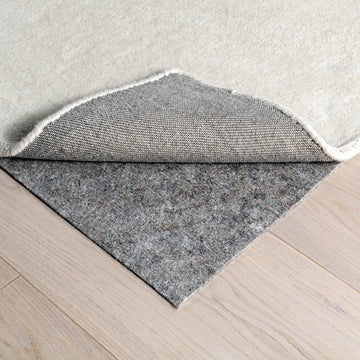
Use a suitable rug pad to improve stability and reduce slipping. Follow the manufacturer's cleaning instructions, vacuum regularly, and address spills promptly to help preserve the rug's appearance.
Conclusion
Choosing the right rug can transform a home library into a comfortable and visually balanced retreat. By considering material, size, colour, pattern, furniture coordination, and maintenance, you can select a design that complements your interior while supporting everyday use.
The most effective Luxury Home Library Ideas: How to choose the right rug begins with understanding the room's practical needs and decorative style. Whether you prefer a traditional wool rug, a richly patterned design, or a simple contemporary option, the right choice will help create a welcoming space for reading, working, and enjoying your book collection.


