

Outdoor Rugs Guide: Why Performance Design is a Game Changer
Outdoor spaces are no longer limited to basic functionality. Patios, balconies, and gardens are now treated as extensions of indoor living areas. This shift has increased the demand for durable and visually consistent décor elements, especially rugs.
In this Outdoor Rugs Guide: Why Performance Design is a Game Changer, we examine how performance-focused materials and construction methods are redefining outdoor rug selection, making them more practical for long-term use.
What Is Performance Design in Outdoor Rugs?
Performance design refers to the use of materials and construction techniques that enhance durability, resistance, and ease of maintenance. Unlike traditional rugs, performance outdoor rugs are engineered to handle exposure to environmental factors such as sunlight, moisture, and dirt.
Key Elements of Performance Design
-
UV-resistant fibers to prevent fading
-
Water-resistant or quick-drying materials
-
Mold and mildew resistance
-
Strong weaving techniques for long-term use
-
Easy cleaning and low maintenance
These features ensure that outdoor rugs maintain their structure and appearance even under frequent use and changing weather conditions.
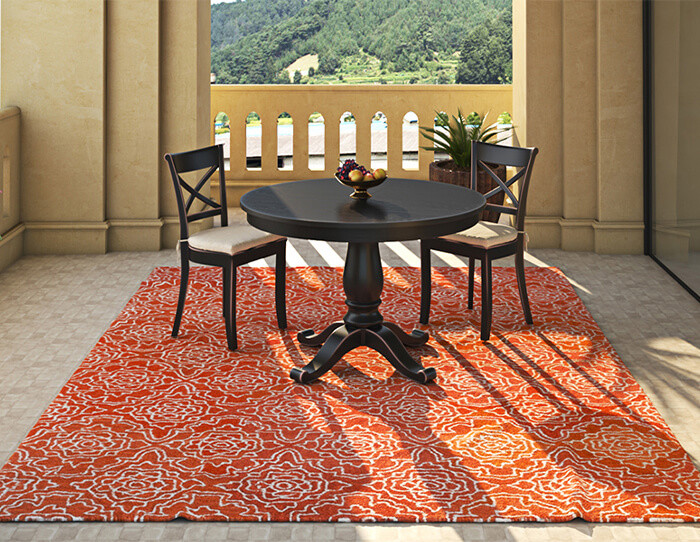
Why Performance Design Matters for Outdoor Spaces
Outdoor rugs face significantly more wear compared to indoor rugs. Without proper design, they can fade, retain moisture, or degrade quickly. Performance design addresses these issues directly.
Improved Durability
Performance rugs are typically made from materials like polypropylene or recycled synthetic fibers. These materials are known for their strength and resistance to damage, making them suitable for high-traffic areas such as patios and entryways.
Resistance to Weather Conditions
Outdoor rugs are exposed to rain, sunlight, and temperature changes. Performance design ensures that rugs dry quickly after exposure to water and do not lose their color under prolonged sun exposure.
Low Maintenance Requirements
Cleaning outdoor rugs becomes simpler with performance materials. Most rugs can be rinsed with water or cleaned with mild soap, reducing the need for intensive care routines.
Materials Used in Performance Outdoor Rugs
The effectiveness of performance design depends heavily on the materials used. Selecting the right material is essential for achieving the desired balance between durability and comfort.
Polypropylene
Polypropylene is one of the most common materials used in outdoor rugs. It is lightweight, resistant to moisture, and does not absorb stains easily. This makes it suitable for areas exposed to frequent spills or rain.
Polyester
Polyester offers good color retention and is often used in rugs with more detailed patterns. While slightly less durable than polypropylene, it provides a softer feel underfoot.
Recycled Plastics
Many modern outdoor rugs are made from recycled plastic materials. These rugs are environmentally conscious while still offering strong resistance to weather conditions and wear.
Design Considerations for Outdoor Rugs
Choosing an outdoor rug involves more than selecting a pattern. Performance design also includes practical aspects that influence usability and longevity.
Size and Placement
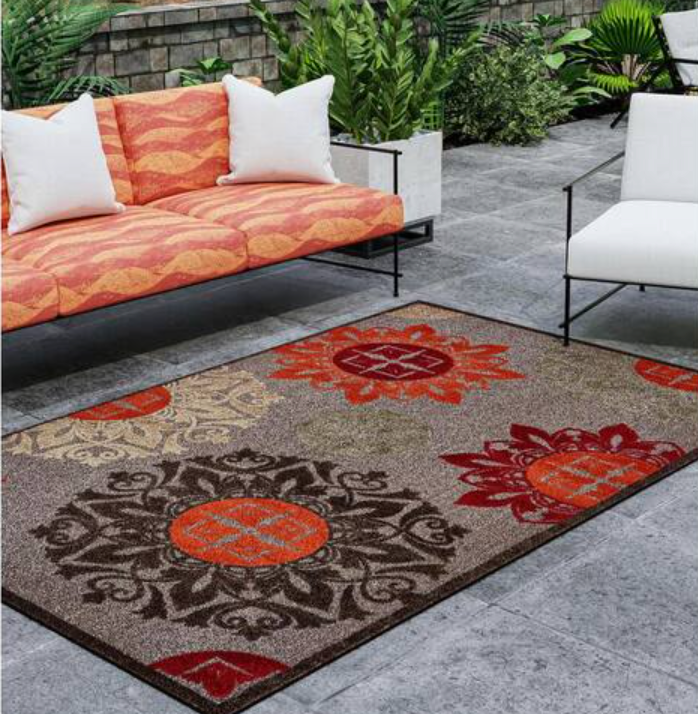
The rug should fit the outdoor space without overcrowding. For seating areas, ensure that the rug extends beyond the furniture to create a balanced layout.
Color and Pattern Selection
Darker colors and patterned designs help conceal dirt and stains, making them suitable for outdoor environments. Neutral tones can blend with natural surroundings, while bold patterns can define specific areas.
Texture and Comfort
While durability is essential, comfort should not be overlooked. Some performance rugs offer a softer texture, making them suitable for areas where people may sit or walk barefoot.
How Performance Design Enhances Long-Term Value
Investing in performance outdoor rugs provides long-term benefits by reducing replacement frequency and maintenance efforts.
Cost Efficiency Over Time
While performance rugs may have a higher initial cost, their durability ensures they last longer, reducing the need for frequent replacements.
Consistent Appearance
Performance materials maintain their color and structure over time, ensuring that outdoor spaces remain visually appealing without constant upkeep.
Final Thoughts
This Outdoor Rugs Guide: Why Performance Design is a Game Changer highlights the importance of selecting rugs that are built for real-world conditions. Performance design combines durability, ease of maintenance, and visual consistency, making it a practical choice for modern outdoor spaces.
When selecting an outdoor rug, focusing on materials, construction, and placement can significantly improve both functionality and lifespan. By prioritizing performance features, you can create outdoor areas that remain comfortable and visually balanced throughout the year.