


Rug Color Selection Guide for Living Rooms and Bedrooms
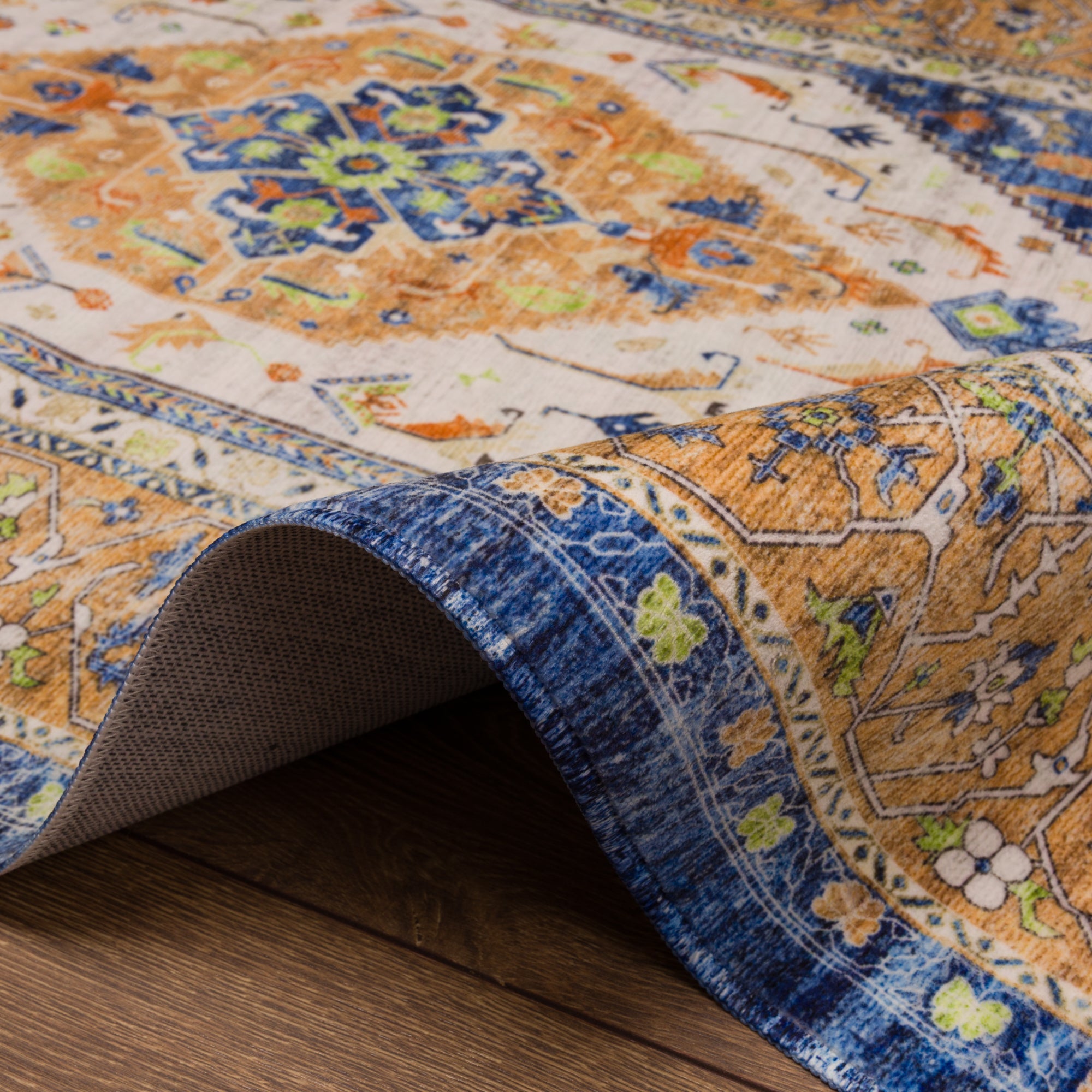
Choosing the right rug color plays an important role in defining the look and comfort of a home. Rugs are not only decorative elements but also help connect furniture, walls, and flooring into a complete visual layout. This rug color selection guide for living rooms and bedrooms focuses on practical methods to select colors that suit your space, lighting, and personal preferences without making the room feel overwhelming or dull.
Why Rug Color Selection Matters
Rug color influences how large or small a room appears, how warm it feels, and how well the furniture stands out. In living rooms, rugs often become the center point, while in bedrooms they add softness and comfort. Choosing the wrong color can make a room feel crowded or mismatched, while the right choice can improve balance and harmony.
Understanding Room Size and Rug Color
Light Colors for Small Rooms
Light-colored rugs such as beige, cream, light grey, or pastel shades work well in small living rooms and bedrooms. These colors reflect light and make the room appear more open. If your room has limited space, avoid very dark rugs as they can make the area look smaller.
Dark Colors for Large Rooms
Large rooms can handle deeper shades such as navy blue, charcoal, brown, or dark green. Dark rugs help define seating areas in living rooms and add a grounded look to spacious bedrooms. They also hide stains better, making them suitable for high-traffic areas.
Rug Color Selection Based on Wall Colors
Neutral Walls
If your walls are white, cream, or light grey, you have more flexibility. You can choose neutral rugs for a calm appearance or add contrast using darker or patterned rugs. Neutral walls pair well with almost all rug colors.
Bold or Dark Walls
Rooms with strong wall colors such as blue, green, or maroon require careful rug selection. Lighter rugs balance the intensity of dark walls, while rugs that match one tone from the wall color help maintain consistency.
Matching Rugs with Furniture
Living Room Furniture
In living rooms, rugs should support the furniture color rather than compete with it. If your sofa and chairs are dark, choose a lighter rug to balance the space. For light-colored furniture, medium or darker rugs help create contrast and prevent the room from looking washed out.
Bedroom Furniture
Bedrooms often feature wooden furniture. Warm-toned rugs like beige, tan, or muted browns complement wooden beds and wardrobes. For modern furniture with clean lines, grey or soft blue rugs work well.
Choosing Rug Colors Based on Lighting
Rooms with Natural Light
Living rooms with large windows can handle darker or richer rug colors because natural light prevents the room from feeling closed. You can experiment with deeper tones without worrying about dullness.
Low-Light Rooms
Bedrooms or living rooms with limited lighting benefit from lighter rugs. Soft shades improve brightness and make the room feel more welcoming.
Neutral vs Patterned Rugs
Neutral Rugs
Neutral rugs are a safe option for both living rooms and bedrooms. They blend easily with changing furniture or decor and work well in minimal interiors. Beige, grey, and off-white rugs remain popular due to their flexibility.
Patterned Rugs
Patterned rugs add visual interest but should be used carefully. In living rooms with plain furniture, patterns can add character. In bedrooms, subtle patterns are better to maintain a calm atmosphere.

Rug Color Selection for Living Rooms
Living rooms often experience more movement and activity. Medium-tone rugs are practical because they balance appearance and maintenance. Colors such as grey, brown, or mixed patterns hide dirt while maintaining a clean look. If your living room has neutral furniture, adding a rug with soft colors can break monotony without overwhelming the space.
Rug Color Selection for Bedrooms
Bedrooms focus on comfort and relaxation. Soft colors like light blue, pastel green, cream, or warm grey help create a peaceful environment. Avoid very bold or sharp colors in bedrooms as they can disturb the calm feeling. The rug should support rest rather than draw too much attention.
Seasonal Considerations for Rug Colors
Rug colors can also be chosen based on climate. In warmer regions, light and cool colors feel comfortable. In colder climates, warmer shades such as rust, brown, or deep beige add warmth. Some homeowners prefer changing rugs seasonally to refresh the room’s look.
Common Mistakes to Avoid
-
Choosing a rug color without considering wall and furniture shades
-
Selecting very dark rugs for small or low-light rooms
-
Using bold patterns in already busy spaces
-
Ignoring maintenance needs and foot traffic
Avoiding these mistakes ensures your rug enhances rather than disrupts the room design.
Conclusion
This rug color selection guide for living rooms and bedrooms highlights the importance of thoughtful color choices. By considering room size, lighting, wall color, and furniture, you can select a rug that improves comfort and visual balance. A well-chosen rug supports the overall interior design and creates a cohesive living environment without unnecessary complexity.