


Rug Color Trends & Pairing Guides for Every Interior Style
Rugs play a functional and visual role in interior design. Beyond comfort, they influence how a space feels, how furniture is perceived, and how colors interact within a room. As interior preferences evolve, rug color choices have become more intentional rather than decorative add-ons. Rug Color Trends & Pairing Guides for Every Interior Style explains how current color directions align with popular home styles and how to apply them thoughtfully.
Why Rug Color Selection Matters in Interior Design
Rug color directly affects spatial balance. Light tones can make compact rooms feel open, while deeper shades add grounding to large spaces. Unlike wall paint, rugs offer flexibility you can update a room’s look without structural changes. Choosing the right rug color also helps connect furniture, wall finishes, and décor into a cohesive visual flow.

From living rooms to bedrooms, rug colors influence warmth, contrast, and overall harmony. That is why understanding pairing principles matters more than simply following trends.
Current Rug Color Trends Shaping Modern Interiors
Neutral and Earth-Based Tones
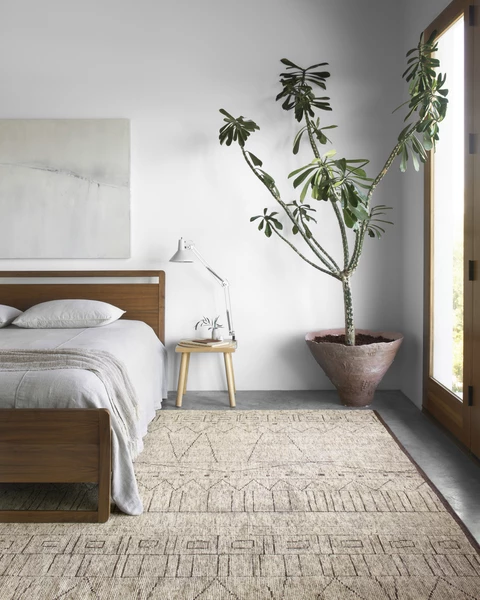
Neutral rugs remain widely used, but their character has shifted. Beige, warm grey, sand, and clay-inspired tones are preferred over stark whites. These shades work well with natural wood, stone, and linen finishes, offering subtle depth without overpowering the room.
Muted Greens and Blues
Soft sage, olive, slate blue, and dusty navy are increasingly used in rugs for both modern and transitional homes. These colors bring calmness and are easy to pair with neutral sofas, wooden furniture, and metal accents.
Warm Browns and Terracotta Shades
Brown is returning in refined forms such as cocoa, caramel, and rust. Terracotta-based rugs complement warm lighting and pair well with tan leather, off-white walls, and indoor plants.
Low-Contrast Patterns
Rather than bold motifs, current rug designs favor tonal patterns. Variations within the same color family add texture without visual clutter, making them suitable for minimalist and contemporary spaces.
Rug Color Pairing by Interior Style
Modern Interior Style
Modern interiors focus on clean lines and controlled color use. Rugs in grey, charcoal, muted blue, or warm taupe fit well here.
Pairing Tips:
-
Match cool-toned rugs with black, chrome, or glass furniture
-
Use solid or lightly textured rugs instead of high-contrast patterns
- Balance darker rugs with light walls or minimal décor
Minimalist Interior Style
Minimalist spaces rely on simplicity and restraint. Rug colors should support this approach rather than compete for attention.
Best Choices:
-
Off-white, light beige, pale grey
- Very subtle texture or flat weaves
Pairing Tips:
-
Keep furniture and rug tones within the same color range
-
Avoid sharp contrasts
- Use rugs to define zones rather than act as focal points
Classic and Traditional Interior Style
Traditional interiors allow for richer colors and defined patterns. Rugs often serve as visual anchors.
Recommended Colors:
-
Burgundy, deep blue, forest green
- Cream-based backgrounds with muted detailing
Pairing Tips:
-
Coordinate rug colors with upholstery or curtains
-
Ensure patterns align with the scale of the room
- Use rugs to unify antique or ornate furniture
Final Thoughts
Understanding Rug Color Trends & Pairing Guides for Every Interior Style helps homeowners and designers make informed decisions rather than relying on trial and error. Rug colors should support the room’s purpose, complement its design language, and offer flexibility over time. By focusing on tone, texture, and pairing logic, rugs can enhance interiors without overwhelming them.