


How to Choose 8x10 Rugs for the Living Room
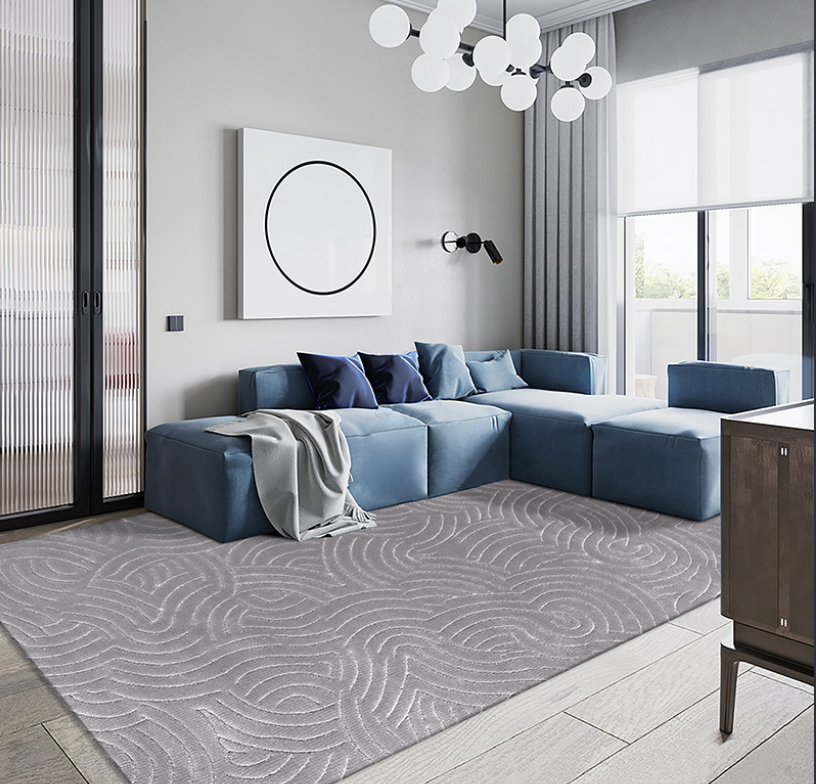
An area rug can help define a living room, connect furniture, and make hard flooring more comfortable underfoot. Among commonly available dimensions, an 8x10 rug provides enough surface area for many medium-sized living rooms without covering the entire floor.
Understanding how to choose 8x10 rugs for living room spaces involves more than selecting a colour or pattern. Room dimensions, furniture arrangement, rug material, maintenance requirements, and the amount of daily foot traffic should all influence the decision. Measuring and planning before making a selection can help ensure the rug fits both the practical and visual requirements of the room.
Measure Your Living Room First
Before choosing an 8x10 rug, measure the available floor space. A rug may look appropriately sized in a showroom or photograph but appear very different once placed in your home.
Measure the overall room and then measure the area occupied by the main seating arrangement. Marking the approximate 8x10 dimensions on the floor with removable painter's tape can help you visualise how much space the rug will cover.
Check the Space Around the Rug
A rug generally looks more balanced when some flooring remains visible around its edges. The exact amount depends on the room dimensions and furniture layout.
Avoid placing an 8x10 rug in a space where it nearly reaches every wall unless that appearance is intentional. Consistent exposed flooring around the rug can help create a clear border and prevent the room from feeling crowded.
Plan the Furniture Placement
Furniture placement has a significant effect on whether an 8x10 rug works well in a living room.
In many layouts, the rug sits beneath the coffee table while extending far enough to support the front legs of the sofa and surrounding chairs. This arrangement visually connects the seating pieces and creates a defined conversation area.
Decide Which Furniture Sits on the Rug
For a larger living room, you may be able to place the sofa and chairs entirely on the rug. In a more compact space, placing only the front furniture legs on it is often practical.
Whichever approach you choose, use it consistently. Having one chair completely on the rug while another sits far outside it can make the furniture arrangement appear uneven.

Select a Material for Daily Use
The right rug material depends on how frequently the living room is used.
Wool is often chosen for living areas because it provides a soft surface and works with many interior styles. Synthetic fibres may offer practical cleaning options for busy households. Natural fibres can introduce noticeable texture but may feel firmer underfoot.
Consider children, pets, frequent visitors, and everyday activities when comparing materials.
Consider Cleaning Requirements
Living room rugs can collect dust, crumbs, pet hair, and other debris. Before choosing a material, review its recommended cleaning method.
Some rugs can tolerate regular vacuuming and spot cleaning, while others require professional care. A light-coloured or delicate rug may need more frequent attention in a high-traffic household.
Choose Colours That Work With the Room
A rug does not have to match the sofa or curtains exactly. Instead, its colours should relate to the broader palette of the room.
Look at existing wall colours, upholstery, flooring, curtains, cushions, and artwork. A rug containing one or two shades already present in the room can create visual continuity.
For rooms with several strong colours, a neutral rug may provide balance. In a mostly neutral room, a rug can introduce additional colour without requiring major changes to furniture or walls.
Select the Right Pattern
Patterns can affect how large, busy, or structured a living room appears.
If your sofa, curtains, or cushions already contain detailed patterns, a simpler rug may prevent the room from becoming visually crowded. If most furniture is plain, a patterned rug can add interest to the floor.
Think About Pattern Scale
Large patterns are easier to see across an 8x10 surface and can become a noticeable part of the room's design. Smaller repeating patterns tend to create a more detailed appearance.
Consider how much of the rug will remain visible after furniture is placed on it. A central motif, for example, may be hidden by a large coffee table.
Consider Rug Pile Height
Pile height influences both appearance and maintenance.
Low-pile rugs generally provide a flatter surface and can be easier to vacuum. They may suit busy living rooms where chairs or tables are frequently moved. Medium-pile rugs provide additional softness while remaining practical for many households.
Higher-pile rugs offer a softer texture but may require more maintenance and can make lightweight furniture less stable.
Check the Rug Against Your Flooring
The colour and texture of the floor should also influence rug selection.
A rug placed over dark wood may appear different from the same design placed over pale tile or light timber. Creating some contrast between the floor and rug can help define its shape.
If possible, view a rug sample in the room before making a final decision. Natural and artificial lighting can change how colours appear throughout the day.
Use a Rug Pad When Appropriate
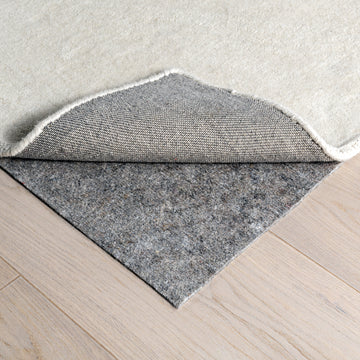
A rug pad sits between the rug and floor and can serve several practical purposes.
Depending on the rug and flooring type, a suitable pad may reduce movement, add cushioning, and provide an additional layer between the rug backing and floor. It can also help keep the rug positioned correctly beneath furniture.
Choose a rug pad designed for the specific flooring material and make sure it is slightly smaller than the rug so it remains hidden.
Review the Entire Room Before Deciding
When learning how to choose 8x10 Rugs for living room interiors, it is useful to consider the room as a complete arrangement rather than evaluating the rug separately.
Review its dimensions, colour, pattern, texture, and material alongside the sofa, chairs, tables, flooring, curtains, and lighting. A suitable rug should support the furniture layout while remaining practical for everyday use.
Final Thoughts
An 8x10 rug can provide a clear foundation for a living room seating area when its dimensions suit the available space. Start by measuring the room and planning furniture placement before comparing colours, patterns, materials, and pile heights.
The right choice should reflect both appearance and daily use. By considering maintenance, flooring, furniture placement, and room proportions together, you can select an 8x10 rug that fits naturally into the living room and creates a well-organised, comfortable space.