

How to Choose Rug Colors for Your Home Interior
Choosing the right rug color can change the overall look and feel of a room. Rugs are not just floor coverings; they connect furniture, balance colors, and add comfort to a space. Many homeowners feel confused when selecting rug colors because there are many options available. Understanding how different colors work with your interior helps you make a confident choice.
Understand the Purpose of the Room
Before selecting a rug color, it is important to understand how the room is used. Each space in your home serves a different function, and the rug color should support that purpose.
Living Room Rug Color Selection
The living room is often the most used space in a home. Neutral rug colors like beige, grey, or soft brown work well because they blend easily with furniture and wall colors. If your living room has plain furniture, a rug with subtle patterns or darker shades can add depth.
Bedroom Rug Color Selection
For bedrooms, soft and calm colors are usually preferred. Light blue, cream, pastel green, or muted grey create a relaxing atmosphere. Avoid very bright or dark colors unless the room design specifically supports them.

Dining Room Rug Color Selection
Dining room rugs should handle spills and frequent movement. Medium to dark shades help hide stains and wear. Colors that match dining chairs or table wood tones create a balanced look.
Consider the Size of the Room
Room size plays a major role in deciding rug color. The wrong color can make a room feel smaller or unbalanced.
Rug Colors for Small Rooms
Light-colored rugs make small rooms look bigger and more open. Shades like ivory, light grey, and soft beige reflect light and reduce visual heaviness. Avoid very dark rugs in compact spaces as they can make the room feel crowded.
Rug Colors for Large Rooms
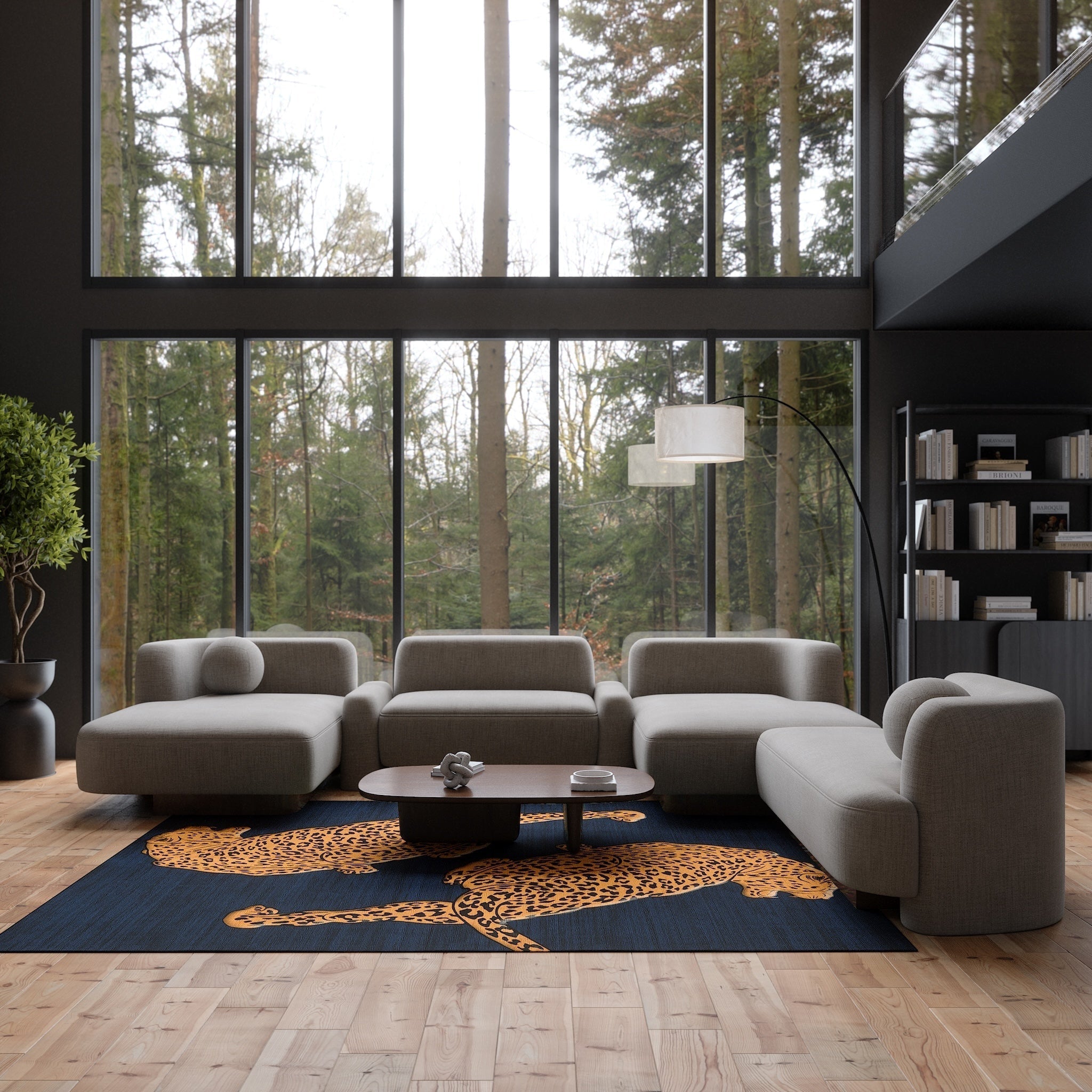
Larger rooms can handle darker or richer rug colors. Deep blue, brown, or charcoal rugs help ground the space and prevent it from feeling empty. You can also use patterned rugs to add structure to a large area.

Match Rug Color with Wall and Furniture Colors
One of the most important steps in learning how to choose rug colors for your home interior is understanding color coordination.
Matching with Wall Colors
If your walls are painted in light shades, you can choose either light or dark rugs depending on the mood you want. Dark walls usually work better with lighter rugs to maintain balance.
Matching with Furniture
Look at the main furniture pieces such as sofas, beds, and tables. Rugs should complement these items, not compete with them. For example, if your sofa is dark brown, a lighter rug creates contrast, while a similar shade creates a uniform look.
Evaluate Natural and Artificial Lighting
Lighting affects how rug colors appear throughout the day. A rug that looks good in a store may look different at home.
Rooms with Natural Light
Rooms with good sunlight can support darker rug colors without looking dull. Natural light enhances texture and color depth.
Rooms with Limited Light
For rooms with less natural light, lighter rug colors help brighten the space. Avoid very dark or dull shades in such areas as they can make the room feel closed.
Choose Between Solid and Patterned Rugs
The choice between solid and patterned rugs depends on your existing interior elements.
Solid Color Rugs
Solid rugs are ideal for rooms with patterned furniture, curtains, or wall designs. They keep the space balanced and visually calm.
Patterned Rugs
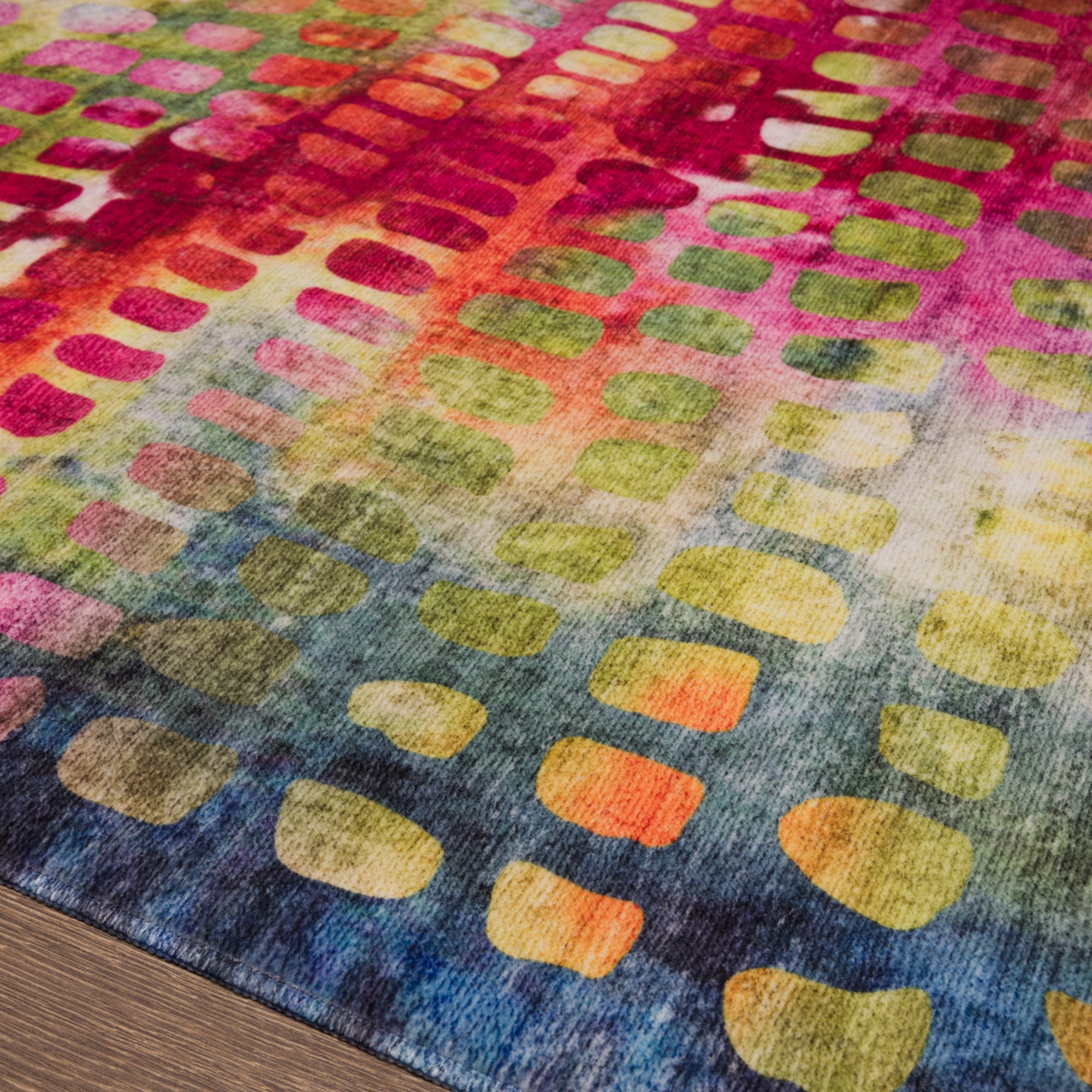
Patterned rugs work well in simple interiors with minimal decoration. Choose patterns that include one or two colors already present in the room for consistency.

Think About Maintenance and Lifestyle
Your lifestyle should influence rug color selection. Homes with children or pets need practical solutions.
Low-Maintenance Rug Colors
Medium-tone rugs with mixed patterns are easier to maintain. They hide dust and stains better than very light or very dark rugs.
High-Traffic Areas
For hallways and living rooms, avoid pure white or very light rugs. Earthy tones and textured designs are more forgiving and long-lasting.
Use Rug Color to Create Visual Balance
Rugs can help balance a room’s overall design. If a space feels too plain, a slightly darker rug adds weight. If it feels heavy, a lighter rug softens the look. The goal is to create harmony between all elements.
Final Thoughts
Understanding how to choose rug colors for your home interior does not require complex rules. Focus on room purpose, size, lighting, furniture, and daily use. A well-chosen rug color ties the entire space together and improves comfort and visual appeal.
By following these practical guidelines, you can select rug colors that suit your home naturally and remain timeless for years to come.