


Large Area Rugs: How to Choose and Style an Oversized Rug
Large area rugs can change how a room feels by defining furniture zones, adding softness underfoot, and creating a more connected layout. However, choosing an oversized rug requires more than selecting a design that looks attractive. Size, material, placement, color, and room proportions all play an important role in how the rug works within the space.
When planning large area rugs how to Choose and Style an Oversized Rug, the objective should be to select a rug that supports the room rather than overpowering it. A well-proportioned rug can make furniture arrangements feel more intentional, while a poorly sized one can make even a spacious room appear unbalanced.
Start With the Correct Rug Size
The first step is to measure the room carefully before choosing a rug. Large rugs should usually extend beyond the main furniture grouping rather than sitting only beneath a coffee table or central piece.
In a living room, the rug should ideally be large enough to accommodate at least the front legs of sofas and chairs. In larger spaces, placing all furniture legs on the rug can create a stronger sense of unity.
For dining rooms, the rug should extend far enough beyond the table so chairs remain on the rug when pulled out.
Measure Before Shopping
Use a tape measure to determine the width and length of the area you want the rug to cover. It can also help to mark the proposed rug dimensions on the floor with painter's tape.
This gives you a clearer idea of how much visible flooring will remain around the rug and whether the chosen size suits the furniture layout.
Avoid choosing a rug only by standard dimensions. Room size and furniture placement should guide the final decision.

Consider the Room Layout
Large area rugs work best when they support the existing furniture arrangement.
In open-plan homes, an oversized rug can help define a living area without the need for walls or partitions. A separate rug can also distinguish a dining zone or reading area.
The rug should follow the proportions of the room. Rectangular rugs generally work well in longer spaces, while square rugs may suit more symmetrical rooms.
Leave Enough Floor Visible
Even when using a large rug, some visible flooring around the edges is usually beneficial. This creates a border that helps frame the rug and prevents the room from feeling completely covered.
The exact amount of exposed flooring depends on the room dimensions, but maintaining a consistent border generally creates a more balanced appearance.
Choose a Material Based on Room Use
Material affects how a rug looks, feels, and performs over time.
Wool is commonly used for large area rugs because it offers softness, durability, and natural insulation. It can work well in living rooms, bedrooms, and other frequently used spaces.
Cotton rugs can provide a lighter feel and may be easier to handle, although they may not offer the same durability as wool in high-traffic areas.
Synthetic materials can be practical for busy households because they are often easier to maintain and may resist staining more effectively.
Natural fibers such as jute or sisal can add texture, although their surface may feel firmer underfoot.
Select Colors That Work With the Room
The color of an oversized rug has a significant visual impact because it covers a large portion of the floor.
Neutral shades can create a calm foundation and allow furniture, artwork, and decorative objects to attract more attention. Beige, cream, grey, taupe, and muted natural tones can work across many interior styles.
Darker rugs can make a large room feel more grounded, while lighter shades can help create an open and airy appearance.
If the room already contains several strong colors, a restrained rug may provide better balance. If the furnishings are mostly neutral, the rug can introduce additional color.
Use Patterns With the Right Scale
Pattern size is especially important with oversized rugs.
A small, detailed pattern spread across a very large surface can sometimes appear visually busy. Larger motifs, broader geometric designs, or softly repeated patterns may suit expansive rugs more comfortably.
However, the choice should also relate to the rest of the room.
If curtains, cushions, or upholstery already contain detailed prints, consider a simpler rug. If the furniture is mostly solid, the rug can carry more pattern without creating unnecessary competition.
Coordinate Rather Than Match
The rug does not need to match every fabric or surface in the room. Instead, look for shared colors, similar undertones, or compatible pattern styles.
For example, a rug with muted blue and cream details can coordinate with blue cushions, neutral upholstery, and warm wood furniture without repeating the exact same shades.
This approach creates connection while keeping the space visually varied.
Style Large Rugs in Living Rooms
In a living room, the rug should help bring the seating arrangement together.
For larger spaces, placing the sofa, armchairs, coffee table, and side tables fully on the rug can create a strong central zone. In smaller living rooms, positioning only the front furniture legs on the rug may be sufficient.
Keep the rug centered around the main seating group rather than necessarily centering it within the entire room.
This is particularly useful in irregular layouts where furniture placement is more important than architectural symmetry.
Style Oversized Rugs in Bedrooms
Large rugs can make bedrooms feel warmer and more comfortable.
One common approach is to position the rug beneath the bed so it extends beyond both sides and the foot. This provides a soft surface when getting in and out of bed.
The rug does not always need to reach the headboard. Starting it slightly in front of the bedside tables can reduce the amount of rug hidden beneath furniture while still creating the desired effect.
Use the Right Rug Pad
A rug pad is especially important for large rugs.
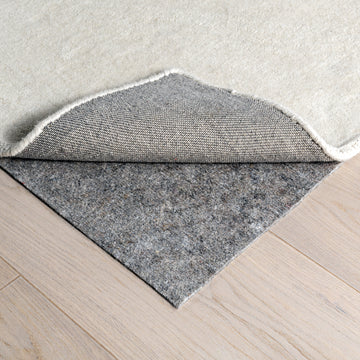
It can reduce movement, add cushioning, protect the flooring underneath, and help the rug maintain its shape. The pad should be slightly smaller than the rug so it remains hidden around the edges.
Choose the rug pad based on both the rug material and the type of flooring below it.
Plan for Cleaning and Maintenance
Oversized rugs can be more difficult to move, so maintenance should be considered before purchase.
Regular vacuuming helps reduce dust and debris, especially in high-traffic areas. Rotate the rug periodically if possible to encourage more even wear.
Address spills promptly according to the manufacturer's care instructions. Some rugs may require professional cleaning, particularly if they are made from wool or other delicate materials.
Conclusion
Choosing and styling a large rug requires careful attention to proportion, furniture placement, material, colour, and practical maintenance. The principles behind Large Area Rugs: How to Choose and Style an Oversized Rug are mainly about creating visual balance and ensuring the rug supports how the room is used.
Measure the space before buying, choose a material suited to the level of foot traffic, and coordinate colours and patterns with the wider interior. When the scale and placement are correct, an oversized rug can help define the room, connect furniture, and create a more comfortable and cohesive layout.


