

Modern Rugs Are Breaking Their Rules
Modern rugs are no longer limited to simple geometric patterns, neutral colours, or fixed placement beneath furniture. Designers and homeowners are using rugs in more expressive ways, allowing them to influence the mood, structure, and visual identity of a room.
The idea that Modern Rugs Are Breaking Their Rules reflects a broader change in interior design. Rugs are being treated as creative design elements rather than practical floor coverings alone. They may feature irregular shapes, contrasting textures, oversized patterns, unexpected colour combinations, or layouts that deliberately challenge traditional decorating principles.
This shift gives homeowners more freedom, but it also requires thoughtful planning. A rug should feel distinctive without creating unnecessary visual clutter. Understanding how modern rug design is changing can help you select pieces that feel current, balanced, and suitable for your space.
Traditional rug rules are becoming less important.
For many years, rug placement followed a predictable set of guidelines. Living room rugs were expected to sit beneath the front legs of sofas. Dining room rugs needed to extend evenly beyond the table. Bedroom rugs were usually centred beneath the bed.
These principles remain useful, especially when creating a formal or symmetrical interior. However, modern rooms often rely on more flexible layouts.
A rug may now sit at an angle, cover only one section of a room, or overlap with another rug. In open-plan spaces, several rugs may be used to define different functional areas rather than create one continuous arrangement.
The focus has shifted from following fixed measurements to creating visual balance.
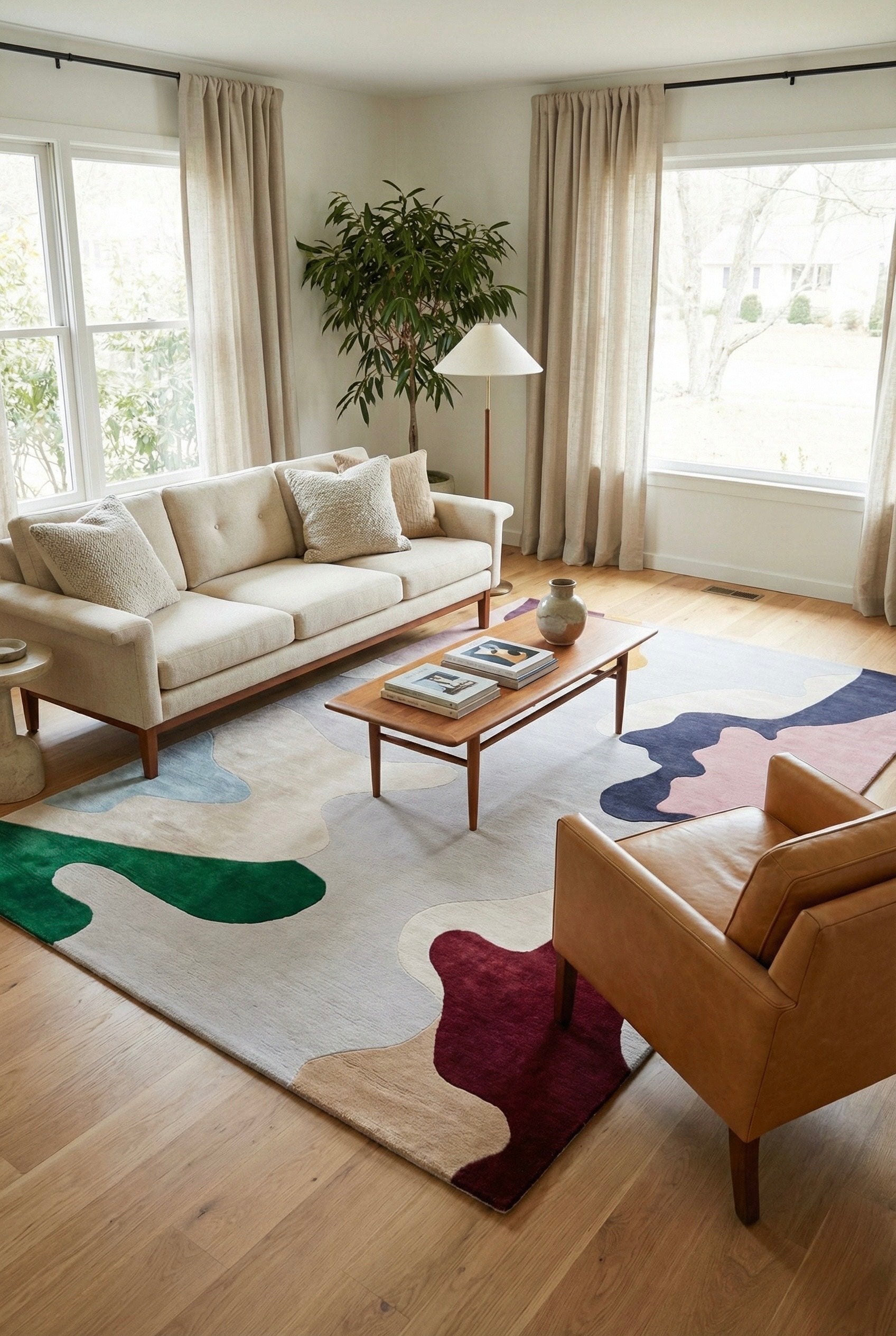
Irregular Shapes Are Replacing Standard Rectangles
Rectangular rugs remain widely used, but they are no longer the only practical option. Curved, oval, free-form, and asymmetrical rugs are becoming more common in contemporary interiors.
Curved Rugs Create Softer Interiors
Rooms often contain many straight architectural lines, including walls, windows, cabinets, tables, and shelving. A curved rug can reduce the rigid appearance of these elements.
Round or organic-shaped rugs work particularly well in:
-
Reading areas
-
Small seating zones
-
Bedrooms
-
Entryways
-
Rooms with curved furniture
They can also help direct attention towards a specific feature, such as a coffee table, armchair, or decorative light fitting.
Asymmetrical Designs Add Movement
An irregular rug naturally creates a sense of movement. It can make a room feel less formal and more visually engaging.
However, asymmetrical rugs should be balanced with simpler furniture arrangements. Too many unusual shapes in one room may compete for attention.
Bold Patterns Are No Longer Limited to Feature Rooms
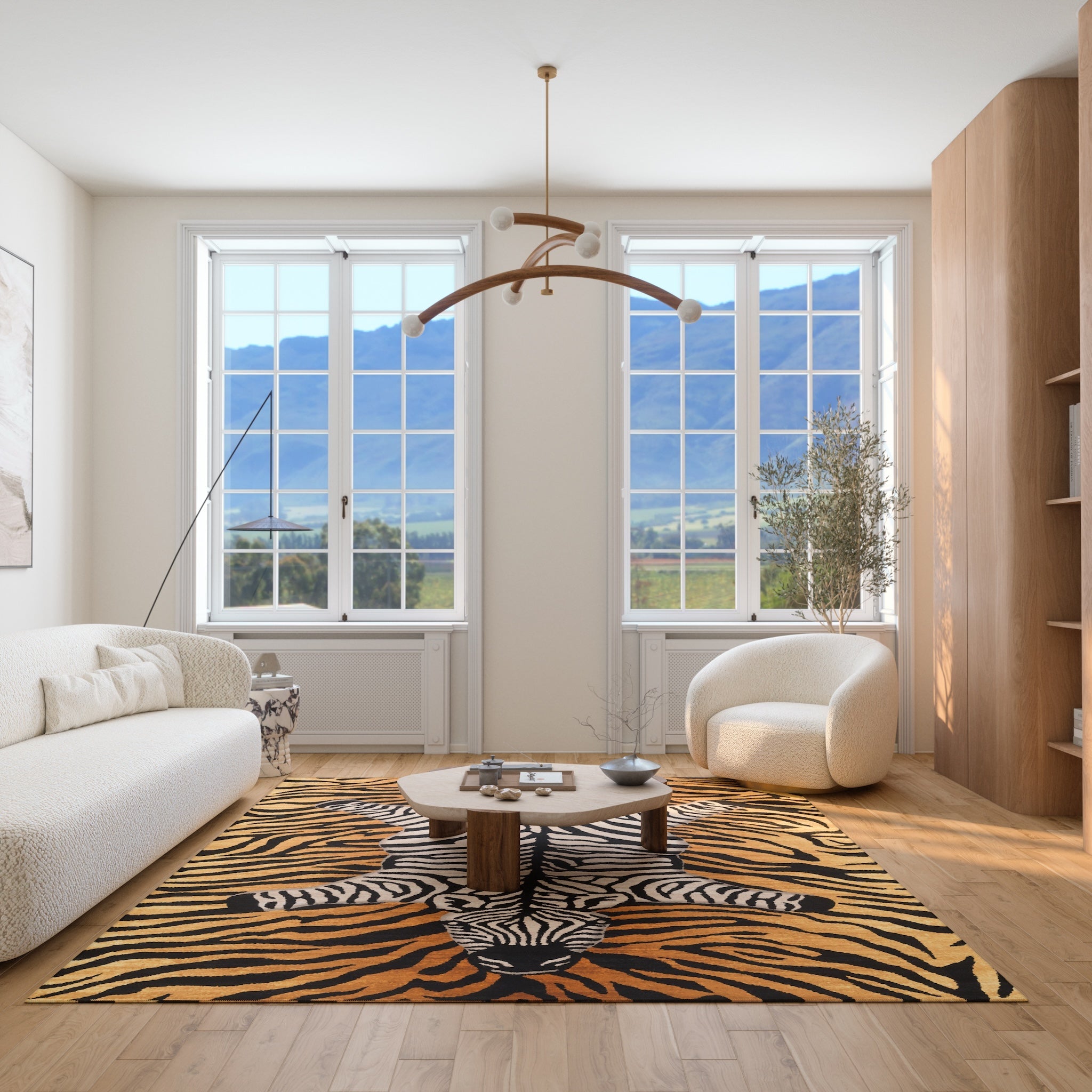
Modern patterned rugs are appearing in living rooms, bedrooms, dining areas, and even home offices. Large abstract designs, distorted grids, brush-like markings, and contrasting colour blocks are replacing repetitive traditional motifs.
A bold rug can act as the main visual feature of a room. In this situation, furniture and wall colours should support the rug rather than compete with it.
For example, a rug with strong red, blue, and yellow elements may work best with neutral upholstery and limited decorative accessories. The rug provides the visual energy, while the remaining elements maintain balance.
Rug Colours Do Not Need to Match Everything
One of the most common traditional decorating rules is that a rug should match the curtains, cushions, walls, or furniture. Modern interiors often take a different approach.
A rug may introduce a completely new colour into the room. It may also combine colours that do not appear elsewhere in the space.
The goal is not always exact colour matching. Instead, designers often look for visual connection through tone, contrast, or intensity.
Use Colour Relationships Instead of Exact Matches
A deep green rug does not require green cushions. It may work with warm timber, cream upholstery, black metal, or muted terracotta.
Similarly, a brightly coloured rug can be balanced by furniture in quieter shades. This creates contrast without making the room feel disconnected.
Layering Rugs Creates Depth and Definition
Layering was once considered unnecessary or overly decorative. It is now a practical method for introducing texture, colour, and structure.
A large neutral rug can be used as a foundation, with a smaller patterned rug placed over it. This allows homeowners to introduce detail without covering the entire floor with a strong design.
Layering also works well in rented properties, where permanent flooring changes may not be possible.
Choose Complementary Textures
The rugs do not need to match, but their materials should work together. A flat woven base rug can support a softer wool or textured rug above it.
Avoid layering two very thick rugs, as the result may become uneven and difficult to walk across.
Modern Rugs Are Moving Beyond the Living Room
Rugs are now being used in areas where they were once less common. Kitchens, hallways, bathrooms, and workspaces can all benefit from carefully selected rugs.
In a kitchen, a narrow runner can soften hard flooring and define the working area. In a home office, a rug can separate the desk zone from the rest of the room while reducing noise.
Material choice is especially important in high-use areas. Low-pile, washable, or stain-resistant rugs are generally more practical than delicate fibres.
Texture Is Becoming as Important as Pattern
Modern rug design is not only about colour and print. Texture plays a major role in how a rug affects the room.
High-and-low pile designs, hand-carved surfaces, looped yarns, braided fibres, and mixed materials create depth even when the colour palette is simple.
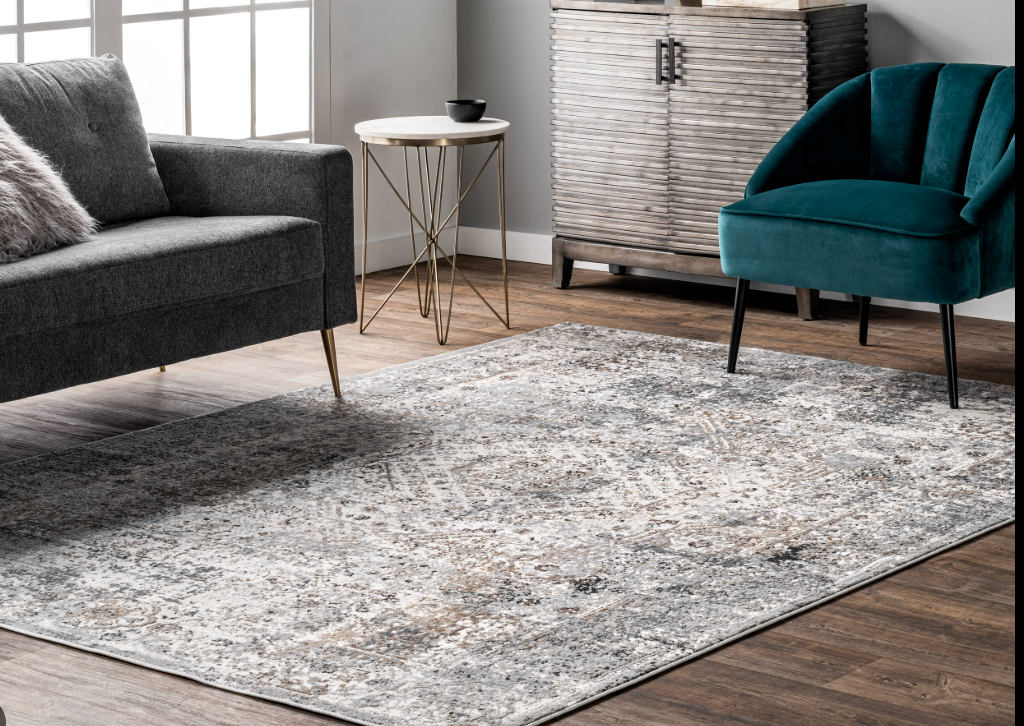
A textured cream or grey rug may appear understated from a distance but provide strong visual detail when viewed closely. This makes textured rugs suitable for minimalist interiors that need warmth without bold colour.
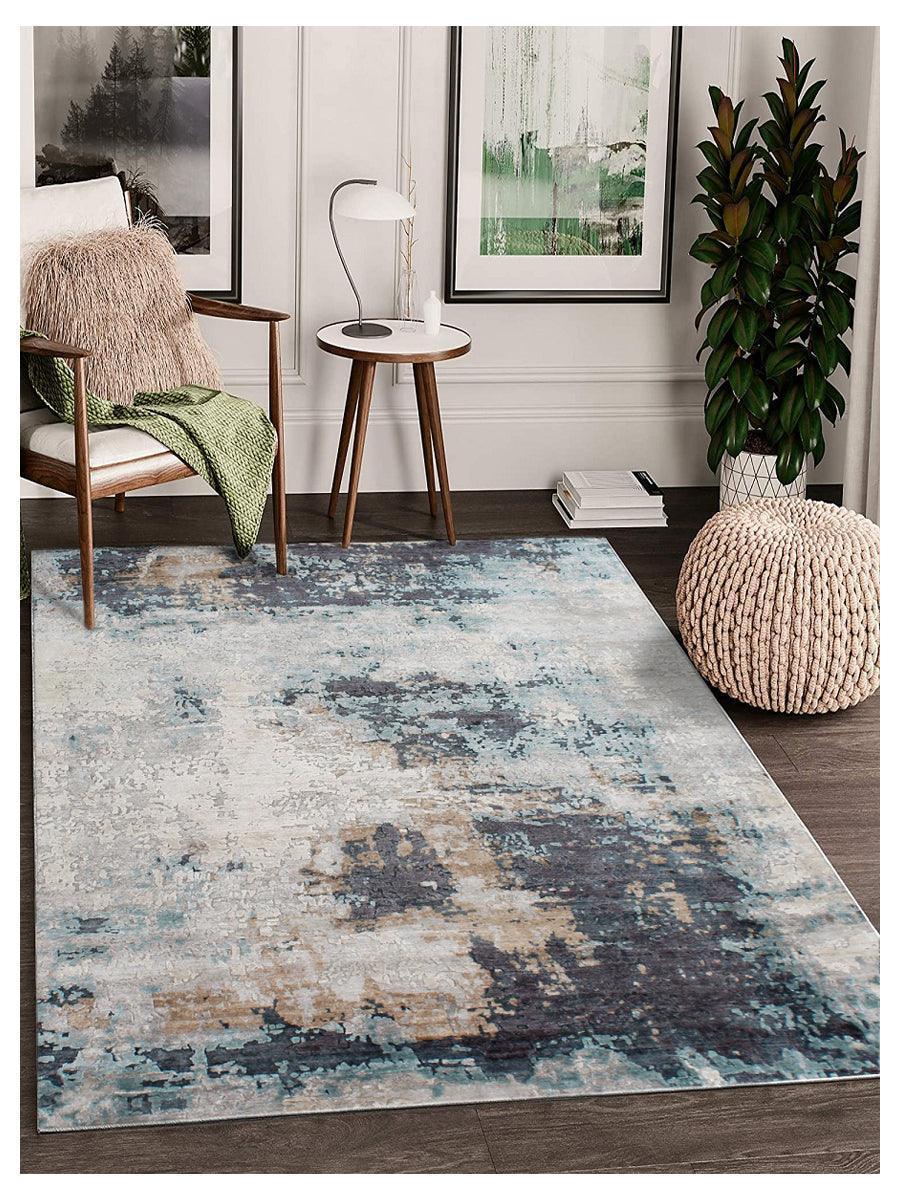
Sustainability Is Influencing Modern Rug Design
Material choices are also changing. Many homeowners are paying closer attention to durability, production methods, and fibre sources.
Natural materials such as wool, jute, cotton, and sisal remain popular. Recycled fibres and responsibly sourced materials are also becoming more widely available.
A sustainable rug should not be selected based on material claims alone. Buyers should also consider construction quality, expected lifespan, care requirements, and whether the rug suits the intended location.
A durable rug that remains useful for many years may be a more practical choice than a low-quality product that requires frequent replacement.
How to Choose a Rule-Breaking Rug
A distinctive rug should still support the practical needs of the room.
Before choosing one, consider:
Room Function
A dining room rug should allow chairs to move comfortably. A bedroom rug should feel pleasant underfoot. A hallway rug should cope with regular foot traffic.
Existing Furniture
An unusual rug shape may work well with simple furniture. A highly patterned room may benefit from a quieter rug.
Floor Visibility
Modern layouts do not always require the rug to cover most of the floor. Leaving visible flooring around the rug can make its shape and design more noticeable.
Maintenance
Light colours, deep textures, and delicate materials may require more regular care. Select a rug that suits your household and daily routine.
Conclusion
The statement Modern Rugs Are Breaking Their Rules describes a genuine change in how rugs are designed and used. Fixed shapes, exact colour matching, centred placement, and traditional room restrictions are giving way to more flexible choices.
Modern rugs can define zones, introduce contrast, soften architectural lines, or become the main feature of a room. The most effective designs do not ignore balance or practicality. Instead, they apply traditional principles more selectively.
By considering shape, scale, texture, material, placement, and maintenance, homeowners can use modern rugs in ways that feel original while remaining functional and visually coherent.