

Styling Series: Rug Rules For Any Room
Rugs play an essential role in interior design. They help define spaces, add comfort, and bring balance to a room. However, choosing the right rug is not just about color or pattern. Size, placement, and material all matter. This Styling Series: Rug Rules For Any Room guide explains how to use rugs correctly so they enhance your space rather than overwhelm it.
Whether you are decorating a living room, bedroom, dining area, or hallway, following basic rug rules can improve both appearance and functionality.
Why Rugs Matter in Interior Design
Rugs are more than decorative accessories. They help anchor furniture, soften hard flooring, and create visual zones within a room. A well-chosen rug can make a small room feel larger or a large room feel more connected.
Incorrect rug sizing or placement, however, can disrupt the flow of a space. That is why understanding rug rules is essential before making a purchase.
Living Room Rug Rules
Choose the Right Size
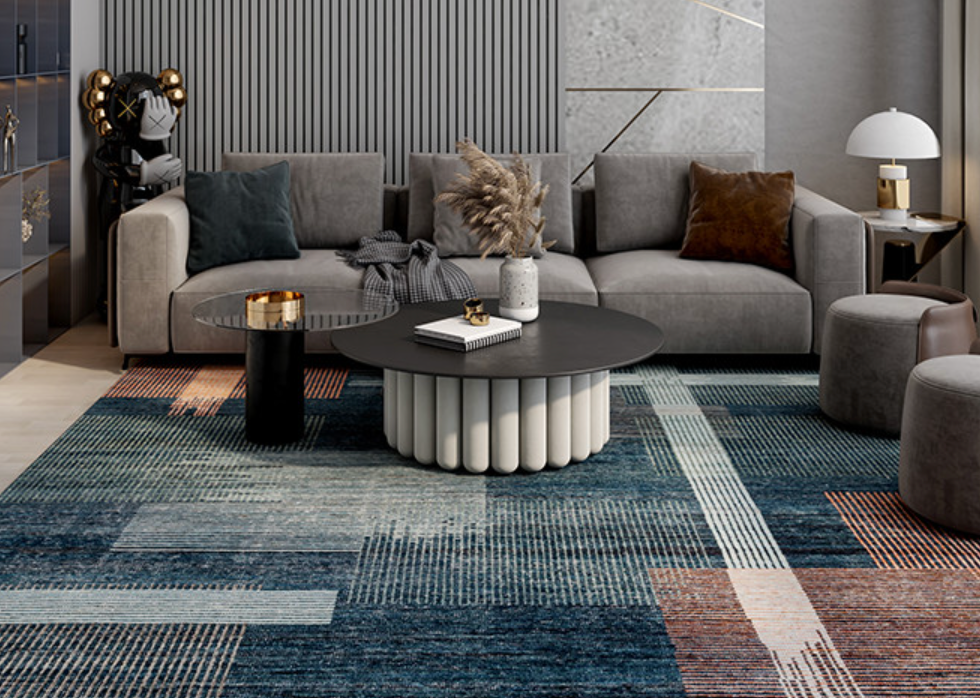
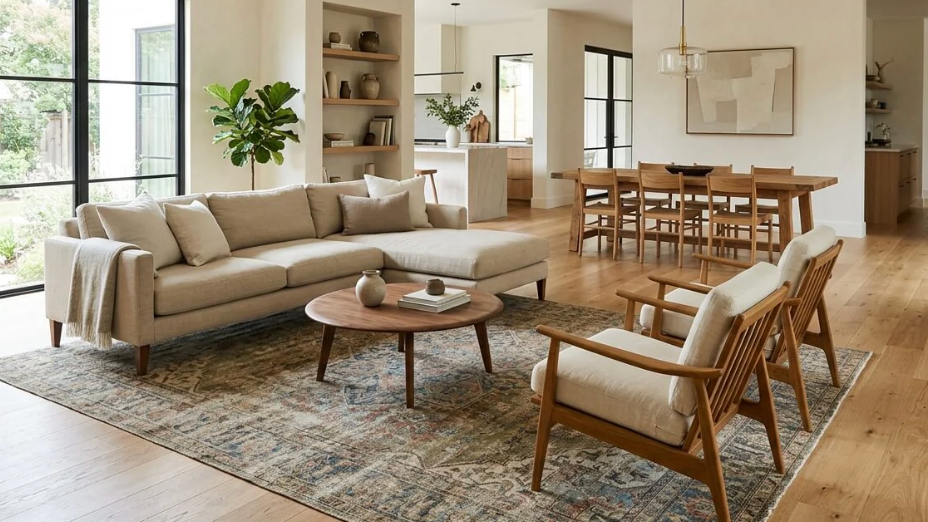
One of the most common mistakes in living rooms is choosing a rug that is too small. Ideally, the rug should be large enough to fit under the front legs of sofas and chairs. This creates a unified seating area.
If space allows, all furniture legs can sit on the rug for a more complete look. Smaller rugs should only be used if they clearly define a seating zone.
Placement Guidelines
-
Place the rug centered under the main seating arrangement
-
Keep equal spacing on all sides
-
Avoid floating rugs that do not connect to furniture
Following these steps ensures the rug feels intentional rather than decorative only.

Bedroom Rug Placement Rules
Rug Positioning Under the Bed
In bedrooms, rugs add warmth and comfort. The most effective placement is positioning a large rug under the bed, extending beyond the sides and foot. This allows you to step onto a soft surface when getting out of bed.
As a general rule:
-
Queen beds work well with 8x10 rugs
-
King beds pair better with 9x12 rugs
Alternative Options
If a full-size rug is not practical, use two runners on either side of the bed. This still provides comfort while maintaining balance.
Dining Room Rug Rules
Size Matters More Than Style
Dining room rugs must accommodate both the table and chairs, even when chairs are pulled out. A rug that is too small will cause chairs to catch on the edges, making the space uncomfortable.
Choose a rug that extends at least 24 inches beyond the table on all sides.
Material Considerations
Low-pile or flat-weave rugs work best in dining areas. They are easier to clean and allow chairs to move smoothly.
Rug Rules for Hallways and Entryways
Runners Create Direction
Hallways benefit from runners that guide movement through the space. The rug should leave a small border of visible flooring on each side to maintain proportion.
Durability Is Key
Entryway rugs should be durable and easy to clean. These areas experience the most foot traffic, so natural fibers or tightly woven materials perform better over time.
Choosing the Right Rug Shape
Match the Room Layout
- Rectangular rugs work best in most rooms
- Round rugs soften angular spaces and work well under round tables
- Square rugs suit compact seating areas
The rug shape should complement the room’s layout and furniture arrangement.
Color and Pattern Guidelines
Balance Is Essential
Neutral rugs provide flexibility and work well in rooms with bold furniture. Patterned rugs add character but should be balanced with simpler surroundings.
If your furniture and walls already feature strong colors, choose a subtle rug. If the room is neutral, a patterned rug can add interest without overwhelming the space.
Layering Rugs Correctly
Layering rugs adds texture and depth when done carefully. Start with a larger neutral base rug and layer a smaller patterned rug on top. This technique works well in living rooms and bedrooms.
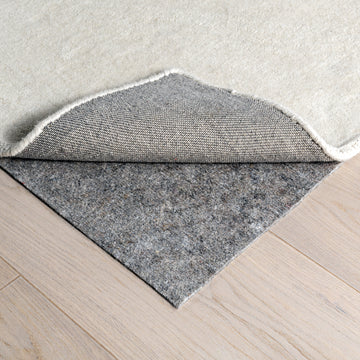
Ensure both rugs are flat and secure to avoid slipping.
Common Rug Mistakes to Avoid
- Choosing a rug that is too small
- Ignoring furniture placement
- Overusing bold patterns in small rooms
- Selecting the wrong material for high-traffic areas
Avoiding these mistakes ensures your rug enhances the room rather than distracts from it.
Final Thoughts
Rugs have the power to transform any space when chosen thoughtfully. Size, placement, shape, and material all play a role in achieving a balanced interior. By following the principles outlined in this Styling Series: Rug Rules For Any Room, you can create rooms that feel comfortable, practical, and visually complete.