

Rug Size Guide: 5×8 vs 8×10 vs 9×12 Prices Explained
Choosing the right rug involves more than selecting a pattern or color. Size affects how a rug fits within a room, how furniture is arranged, and how much the rug is likely to cost. Among the most commonly considered dimensions are 5×8, 8×10, and 9×12 feet.
This Rug Size Guide: 5×8 vs 8×10 vs 9×12 Prices Explained looks at how these three dimensions differ, where each size works well, and why prices tend to increase as rugs become larger. Understanding these factors can help you select a rug that suits both your room dimensions and budget.
Why Rug Size Matters
A rug helps define a specific area within a room. Choosing one that is too small can make furniture appear disconnected, while an oversized rug may reduce the amount of visible flooring and feel unsuitable for the available space.
The right dimensions depend on several factors, including:
-
Room measurements
-
Furniture size
-
Furniture placement
-
Amount of visible floor preferred
-
Purpose of the room
-
Available budget
Price also increases with size because larger rugs require more material and typically involve more production work.
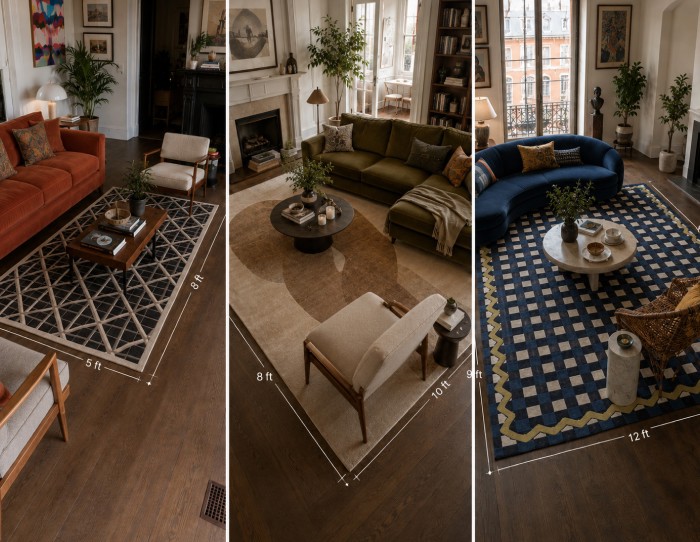
Understanding 5×8 Rugs
A 5×8 rug measures approximately 40 square feet, making it the smallest of the three sizes being compared.
It can be suitable for compact living spaces, bedrooms, home offices, entry areas, and seating arrangements with limited furniture.
Where Does a 5×8 Rug Work Best?
In a living room, a 5×8 rug may work when placed in front of a sofa with a coffee table positioned on top. Depending on the furniture dimensions, the front legs of smaller chairs may also sit on the rug.
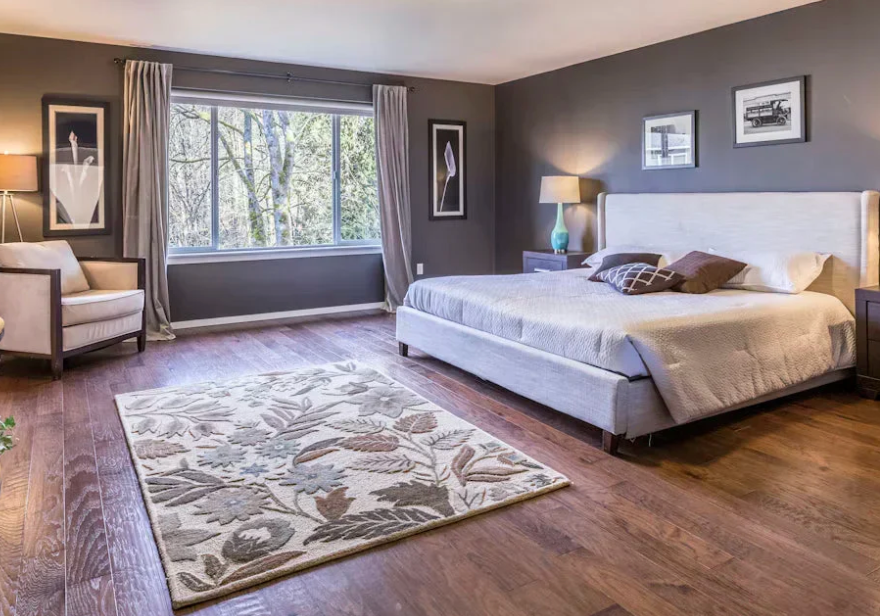
In bedrooms, this size can be positioned beside the bed or partially beneath a smaller bed.
A 5×8 rug may also suit a reading corner or home office where only a small area needs visual definition.
Why Are 5×8 Rugs Usually Less Expensive?
Because a 5×8 rug covers less floor area, it generally requires less wool, cotton, synthetic fibre, or other material than larger alternatives.
However, dimensions are only one factor in pricing. A handmade 5×8 wool rug may cost more than a machine-made 8×10 synthetic rug. Material quality and construction should therefore be considered alongside size.
Understanding 8×10 Rugs
An 8×10 rug covers approximately 80 square feet, which is twice the area of a 5×8 rug.
This makes it a practical option for many medium-sized living rooms, dining rooms, and bedrooms.
Where Does an 8×10 Rug Fit?
In a living room, an 8×10 rug may be large enough for the front legs of the sofa and surrounding chairs to sit comfortably on its surface. This can help connect the individual furniture pieces visually.
For a dining area, an 8×10 rug may accommodate a medium-sized dining table and chairs, depending on the table dimensions.
It can also work beneath a queen-size bed, extending beyond the sides and foot of the bed to provide additional floor coverage.
Understanding 9×12 Rugs
A 9×12 rug covers approximately 108 square feet and is generally better suited to larger rooms.
It provides considerably more coverage than a 5×8 or 8×10 rug and can accommodate larger furniture arrangements.
When Should You Consider a 9×12 Rug?
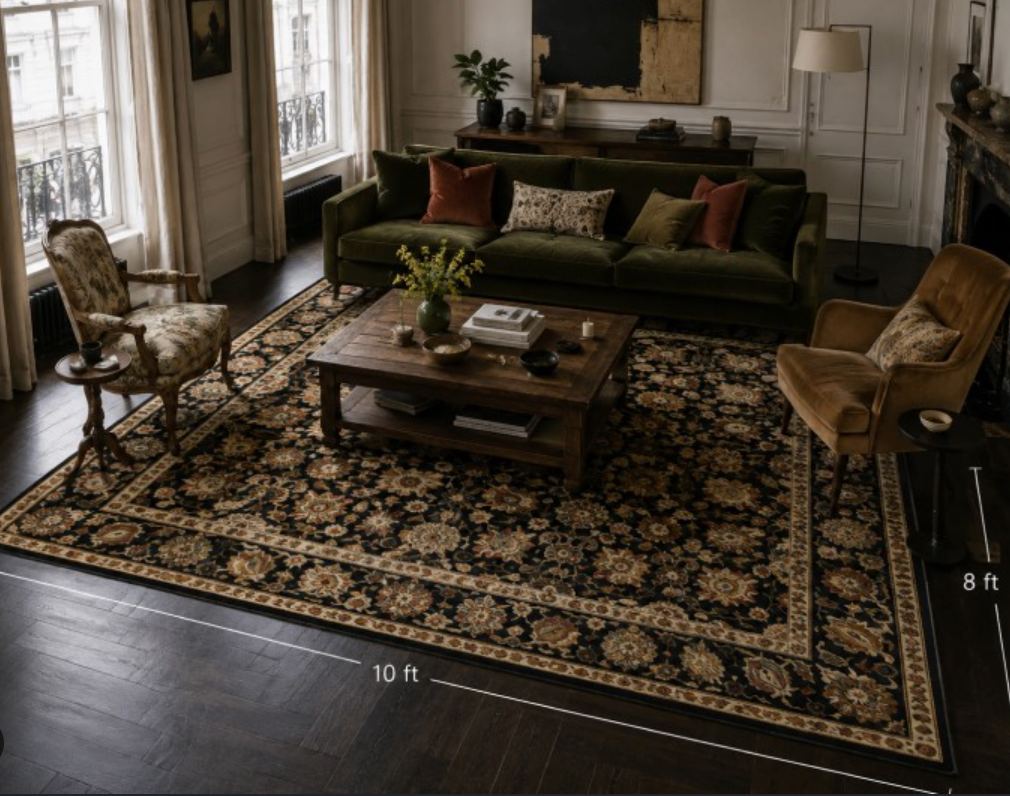
A 9×12 rug may work particularly well in a spacious living room where most or all major furniture pieces need to sit on the rug.
It can also suit larger dining rooms. Ideally, a dining rug should extend far enough beyond the table so chairs remain on the rug when they are pulled away from the table.
In a large bedroom, a 9×12 rug can sit beneath a king-size bed while extending comfortably around its sides.
5×8 vs 8×10 vs 9×12 Rug Prices
Rug pricing usually increases with dimensions because the amount of material required rises substantially.
A 5×8 rug covers 40 square feet, while an 8×10 covers 80 square feet and a 9×12 covers 108 square feet. This means moving from a 5×8 to a 9×12 is not a small increase in material usage.
However, rug prices do not rise according to size alone.
Several additional factors influence the final cost.
What Factors Affect Rug Prices?
Material
Material is one of the strongest influences on price.
Wool rugs often cost more than basic synthetic rugs because of the characteristics and sourcing of natural wool. Cotton, jute, viscose, silk, polyester, and blended materials each occupy different pricing levels.
Construction Method
Hand-knotted rugs generally involve considerably more production time than machine-made rugs. Hand-tufted, handwoven, flatweave, and machine-woven rugs also have different manufacturing requirements.
Two rugs of identical dimensions can therefore have significantly different prices.
Pattern and Design Complexity
Intricate patterns may require additional production work, particularly when the rug is handmade.
Simple patterns and solid-color rugs may be quicker to manufacture, although material and brand positioning can still affect their cost.
Pile and Material Density
A thicker rug or one with a high material density may require more fibre per square foot. Consequently, two 8×10 rugs made from the same general material can still have different prices depending on their construction.
Which Rug Size Should You Choose?
Start by measuring the room rather than choosing a rug based on appearance alone.
For compact spaces or small furniture arrangements, a 5×8 rug may provide enough coverage without overwhelming the room.
For medium-sized rooms, an 8×10 rug offers greater flexibility and can connect sofas, chairs, tables, or bedroom furniture more effectively.
For large rooms and substantial furniture arrangements, a 9×12 rug may provide better proportions and more complete floor coverage.
Measure Before Comparing Prices
Before comparing prices, mark the intended rug dimensions on the floor using removable painter's tape. This allows you to see how a 5×8, 8×10, or 9×12 rug would interact with the furniture.
Pay attention to door clearance, walking routes, furniture legs, and the amount of flooring visible around the rug.
This simple measurement process can prevent purchasing a rug that looks appropriately sized online but feels noticeably different once placed in the room.
Conclusion
The right rug size depends on room dimensions, furniture arrangement, intended coverage, and budget. A 5×8 rug works well for smaller areas, an 8×10 provides useful coverage for many medium-sized rooms, and a 9×12 is generally better suited to larger spaces.
When comparing 5×8, 8×10, and 9×12 rug prices, remember that dimensions are only part of the equation. Material, construction method, density, and design complexity can have an equally important effect on cost. Measuring the room first and comparing rugs with similar specifications will provide a more useful basis for choosing the appropriate size and price range.