

Carpet Flooring for Pet-Friendly Homes
Choosing suitable flooring becomes more complex when pets are part of the household. Dogs and cats can leave behind hair, dirt, stains and occasional scratches, so the floor must balance comfort with practical maintenance. It should also provide enough grip for pets to move safely around the home.
Many homeowners assume that carpet is unsuitable for households with animals. However, modern carpet materials, stain-resistant treatments and improved cleaning methods have made carpet flooring a practical option. When selected carefully, carpet can provide warmth, sound control and a comfortable surface for both pets and their owners.
For these reasons, Carpet Flooring; A Top Pick, for Pet Owners can be an appropriate description when the material, pile height and maintenance requirements are considered before installation.
Why Carpet Flooring Works Well in Homes with Pets
Carpet offers several functional benefits that hard flooring may not provide. Its soft texture creates a comfortable surface for animals that regularly sit, sleep or play on the floor.
A Comfortable Surface for Resting
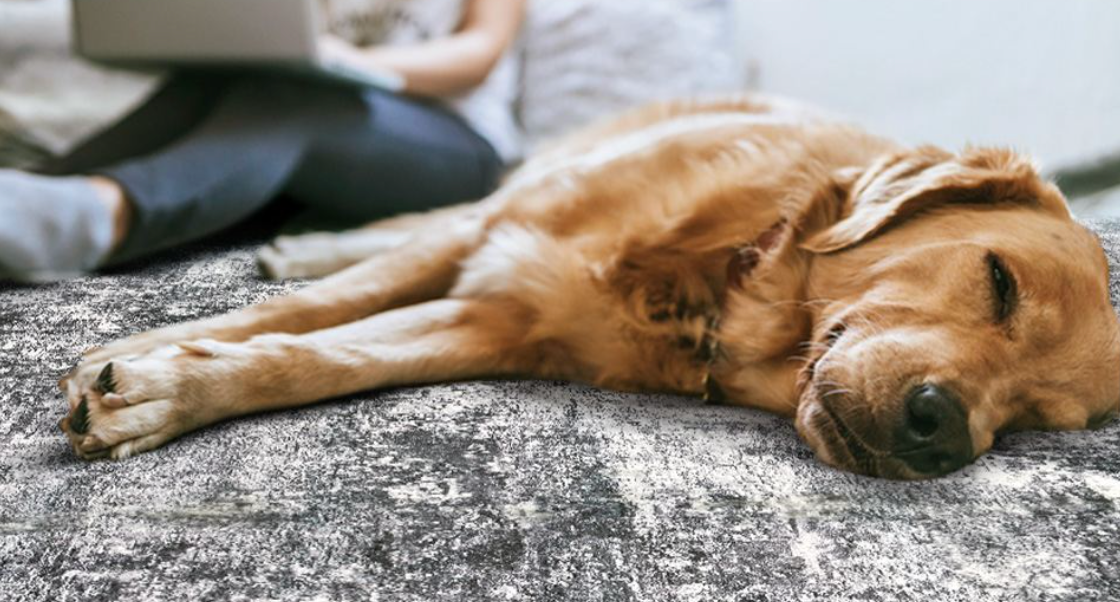
Pets often spend a large part of the day resting. Carpet provides cushioning that can be more comfortable than tile, stone or hardwood. This may be especially useful for older animals with reduced mobility or sensitive joints.
The added insulation also helps maintain a warmer floor surface during colder months. Pets can rest comfortably without depending entirely on beds, mats or blankets.
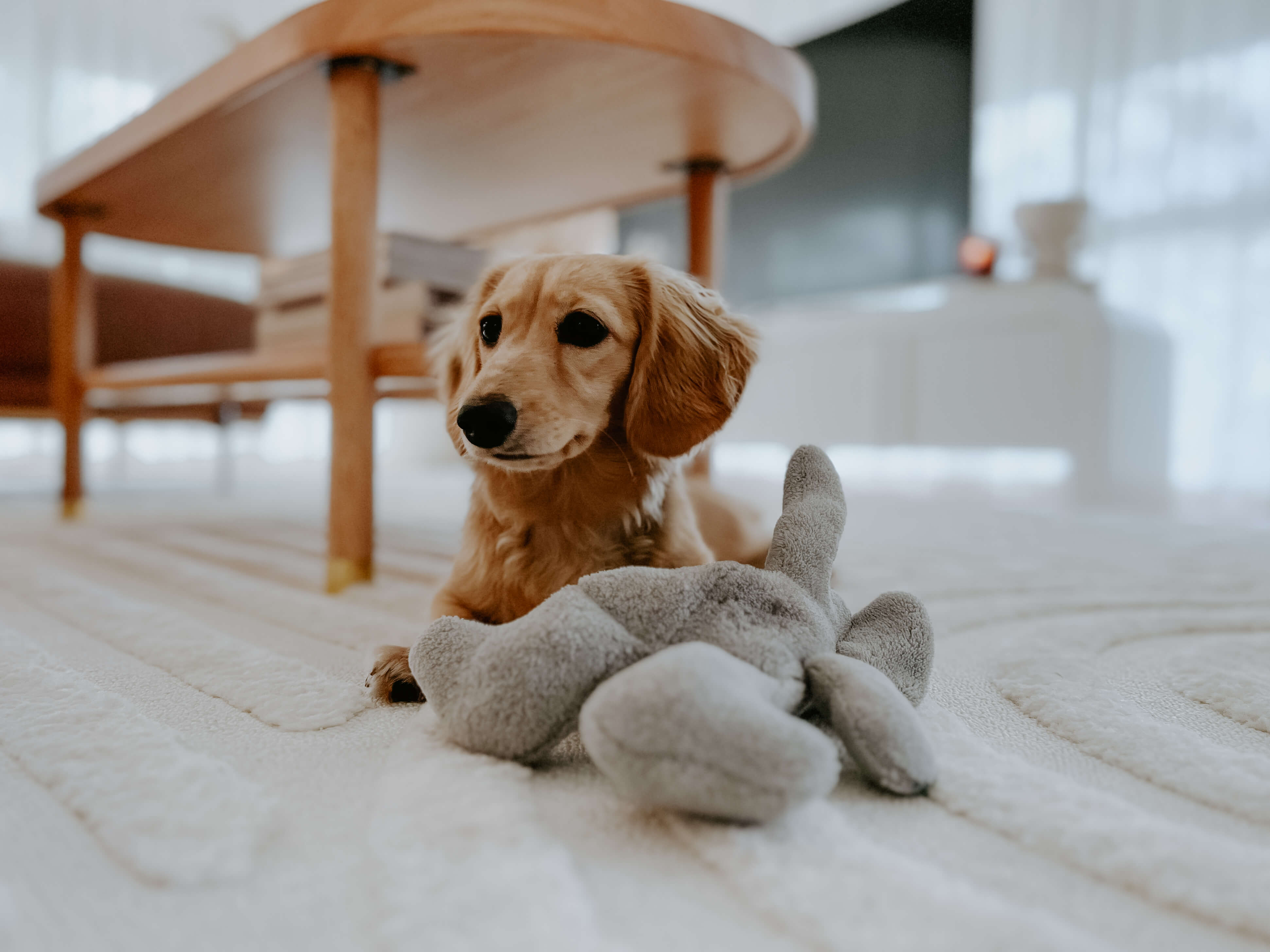
Better Grip and Movement
Smooth flooring can become slippery, particularly for energetic pets or animals with long claws. Carpet provides traction, helping pets walk, run and turn with greater control.
Improved grip may also benefit puppies, senior dogs and animals recovering from injuries. A secure surface can reduce slipping and support more stable movement around the home.
Reduced Household Noise
Carpet absorbs sound from footsteps, running pets and falling toys. This can make a noticeable difference in apartments, multi-storey homes and rooms where animals are highly active.
It also reduces echoes, creating a quieter indoor environment. Pet owners who work from home or have young children may find this sound-absorbing quality particularly useful.
Choosing the Right Carpet for Pet Owners
Not every carpet performs equally well in a pet-friendly home. The right choice should be durable, easy to clean and resistant to visible wear.
Select Durable Carpet Fibres
Synthetic fibres such as nylon and polyester are commonly chosen for homes with pets. Nylon is known for its durability and ability to recover from pressure, making it suitable for busy rooms and frequently used areas.
Polyester offers good stain resistance and is available in a wide range of colours. Solution-dyed fibres may also provide stronger resistance to fading and cleaning agents because the colour is added during fibre production.
Wool carpet is soft and naturally resilient, but it may require more careful maintenance. Pet owners considering wool should review cleaning instructions and stain-protection options before purchasing.
Choose a Low-Pile Construction
Low-pile carpet is generally easier to maintain than deep or shag-style carpet. Short fibres are less likely to trap large amounts of pet hair, food particles and outdoor dirt.
Loop-pile carpet can be durable, but exposed loops may catch on claws. Cut-pile or tightly constructed carpets are often more suitable because they provide a smoother surface with fewer points for snagging.
Look for Stain-Resistant Features
Accidents can happen even in well-trained households. A carpet with built-in stain resistance can reduce the risk of permanent marks and make routine cleaning easier.
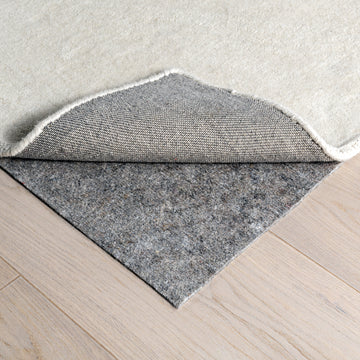
The carpet backing and underlay should also be considered. Moisture-resistant underlay can help prevent liquid from reaching the subfloor. Some products include antimicrobial treatments that help control odours and moisture-related problems.
Practical Colour and Pattern Choices
Carpet colour affects how visible pet hair, dirt and minor stains appear. Very light carpets may show muddy marks, while very dark shades can make pale pet hair more noticeable.
A mid-tone colour that is close to the pet’s coat can reduce the appearance of loose hair between cleaning sessions. Textured patterns and mixed-colour carpets can also disguise small marks more effectively than a single, flat colour.
The selected shade should still complement the room’s furniture, lighting and overall design. A practical carpet does not need to compromise the visual balance of the space.
How to Maintain Carpet Flooring with Pets
Regular maintenance is necessary to keep carpet clean and control odours. Vacuuming two or more times per week can remove hair, dust and surface debris before they settle deeper into the fibres.
Homes with heavily shedding pets may require more frequent vacuuming. A vacuum designed for pet hair can improve cleaning by using stronger suction and specialised brush attachments.
Accidents should be treated immediately. Blot the area with a clean absorbent cloth rather than rubbing it, as rubbing may spread the stain. Use a carpet cleaner that is suitable for the fibre and safe for animals. Strong chemicals should be avoided unless the manufacturer confirms that they are appropriate.
Professional deep cleaning may be scheduled periodically, depending on the number of pets, household activity and carpet type. Following the manufacturer’s care guidelines will also help protect warranties and extend the carpet’s usable life.
Additional Ways to Protect Carpet from Pet Damage
Small preventive measures can reduce wear and simplify cleaning. Place washable mats near entrances to collect dirt from paws before pets enter carpeted rooms. Food and water bowls can be positioned on waterproof trays to prevent spills from reaching the carpet.
Regular grooming helps reduce loose hair and dander. Keeping claws trimmed can also limit snagging and fibre damage.
Carpet tiles are another practical option for certain spaces. If one section becomes stained or damaged, the affected tile can be replaced without removing the entire floor.
Conclusion
Carpet flooring can be a suitable choice for pet owners when durability, pile height, stain resistance and colour are carefully evaluated. It provides warmth, cushioning, grip and noise reduction, making the home more comfortable for animals and people.
Consistent vacuuming, immediate stain treatment and occasional deep cleaning are essential for maintaining its appearance. With an appropriate carpet type and a practical care routine, pet owners can enjoy a soft, functional and visually pleasing floor for years.