


Importance of Choosing the Right Area Rug for Your Living Room
An area rug may seem like a simple decorative addition, but it can have a noticeable effect on the appearance, comfort, and layout of a living room. It helps connect furniture, defines the seating area, protects flooring, and introduces colour or texture without requiring permanent changes to the space.
Understanding the importance of choosing the right area rug for your living room can help you select a rug based on more than appearance alone. Size, material, placement, colour, pattern, and maintenance requirements all influence whether a rug works well in a particular space.
A suitable area rug should complement the room while also meeting the practical needs of the household. Considering these factors before making a selection can help create a living room that feels organised and comfortable.
Why Is an Area Rug Important in a Living Room?
Living rooms often contain several separate furniture pieces, such as sofas, armchairs, coffee tables, and side tables. An area rug provides a visual foundation that connects these elements.
This is particularly helpful in open-plan spaces where there are no walls separating the living area from a dining room or kitchen. A rug can establish a clear boundary without physically dividing the space.
Area rugs can also make hard flooring more comfortable underfoot. They may reduce the sound of footsteps and furniture movement, which can be useful in rooms with wood, tile, laminate, or stone floors.
Choose the Right Rug Size
Size is one of the most important considerations when selecting an area rug. A rug that is too small may appear disconnected from the furniture, while an oversized rug can cover more flooring than intended.
Measure the room and furniture arrangement before deciding on dimensions. Consider the rug in relation to the seating area rather than choosing solely according to the overall dimensions of the room.
Consider Furniture Placement
In many living rooms, the front legs of the sofa and chairs can rest on the rug while the back legs remain on the floor. This arrangement visually connects the seating without requiring an especially large rug.
In spacious living rooms, placing all major furniture legs on the rug can create a clearly defined seating zone. Whichever approach you choose, maintaining consistent placement around the rug generally produces a more balanced appearance.

Select a Material Based on Daily Use
The material of an area rug influences its texture, durability, maintenance, and appearance.
Wool is often used in living rooms because it provides a comfortable surface and works with many interior styles. Cotton rugs can be lighter and easier to handle, while synthetic materials may provide practical options for households where frequent cleaning is necessary.
Natural fibre rugs, including jute and sisal, can introduce visible texture but may feel firmer underfoot.
Think About Foot Traffic
Consider how frequently the living room is used. A formal sitting room that receives occasional use has different requirements from a family living room used throughout the day.
For high-traffic areas, look for materials and construction methods suited to regular use. Households with children or pets may also want to consider how easily spills, hair, and everyday marks can be cleaned.
Coordinate the Rug Colour With the Room
An area rug does not need to match every colour in the living room. Instead, it should have a visual relationship with the furniture, flooring, curtains, and walls.
A neutral rug can work well when the room already contains several colours or patterns. Alternatively, a rug with stronger colours can add contrast when the surrounding furniture and walls are relatively understated.
Consider Existing Furniture First
If the main furniture pieces are already in place, use them as a reference when choosing rug colours.
For example, a patterned rug might repeat a shade found in the sofa, cushions, artwork, or curtains. This subtle repetition can connect different parts of the room without making every element look identical.
Decide Between Patterned and Plain Rugs
Patterns can influence how visually active a living room appears.
A patterned rug may work well with plain sofas and simple curtains. It can add detail to the floor while keeping larger furniture pieces understated.
If the room already includes patterned upholstery, decorative wallpaper, or detailed curtains, a plain or lightly textured rug may provide better balance.
Pattern scale also matters. Large patterns tend to have a stronger visual presence, while smaller patterns can create more detailed texture when viewed across the room.
Use an Area Rug to Define the Seating Space
Furniture placement and rug placement should be planned together.
Rather than placing a small rug independently in the centre of the room, consider how it relates to the sofa, chairs, and coffee table. Ideally, the rug should visually frame the conversation or seating area.
This approach is especially useful in larger rooms where multiple functional zones exist.
Maintain Appropriate Spacing
Try to leave a reasonably consistent amount of visible flooring around the edges of the rug. Uneven gaps can sometimes make the rug appear incorrectly positioned.
Before purchasing, you can mark the proposed rug dimensions on the floor with removable tape. This provides a clearer idea of how much space the rug will occupy.
Consider Comfort and Safety
Comfort is another reason to choose an area rug carefully. A suitable rug provides a softer surface underfoot and can make seating areas more comfortable, particularly during cooler months.
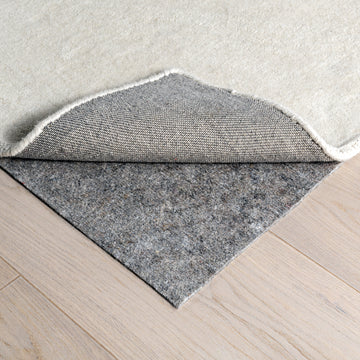
Safety should also be considered. Rugs placed on smooth flooring may move or curl at the edges. A suitable rug pad can help keep the rug in position while also adding cushioning and reducing friction against the floor.
Think About Cleaning and Maintenance
Different rug materials require different levels of care.
Before choosing a rug, review its cleaning instructions and consider whether they suit your household. Some materials can tolerate routine vacuuming and spot cleaning, while others may require specialist cleaning.
Regular maintenance can help prevent dirt from becoming embedded in the fibres. Rotating the rug periodically may also help distribute wear more evenly, particularly in frequently used areas.
Final Thoughts
The importance of choosing the right area rug for your living room extends beyond selecting a colour or pattern that looks appealing. The right rug should fit the room dimensions, support the furniture arrangement, suit everyday foot traffic, and have manageable cleaning requirements.
By considering size, material, colour, pattern, comfort, placement, and maintenance together, you can select an area rug that works naturally with the rest of the living room. Careful planning helps ensure that the rug serves both a practical and decorative purpose while supporting a balanced, comfortable space.


