

How To Style Your Home Interior With Trendy Rugs
Rugs play a crucial role in home interiors. They do more than cover floors; they define spaces, add comfort, and create visual balance. Whether your home has a modern, traditional, or minimal design, choosing the right rug can improve the overall appearance of a room. Understanding How To Style Your Home Interior With Trendy Rugs helps you make informed choices that blend function with aesthetics. explains how to use rugs effectively in different rooms while keeping your interior cohesive and well-planned.
Why Rugs Matter in Home Interior Styling
Rugs help anchor furniture and bring structure to open or large spaces. Without a rug, a room may feel incomplete or disconnected. Rugs also offer practical benefits such as warmth, noise reduction, and floor protection.
A well-chosen rug enhances color coordination, adds texture, and makes a space feel inviting. When styled correctly, rugs can act as a subtle focal point without overpowering the room.
Choosing the Right Rug for Each Room
Living Room Rug Styling
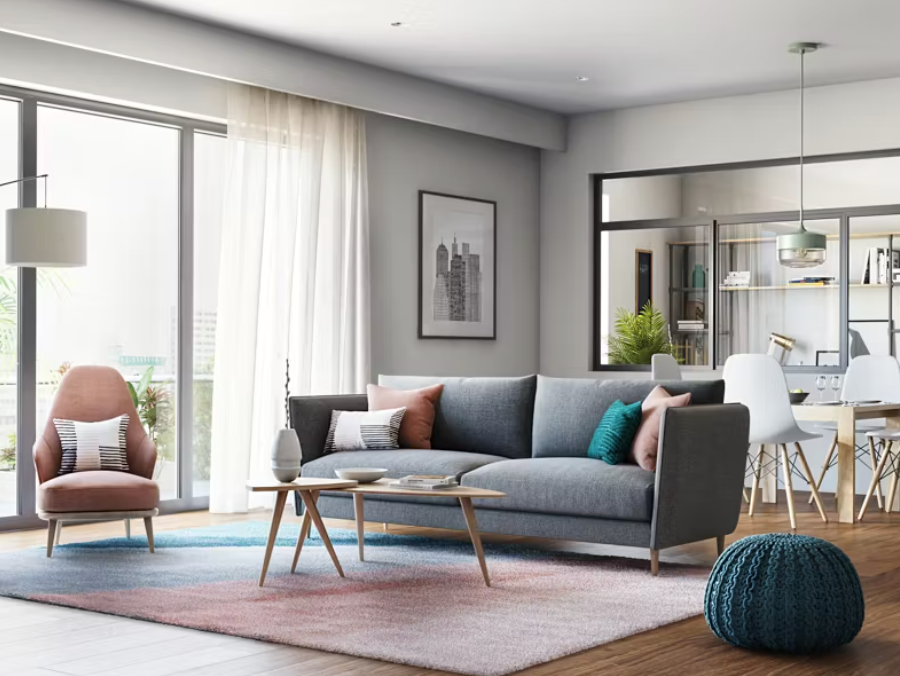
The living room is often the first place people notice. A rug here should complement the furniture while defining the seating area.
Key considerations:
-
The rug should be large enough to fit under the front legs of sofas and chairs.
-
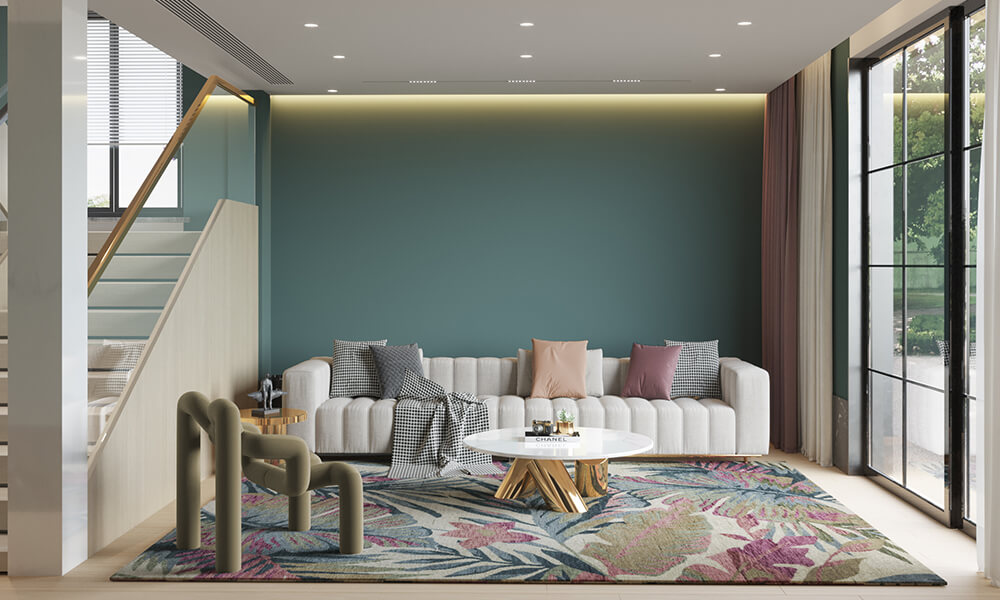
Neutral rugs work well for rooms with bold furniture.
-
Patterned rugs suit minimalist living spaces by adding depth.
Placing the rug centrally helps create a balanced and organized look.
Bedroom Rug Placement Tips
Rugs in bedrooms add comfort and warmth, especially in the morning. They soften the space and make it feel more relaxed.
Recommended placements:
-
Place a large rug under the bed, extending on both sides.
-
Use runners along the sides of the bed for smaller rooms.
-
Choose soft textures such as wool or cotton for comfort.
Light-colored rugs often suit bedrooms as they enhance brightness and calmness.
Dining Room Rug Styling
Dining room rugs require careful selection due to furniture movement and spills.
Important factors:
-
The rug should extend beyond the dining table to accommodate chairs.
-
Flat-weave or low-pile rugs are easier to clean.
-
Avoid heavy textures that interfere with chair movement.
A rug in the dining area adds structure and separates the space visually, especially in open floor plans.
Selecting the Right Rug Size
Choosing the correct size is essential when learning how to style your home interior with trendy rugs. A rug that is too small can make the room feel awkward, while an oversized rug may overwhelm the space.
Common Rug Size Guidelines
-
Living Room: Large rugs that frame furniture work best.
-
Bedroom: Rugs should extend at least 18–24 inches beyond the bed.
-
Hallways: Use runners that fit proportionally without touching walls.
Always measure the room before purchasing to ensure proper fit.
Color and Pattern Selection
Matching Rugs With Interior Colors
Rugs should complement your existing color palette rather than compete with it. If your furniture and walls are neutral, a patterned rug adds interest. If the room already has strong colors, a subtle rug helps maintain balance.
Using Patterns Effectively
Patterns can bring character to a space, but moderation is key.
-
Use geometric patterns in modern interiors.
-
Floral or traditional designs suit classic interiors.
-
Keep patterns minimal in small rooms to avoid visual clutter.
Material Matters: Choosing the Right Fabric
Rug material affects durability, comfort, and maintenance.
Popular Rug Materials
-
Wool: Durable, warm, and suitable for living rooms and bedrooms.
-
Cotton: Lightweight and easy to clean, ideal for casual spaces.
-
Synthetic fibers: Budget-friendly and suitable for high-traffic areas.
-
Jute or natural fibers: Best for adding texture in low-traffic areas.
Select materials based on room usage and maintenance preferences.

Layering Rugs for Added Depth
Layering is a practical technique to add dimension without replacing existing rugs. A neutral base rug paired with a smaller patterned rug creates visual contrast.
Best practices for layering:
-
Keep the bottom rug simple and larger.
-
Place the top rug slightly off-center.
-
Use layering to highlight seating or reading corners.
This approach works well in living rooms and bedrooms.
Maintaining Rugs for Long-Term Use
Regular maintenance helps preserve the appearance of rugs.
Care tips:
-
Vacuum weekly to prevent dust buildup.
-
Rotate rugs every few months to ensure even wear.
-
Clean spills immediately to avoid stains.
-
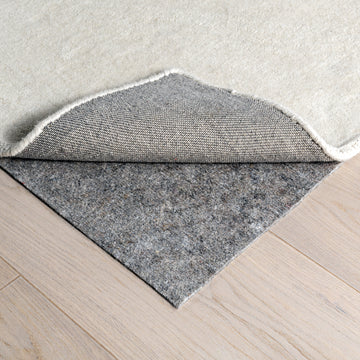
Use rug pads to prevent slipping and protect flooring.
Proper care ensures your rugs remain functional and visually appealing.
Final Thoughts
Understanding How To Style Your Home Interior With Trendy Rugs allows you to enhance both comfort and design without major changes. From selecting the right size and material to thoughtful placement and maintenance, rugs can transform a room when chosen carefully.
By applying these practical styling principles, you can create well-defined spaces that feel balanced, welcoming, and suited to your home’s overall design.


