

Simple Floral Carpet Designs for Modern & Traditional Homes
Carpets play an important role in defining the character of a room. Among the many design options available today, floral patterns continue to remain relevant across interior styles. From minimal urban apartments to spacious heritage homes, simple floral carpet designs for modern & traditional homes offer versatility, warmth, and visual balance.
Floral carpets are no longer limited to heavy, ornate patterns. Contemporary interpretations focus on clean motifs, subtle color combinations, and structured layouts that suit both modern and classic interiors. This guide explains how to choose, style, and maintain floral carpets for different home settings.
Why Floral Carpet Designs Remain Timeless
Floral patterns have been used in textiles for centuries. Their continued popularity comes from their adaptability.
Works Across Interior Styles
In modern homes, floral carpets are designed with muted tones and simplified patterns. In traditional settings, they can include detailed motifs inspired by classic weaving techniques. The flexibility of floral themes allows them to complement both minimal furniture and carved wooden décor.
Adds Softness to Structured Spaces
Modern interiors often include straight lines and neutral color palettes. A floral carpet introduces gentle curves and organic shapes, preventing the room from appearing rigid or overly formal.
Enhances Visual Interest Without Overpowering
Simple floral patterns provide texture and character without dominating the space. This makes them suitable for living rooms, bedrooms, study areas, and even formal sitting rooms.
Choosing the Right Floral Carpet for Modern Homes
Modern interiors focus on simplicity and functionality. When selecting Simple Floral Carpet Designs for Modern & Traditional Homes in a contemporary setting, consider the following aspects.
Opt for Minimal Motifs
Choose carpets with subtle floral outlines instead of dense patterns. Designs featuring spaced-out blooms or abstract floral interpretations work well in apartments and compact spaces.
Neutral and Earthy Shades
Colors such as beige, grey, ivory, soft blue, or muted green align well with modern interiors. These tones maintain balance while allowing the floral elements to stand out gently.
Placement Strategy
In modern homes:
-
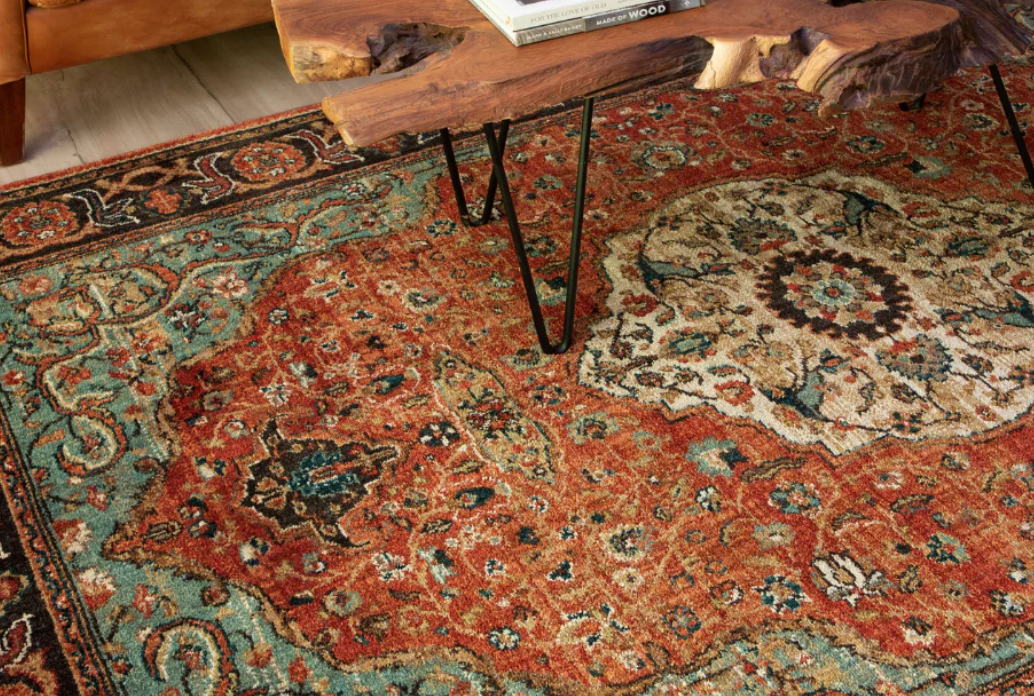
Use floral carpets under coffee tables to anchor seating areas.
-
Place them in bedrooms for warmth and texture.
-
Avoid overcrowding the room with multiple patterned elements.
Keeping walls and furniture simple ensures the carpet remains a focal point without overwhelming the design.
Styling Floral Carpets in Traditional Homes
Traditional interiors often feature carved wood, classic lighting fixtures, and decorative elements. Floral carpets can enhance these details when chosen thoughtfully.
Detailed Patterns for Larger Rooms
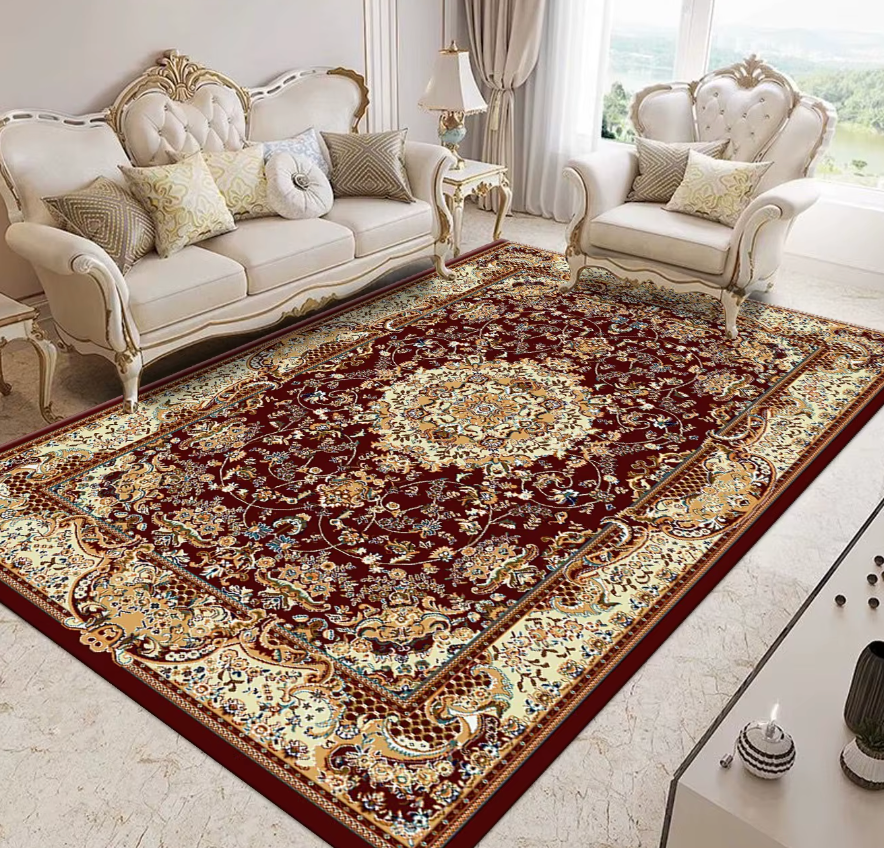
Spacious living rooms and formal areas can accommodate more intricate floral designs. Symmetrical arrangements and bordered patterns align well with traditional aesthetics.
Rich Color Combinations
Deep reds, maroons, navy blues, and forest greens can complement wooden furniture and antique finishes. These tones create a cohesive and refined look.
Layering Techniques
In heritage-style homes, carpets may be layered over wooden or marble flooring. A floral design can define conversation areas or prayer rooms while adding warmth.
Material Considerations for Long-Term Use
The material of a carpet influences both comfort and durability.
Wool Carpets
Wool is known for its durability and softness. It is suitable for high-traffic areas such as living rooms.
Cotton Carpets
Cotton options are lightweight and easy to maintain. They work well in bedrooms and casual spaces.
Synthetic Fibers
Polypropylene and polyester carpets are cost-effective and stain-resistant. They are practical choices for homes with children or pets.
Selecting the right material ensures that Simple Floral Carpet Designs for Modern & Traditional Homes remain attractive for years.
How to Match Floral Carpets with Furniture
Coordination is key to achieving a balanced look.
Match Undertones, Not Exact Colors
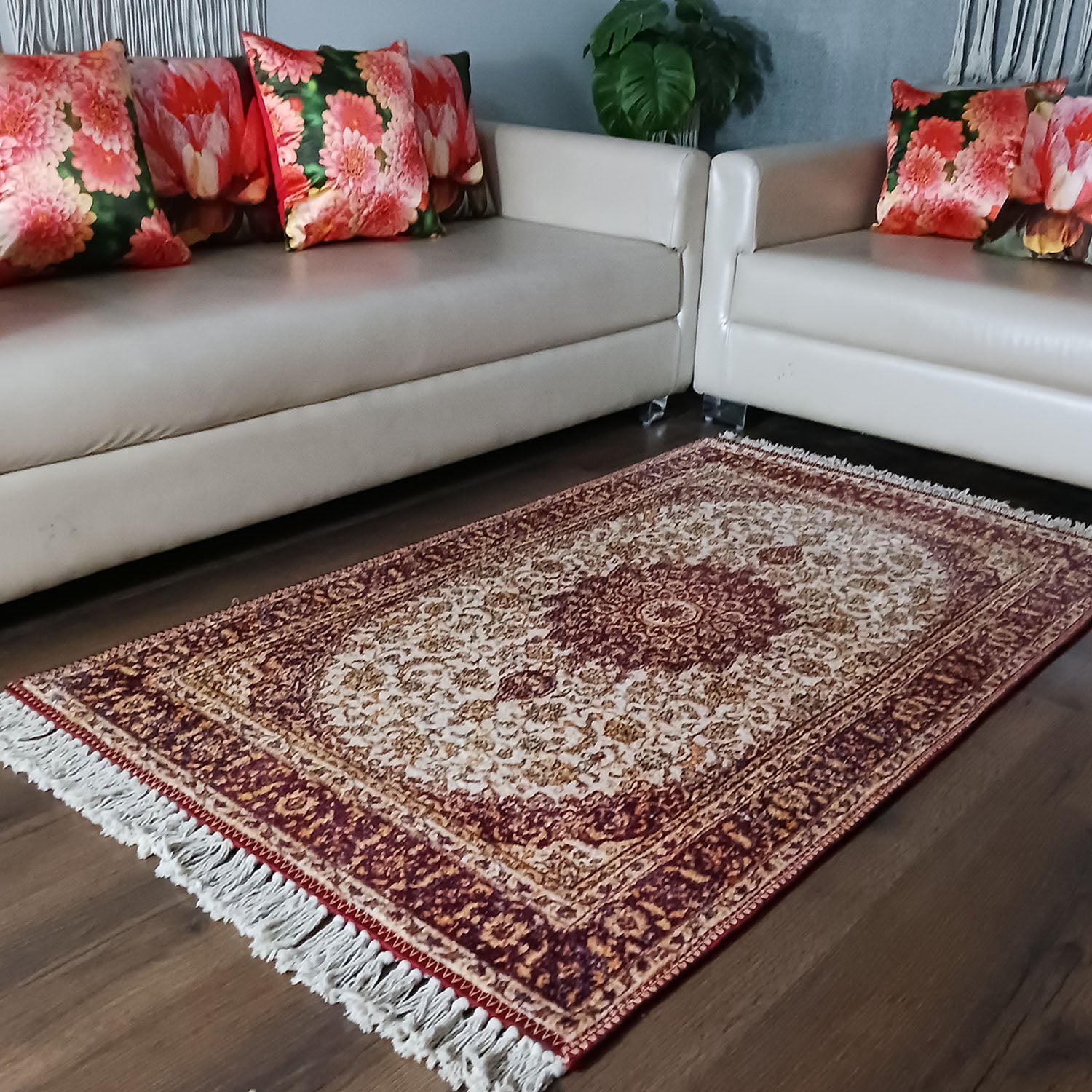
Instead of choosing a carpet that exactly matches your sofa or curtains, focus on similar undertones. For example, warm beige furniture pairs well with carpets featuring cream or muted brown floral accents.
Maintain Pattern Balance
If the carpet has a visible floral pattern, keep upholstery plain. On the other hand, if furniture includes subtle textures, choose a simpler carpet design.
Consider Room Size
Large floral prints suit spacious rooms. Smaller rooms benefit from compact or repeated patterns that create visual continuity.
Maintenance Tips for Floral Carpets
Regular care preserves both appearance and hygiene.
Vacuum Frequently
Vacuum at least twice a week to prevent dust from settling into the fibers. Pay attention to edges and corners.
Spot Cleaning
Clean spills immediately using a mild cleaning solution. Avoid harsh chemicals that may fade colors.
Professional Cleaning
Deep cleaning once or twice a year maintains fiber quality and keeps patterns clear.
Proper maintenance ensures that floral designs remain vibrant and structurally intact.
Where Floral Carpets Work Best in a Home
Floral carpets can enhance multiple areas:
-
Living Room: Creates a welcoming focal point.
-
Bedroom: Adds warmth and comfort underfoot.
-
Dining Area: Works well if chosen in stain-resistant material.
-
Hallways: Narrow floral runners add character without clutter.
Strategic placement improves both aesthetics and functionality.
Conclusion
Floral carpets continue to hold relevance in interior design due to their adaptability and aesthetic appeal. Whether used in a contemporary apartment or a traditionally styled home, Simple Floral Carpet Designs for Modern & Traditional Homes provide balance, texture, and warmth.
By selecting the right material, color palette, and pattern scale, homeowners can create cohesive spaces that feel inviting and refined. With proper care and thoughtful placement, floral carpets become long-term design elements that enhance the overall character of a home.