

What Rug Material Lasts Longest? A Complete Guide
Choosing the right rug material is important if you want a rug that can handle daily use without wearing out quickly. Rugs are exposed to foot traffic, furniture pressure, dust, spills, sunlight, and repeated cleaning, so the material has a direct impact on how long they remain usable and attractive.
If you are asking, 'What Rug Material Lasts Longest?' A Complete Guide can help you compare the most common rug fibres based on durability, maintenance, comfort, and suitability for different rooms.
Wool is generally considered one of the longest-lasting natural rug materials, while nylon is among the most durable synthetic options. However, the best material depends on where the rug will be placed and how much traffic it receives.
Why Rug Material Matters for Durability
The lifespan of a rug depends on more than its appearance. Fibre strength, construction quality, pile density, cleaning requirements, and resistance to stains all influence how well a rug performs over time.
A durable rug material should resist crushing, shedding, fading, and fibre damage. Rugs used in hallways, living rooms, entryways, and dining areas usually need stronger materials than rugs placed in bedrooms or low-traffic spaces.
Proper maintenance also matters. Even a strong rug can deteriorate quickly if it is exposed to moisture, harsh cleaning products, or constant direct sunlight.

Wool Rugs: One of the Longest-Lasting Natural Options
Wool is widely valued for its durability and resilience. Its fibres naturally spring back after being compressed, helping the rug retain its shape even in frequently used areas.
High-quality wool rugs can remain in good condition for many years when properly maintained.
Advantages of Wool Rugs
Wool fibres are strong, soft, and naturally resistant to everyday dirt. They also have good insulating properties, making them comfortable underfoot during both warm and cool seasons.
Wool rugs generally handle moderate to heavy foot traffic well, which makes them suitable for living rooms, bedrooms, dining areas, and other frequently used indoor spaces.
Things to Consider
Wool rugs usually cost more than synthetic alternatives. They may also shed when new and require careful cleaning because excessive moisture can damage natural fibres.
Despite the higher initial cost, their long lifespan can make them a practical choice for homeowners looking for durability.
Nylon Rugs: A Durable Synthetic Choice
Nylon is one of the strongest synthetic fibres used in rugs and carpets. It performs particularly well in areas that experience regular foot traffic.
Nylon fibres have strong resistance to abrasion and crushing, helping rugs maintain their structure for longer periods.
Where Nylon Rugs Work Best
Nylon rugs are suitable for busy living rooms, hallways, family rooms, children's rooms, and other high-use areas. They are also easier to clean than many natural-fibre rugs.
Some nylon rugs are treated for additional stain resistance, which can make them suitable for homes with children or pets.
Polypropylene Rugs: Practical and Moisture-Resistant
Polypropylene, also known as olefin, is another commonly used synthetic rug material. It is known for its resistance to moisture, staining, and fading.
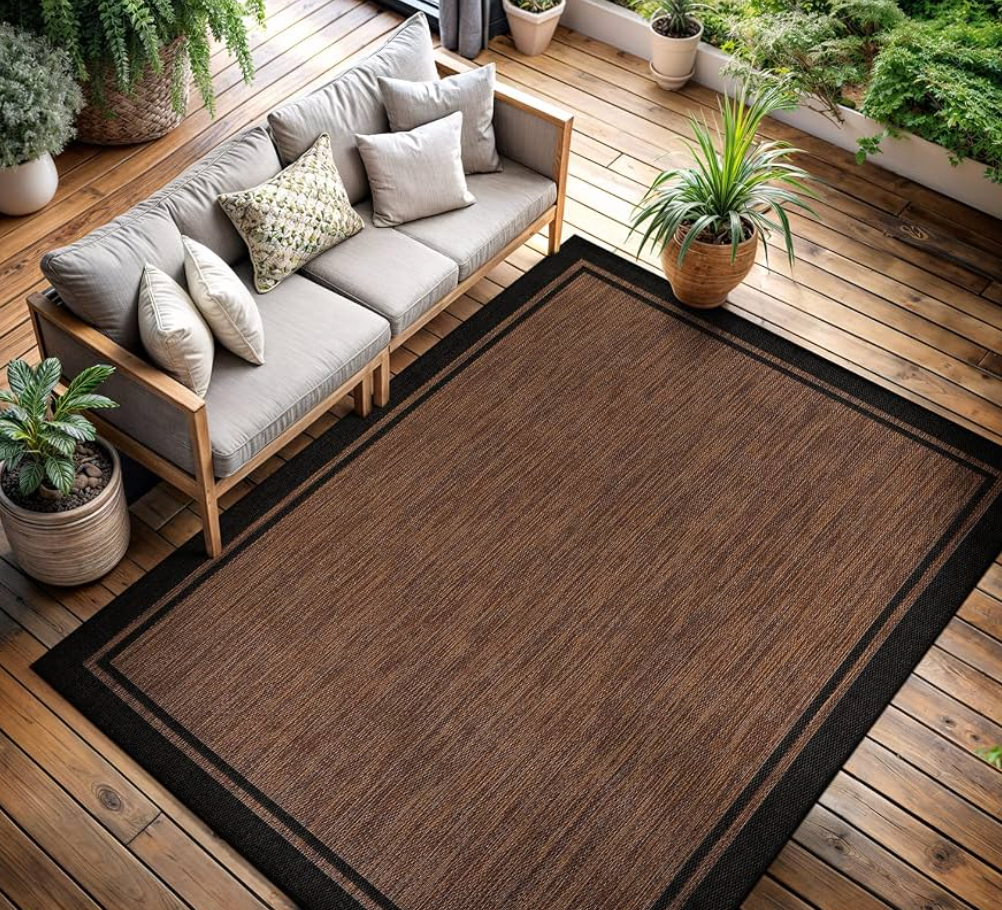
These characteristics make polypropylene rugs useful for both indoor and some outdoor applications.
How Durable Is Polypropylene?
Polypropylene handles spills and moisture well, but its fibres are generally less resilient than wool or nylon. Heavy furniture and frequent foot traffic may flatten the pile over time.
For this reason, polypropylene is often better suited to moderate-traffic areas, kitchens, patios, playrooms, or locations where easy cleaning is more important than maximum longevity.
Polyester Rugs: Soft but Less Resilient
Polyester rugs are popular because they are soft, colourful, and generally affordable. The fibre also provides good resistance to many common stains.
However, polyester tends to compress more easily than nylon and wool. In high-traffic areas, the fibres may begin to look flattened or worn sooner.
Polyester rugs are therefore often more appropriate for bedrooms, guest rooms, and other spaces with lighter foot traffic.
Cotton Rugs: Comfortable but Better for Light Use
Cotton rugs are lightweight, breathable, and relatively easy to maintain. Many smaller cotton rugs can even be machine washed depending on the manufacturer's instructions.
However, cotton is not usually the longest-lasting option for busy areas. Repeated washing and heavy foot traffic can cause fading, thinning, and fibre wear.
Cotton works best for kitchens, bedrooms, bathrooms, and casual spaces where easy maintenance is the main priority.
Jute and Sisal Rugs: Strong Natural Fibres
Jute and sisal are plant-based fibres commonly used in natural-style rugs. Although they may look similar, their durability differs.
Sisal Rugs
Sisal is particularly strong and performs well in high-traffic areas. Its firm fibres resist wear and can make it a good choice for hallways, entryways, and living spaces.
However, sisal does not respond well to moisture and may stain permanently if liquids are absorbed.
Jute Rugs
Jute is softer than sisal but is also less durable. It works better in bedrooms, sitting rooms, and other low-traffic areas.
Both materials are sensitive to moisture, so they should generally be kept away from bathrooms, kitchens, and damp areas.
Which Rug Material Lasts the Longest?
For overall durability, wool and nylon are usually the strongest choices.
A well-made wool rug can last for many years because its fibres naturally resist compression and wear. Nylon offers similar durability while providing easier maintenance and greater resistance to frequent cleaning.
Sisal is another strong option for dry, high-traffic areas, although its sensitivity to moisture limits where it can be used.
Polypropylene, polyester, cotton, and jute may still provide good value, but they generally do not match wool or nylon when long-term resilience is the main consideration.
How to Choose a Long-Lasting Rug Material
The most durable rug is not necessarily the same for every room. Consider how the rug will be used before choosing a material.
For high-traffic living rooms and hallways, wool or nylon may provide the best balance of durability and appearance. For outdoor or moisture-prone areas, polypropylene may be more practical. Bedrooms and low-traffic rooms offer greater flexibility, allowing softer materials such as polyester, cotton, or jute.
Also consider pile height. Lower-pile rugs usually withstand frequent foot traffic better because their fibres are less likely to flatten or become tangled.
Tips for Extending the Life of Your Rug
Even durable materials benefit from proper care. Vacuum rugs regularly to prevent dirt from becoming embedded within the fibres. Rotate the rug periodically so that foot traffic and sunlight exposure are distributed more evenly.
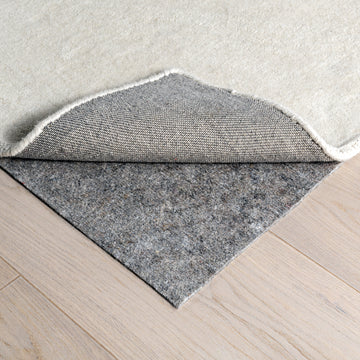
Use a suitable rug pad underneath the rug. A pad reduces friction between the rug and floor while also helping absorb pressure from footsteps and furniture.
Spills should be cleaned promptly using methods recommended for the specific rug material. Avoid aggressive scrubbing, as it may damage fibres or spread stains.
Conclusion
When comparing rug materials for durability, wool and nylon usually offer the longest-lasting performance. Wool provides natural resilience, comfort, and long-term strength, while nylon combines durability with practical cleaning and stain resistance.
Sisal can also perform well in dry, high-traffic areas, while polypropylene is useful where moisture resistance and easy maintenance matter more. Polyester, cotton, and jute are suitable for lighter-use spaces but may show wear sooner.
Ultimately, the answer to What Rug Material Lasts Longest? A Complete Guide depends on traffic levels, room conditions, maintenance requirements, and budget. Selecting a rug material that matches how the space is used will help the rug maintain its appearance and function for a longer period.