

7 Carpet Deodoriser Hacks to Get the Smell Out of Your Rug!
Carpets and rugs can make a room feel warmer and more comfortable, but they can also absorb unpleasant smells. Pet accidents, food spills, moisture, smoke, dust and everyday foot traffic may leave odours trapped deep within the fibres.
Spraying fragrance over the carpet may hide the smell for a short time, but it does not remove the source. A better approach is to identify what caused the odour, clean the affected area and use a suitable deodorising method.
The following 7 Carpet Deodorizer Hacks to Get the Smell Out of Your Rug! can help refresh carpets using practical household techniques. Always check the manufacturer’s cleaning instructions and test any solution on a small, hidden area before treating the entire rug.
Why Do Carpets and Rugs Hold Odours?
Carpet fibres, padding and backing materials can absorb moisture and organic matter. When spills or dirt are not cleaned properly, bacteria and mould may develop and create persistent smells.
Common causes of carpet odour include:
-
Pet urine or accidents
-
Food and drink spills
-
Dampness and poor ventilation
-
Cigarette smoke
-
Shoes and heavy foot traffic
-
Dust, hair and trapped debris
-
Improper drying after cleaning
Removing the source is more effective than covering the smell with perfume or air freshener.

1. Use Baking Soda as a Dry Carpet Deodorizer
Baking soda is one of the simplest options for absorbing mild carpet odours.
How to Apply Baking Soda
Vacuum the rug thoroughly to remove loose dust and debris. Sprinkle a light, even layer of baking soda across the affected area. Leave it for several hours or overnight when possible, then vacuum slowly and carefully.
For stronger smells, repeat the process rather than applying an excessively thick layer. Make sure the carpet is completely dry before using baking soda, as moisture can cause it to clump and become difficult to remove.
2. Improve Airflow and Dry the Rug Properly
A musty smell often indicates trapped moisture. Before adding any deodorizer, make sure the rug is fully dry.
Open windows, switch on ceiling fans or use a portable fan to improve air circulation. A dehumidifier can also help in rooms with high humidity. If the rug is movable, place it in a well-ventilated shaded area.
Avoid leaving a damp rug on wooden or laminate flooring, as moisture may damage the surface underneath.
3. Try a Diluted White Vinegar Solution
White vinegar can help neutralise certain food, pet and musty odours. However, it should be diluted before use.
Simple Vinegar Cleaning Mixture
Combine equal amounts of white vinegar and water in a spray bottle. Lightly mist the affected area without soaking the carpet. Blot with a clean white cloth and allow the area to air-dry completely.
The vinegar smell may be noticeable at first, but it usually fades as the carpet dries. Do not mix vinegar with bleach or other strong cleaning chemicals.
4. Blot Spills Instead of Scrubbing Them
The way you clean a spill can affect how much odour remains in the carpet. Scrubbing may push the liquid deeper into the fibres and padding.
Place a clean, absorbent cloth over the spill and press firmly. Continue using fresh sections of the cloth until very little moisture transfers. Work from the outer edge towards the centre to prevent the stain from spreading.
After blotting, apply a carpet-safe cleaning solution suited to the type of spill.
5. Use an Enzyme Cleaner for Pet Odours
Pet urine contains organic compounds that may remain even after surface cleaning. Standard soap may not fully remove them.
An enzyme-based carpet cleaner is designed to break down the material responsible for the smell. Follow the label instructions carefully, including the recommended contact and drying time.
Do not combine enzyme cleaners with other products unless the manufacturer confirms that it is safe. Other chemicals may reduce the cleaner’s effectiveness.
6. Clean Both Sides of Removable Rugs
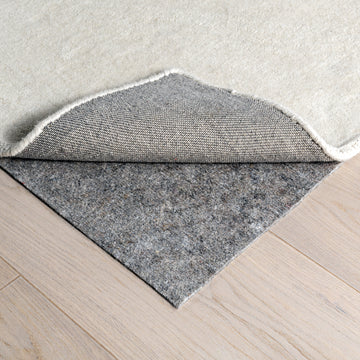
When a spill penetrates a rug, cleaning only the top surface may leave odour trapped in the backing or floor beneath it.
Lift the rug and inspect the underside. Clean the backing according to the care label and wipe the floor below it. Allow both surfaces to dry fully before returning the rug to its original position.
For delicate, antique, wool or natural-fibre rugs, professional cleaning may be safer than home treatment.
7. Steam Clean for Deep, Persistent Smells
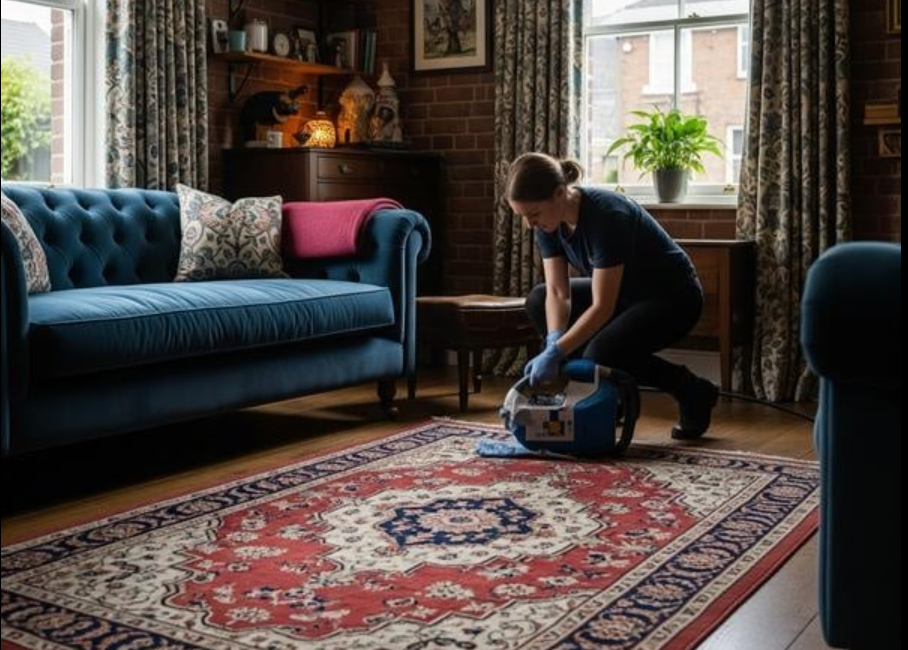
Vacuuming and surface treatments may not remove odours embedded in carpet padding. In such cases, steam cleaning or hot-water extraction may provide a deeper clean.
Use a carpet-cleaning machine that suits the carpet material and follow the detergent instructions precisely. Avoid using too much water, as slow drying can create new musty smells.
Professional carpet cleaning may be necessary when the odour covers a large area, returns repeatedly or is linked to mould, sewage or extensive pet contamination.
How to Prevent Carpet Odours
Regular maintenance can reduce the need for intensive deodorising.
Vacuum high-traffic areas frequently, clean spills immediately and avoid placing damp items on the carpet. Use washable mats near entrances and maintain suitable indoor ventilation. Pet owners should inspect accident-prone areas regularly and treat them promptly.
It is also helpful to deep-clean carpets periodically, depending on household traffic, pets and manufacturer recommendations.
When Should You Replace a Smelly Carpet?
Some odours cannot be removed through surface cleaning alone. Replacement may be necessary when contamination has reached the padding or subfloor, mould growth is present or the carpet has been repeatedly soaked.
Persistent odours may also indicate a hidden plumbing leak or moisture problem. Addressing the underlying cause is essential before installing a new carpet.
Conclusion
Carpet smells are easier to manage when the source is treated quickly. Baking soda, ventilation, diluted vinegar, enzyme cleaners and careful blotting can resolve many common household odours.
For deep or recurring smells, clean the rug backing, inspect the flooring underneath and consider professional extraction. A consistent cleaning routine will help keep rugs fresh without relying on strong fragrances that only hide the problem.