

Practical Tips on How to Style Your Rug in Your Space
A rug can influence how a room looks, feels, and functions. It can define a seating arrangement, introduce colour, add warmth, protect flooring, and improve comfort underfoot. However, choosing an attractive rug is only part of the process. Its size, placement, shape, material, and relationship with the surrounding furniture also matter.
The following Tips on how style your rug in your space can help you create a balanced arrangement without making the room feel crowded or disconnected. Whether you are decorating a living room, bedroom, dining area, or hallway, thoughtful rug placement can improve the overall appearance of the space.
Start by Choosing the Right Rug Size
Rug size is one of the most important factors in room styling. A rug that is too small may make the furniture look separated, while an oversized rug may reduce the visible flooring and make the room feel confined.
Measure the area before purchasing a rug. Use masking tape to mark the expected dimensions on the floor. This gives you a clearer idea of how the rug will sit beneath the furniture.
Rug Sizing for Different Rooms
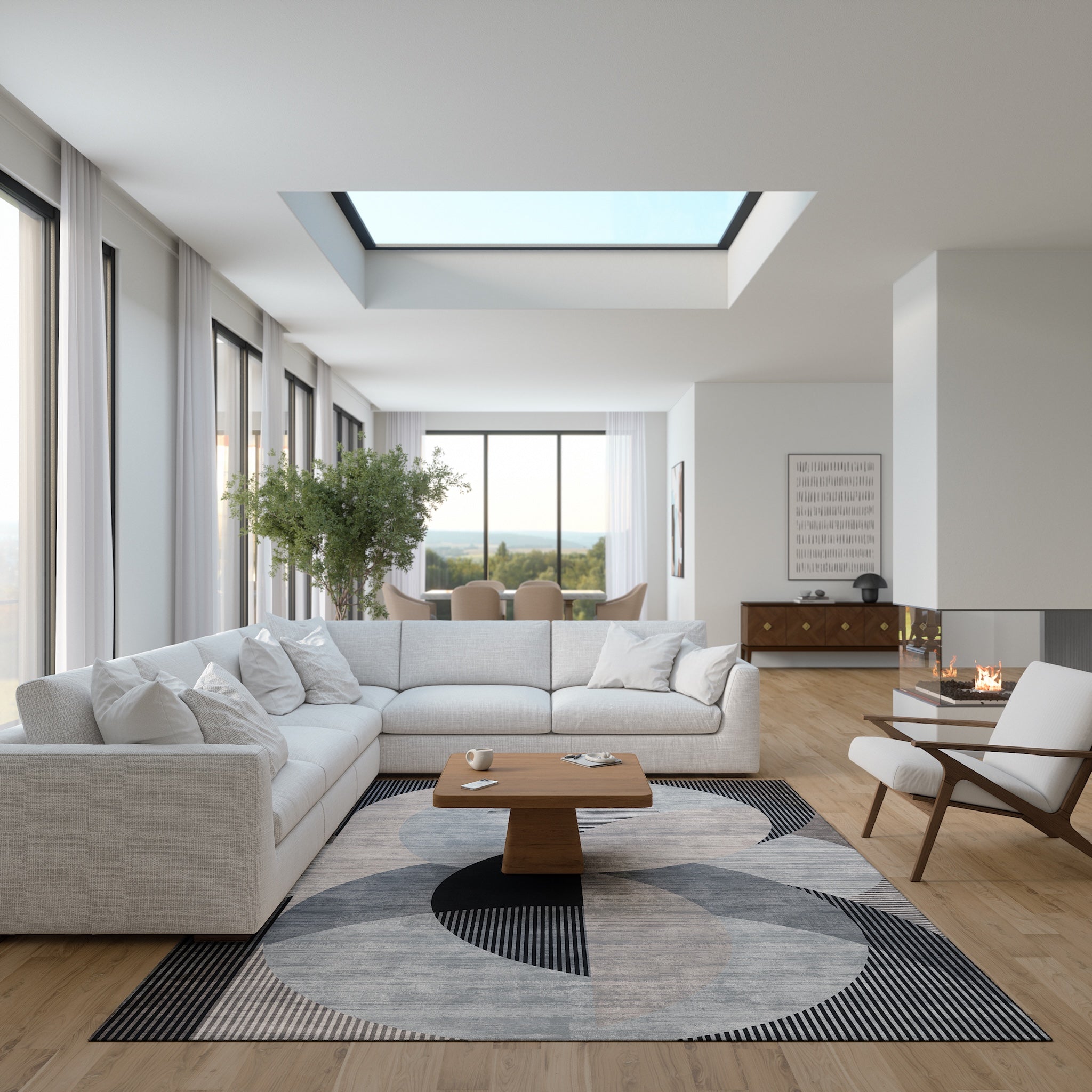
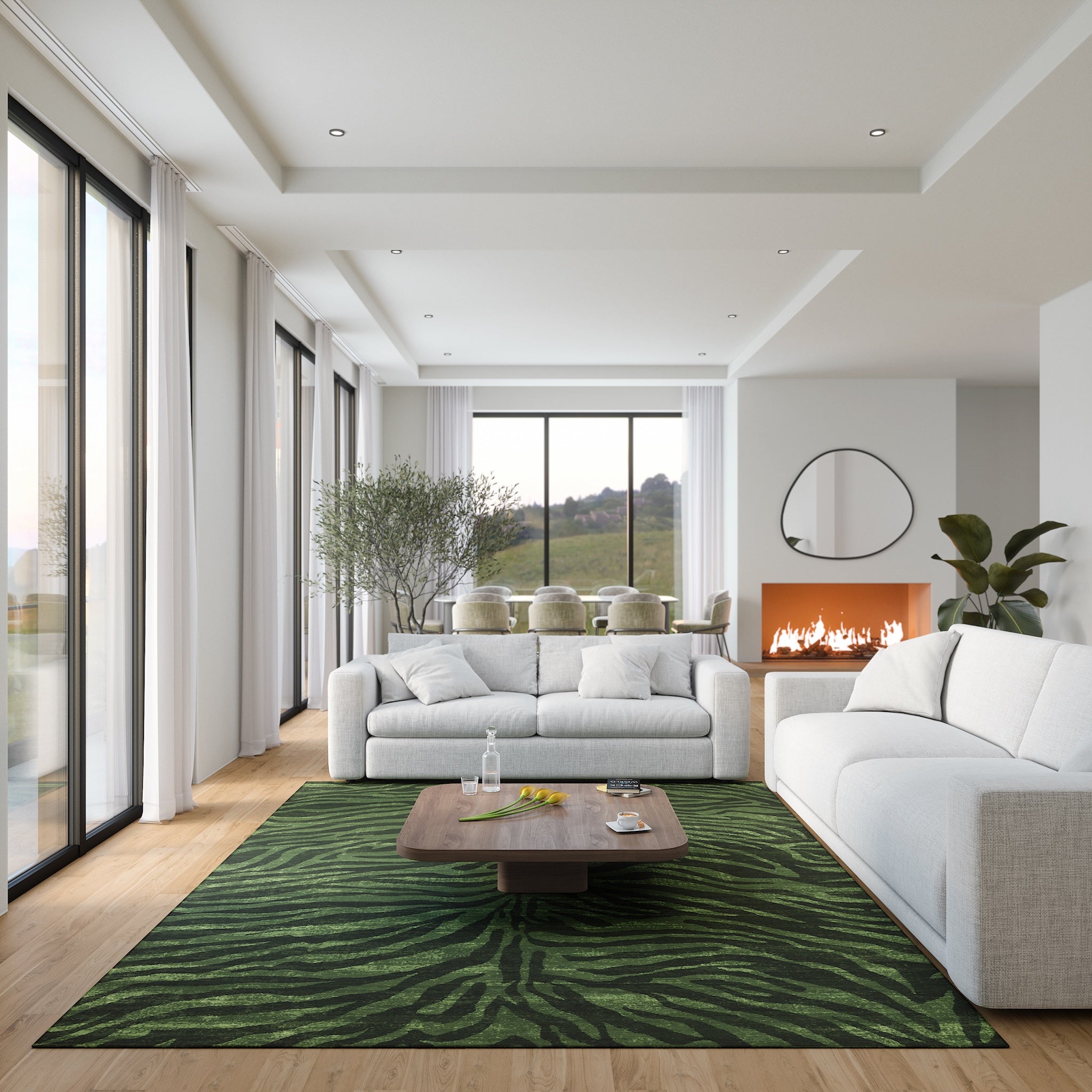
In a living room, the rug should generally connect the main furniture pieces. Ideally, the front legs of the sofa and chairs should rest on the rug. In larger rooms, all furniture legs may be placed completely on it.
For a dining room, choose a rug that extends beyond the edges of the table. There should be enough space for the dining chairs to remain on the rug when pulled out.
In a bedroom, a large rug can be positioned beneath the bed, extending beyond both sides and the foot. Smaller rugs or runners may also be placed beside the bed for additional comfort.

Use the Rug to Define the Room
Rugs are particularly useful in open-plan spaces where several functional zones share the same floor area. A carefully placed rug can separate the living area from the dining or working area without using partitions.
For example, place one rug beneath the seating arrangement and another under the dining table. The rugs do not need to match exactly, but they should share a common colour, pattern, or design style to maintain consistency.
Avoid placing a rug randomly in the centre of the floor. It should connect with the furniture and clearly support the purpose of the area.
Coordinate the Rug with existing colors.
A rug can either support the existing colour palette or serve as a visual focal point. Before choosing one, consider the colours already present in the walls, curtains, upholstery, cushions, and artwork.
If the room contains bold furniture or patterned curtains, a neutral rug may provide balance. For a room with simple furniture and plain walls, a patterned rug can add character.
You do not need to match every colour exactly. Instead, select a rug containing one or two shades already used elsewhere in the room. This creates a coordinated appearance without making the design feel overly planned.
Consider Pattern and Visual Balance
Patterns can add movement and interest, but their scale should suit the room. Large patterns often work well in spacious rooms, while smaller designs may be more appropriate for compact spaces.
A detailed rug can help disguise minor stains and regular wear, making it practical for busy households. Solid-coloured rugs provide a quieter appearance and can make decorative furniture stand out.
When combining patterned rugs with patterned furniture, ensure there is enough contrast. For example, pair a rug with a broad geometric design with cushions featuring smaller, simpler patterns.
Select a Material Based on Room Use
The rug material should match the amount of foot traffic and maintenance required.
Wool rugs offer softness, durability, and insulation, making them suitable for living rooms and bedrooms. Cotton rugs are generally lighter and easier to move, which can be useful in casual spaces.
Synthetic materials may provide greater resistance to stains and moisture. They are often suitable for households with children or pets. Natural fibres such as jute and sisal add texture but may feel rougher underfoot.
For entrances, hallways, and dining spaces, choose a material that can tolerate regular use and is relatively easy to clean.
Layer Rugs Carefully
Layering rugs can add depth and texture to a room. A common approach is to place a smaller decorative rug over a larger neutral rug made from jute or another natural fibre.
The bottom rug should be large enough to anchor the furniture, while the upper rug can highlight a specific area, such as a coffee table or reading chair.
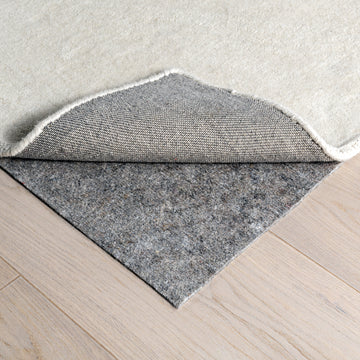
To keep the arrangement balanced, avoid layering two highly detailed patterns. Combine a simple base rug with a more expressive upper design. A rug pad can also help prevent movement and maintain a secure surface.
Match the Rug Shape to the Space
Rectangular rugs are widely used, but other shapes may suit certain layouts more effectively.
A round rug can complement a circular dining table, curved furniture, or a small reading corner. Square rugs work well in symmetrical rooms, while runners are suitable for corridors, kitchens, and narrow spaces.
The rug shape does not always need to match the furniture. However, it should support the room’s proportions and allow sufficient space around surrounding items.
Leave Consistent Space Around the Rug
Leaving visible flooring around the rug creates a clear frame and prevents the room from appearing overcrowded. The amount of space required depends on the size of the room, but consistency is important.
In a compact room, a smaller border may be sufficient. Larger spaces can accommodate a wider area of exposed flooring. Avoid placing the rug too close to one wall while leaving excessive space on another side unless the room layout requires it.
Keep Practical Maintenance in Mind
A well-styled rug should also be easy to maintain. Rotate the rug periodically to reduce uneven fading and wear. Vacuum it regularly according to the material and construction.
Use a rug pad to reduce slipping, protect the flooring, and provide additional cushioning. Clean spills promptly, following the manufacturer’s care instructions. In high-traffic areas, darker colours or low-pile rugs may be more practical than light, thick designs.
Final Thoughts
Styling a rug successfully involves more than selecting a color or pattern. The rug should suit the room’s dimensions, furniture placement, daily use, and overall design.
By measuring the space, choosing an appropriate material, coordinating colours, and positioning the rug carefully, you can create a more comfortable and visually organised room. A properly styled rug connects the key elements of the interior while adding warmth, texture, and function.