


Dining Table Rug Size Guide: What Size Rug Do You Need?
Choosing the right rug for your dining room involves more than selecting a colour or pattern that matches your furniture. The rug must be large enough to accommodate the dining table and chairs while maintaining a balanced appearance. A properly sized rug also protects the flooring, defines the dining area, and adds warmth and texture to the room.
If you are wondering, “What size rug do I need for my dining table?" the answer depends on your table dimensions, seating arrangement, room size, and the amount of space available around the furniture. This Dining Table Rug Size Guide: What Size Rug Do You Need? explains how to measure your dining area, select suitable rug dimensions, and choose a style that works for your home.
Why Is Rug Size Important Under a Dining Table?
A dining room rug should provide enough space for the table and chairs, even when someone pulls a chair away from the table to sit down or stand up. If the rug is too small, chair legs may catch on its edges, making seating uncomfortable and causing the rug to shift.
A correctly sized rug creates a defined dining zone, particularly in open-plan homes where the dining area shares space with the kitchen or living room. It can also introduce colour, soften hard flooring, and complement other furnishings.
Before purchasing a rug, measure your table and consider how much clearance the chairs require when they are in use.
How Much Bigger Should a Rug Be Than a Dining Table?
As a general rule, choose a rug that extends approximately 24 to 30 inches beyond every side of the dining table. This provides room for most dining chairs to remain on the rug when pulled out.
For example, if your dining table measures 72 inches long and 36 inches wide, a rug measuring approximately 120 inches by 84 inches may provide suitable coverage.
However, the ideal dimensions depend on the chair design, table shape, and room layout. Larger chairs or dining areas with generous spacing may require additional clearance.

Measure the Table and Chairs
Start by measuring the length and width of your dining table. Next, estimate how far the chairs extend when pulled back for seating. Add approximately 48 to 60 inches to both the table's length and width to calculate a useful starting range for rug dimensions.
Check the available floor space before making your final decision. The rug should accommodate the furniture without extending so far that it interferes with nearby cabinets, doorways, or walkways.
Recommended Rug Sizes for Different Dining Tables
The following measurements are practical starting points. Always compare them with your furniture dimensions and available room space.
Small Dining Tables
For a small table seating two to four people, a rug measuring approximately 5 by 8 feet may work, depending on the table's dimensions. A round rug can also complement a compact round table.
Ensure that chairs remain on the rug when pulled out. In particularly small dining areas, a rug that is too large may restrict movement around the table.
Medium Dining Tables
For a rectangular table seating four to six people, consider a rug around 8 by 10 feet. This size often provides enough room for the table and chairs while creating a clear dining area.
Measure carefully if your table has an extension leaf. If you regularly expand the table for guests, choose a rug that accommodates the extended arrangement.
Large Dining Tables
Large rectangular tables seating six to eight people or more may require a 9-by-12-foot rug or larger. These dimensions provide greater coverage and help maintain balanced proportions in spacious dining rooms.
For long tables, prioritise the rug's length so that chairs at both ends remain comfortably positioned on the rug.
Choosing a Rug Shape for Your Dining Table
Rectangular Rugs
Rectangular rugs are suitable for most rectangular dining tables. They provide consistent chair clearance and work well in traditional dining rooms, open-plan spaces, and long, narrow rooms.
Round Rugs
Round rugs complement round dining tables and can make compact dining areas feel more cohesive. Choose a diameter that provides sufficient clearance around the table and chairs.
Square Rugs
Square rugs can work well beneath square dining tables, particularly in rooms with balanced proportions. Ensure the rug is large enough to accommodate chairs when they are pulled away from the table.
Which Rug Materials Work Best in Dining Rooms?
Dining rooms experience food spills, crumbs, and frequent chair movement, so material selection matters.
-
Wool: Durable and comfortable, wool suits formal dining rooms but may require prompt attention to spills.
-
Synthetic fibres: Polypropylene and similar materials can offer practical stain resistance and straightforward maintenance.
-
Flat-weave rugs: These have a relatively low profile, making it easier to move chairs and vacuum the surface.
-
Natural fibres: Jute and sisal provide texture and a natural appearance, although some varieties can be more difficult to clean when exposed to liquid spills.
Choose a material that matches your household's cleaning needs and dining habits.
How to Match Your Rug With Dining Room Décor
The rug should complement the dining table, chairs, flooring, and surrounding décor. Neutral rugs work well with bold furniture, while patterned designs can introduce character into a simple dining room.
For wooden tables, consider earthy colours, subtle geometric patterns, or traditional designs. In contemporary spaces, solid colours and understated patterns can create a clean appearance.
Avoid patterns that make the dining area feel crowded. If your furniture already features prominent colours or detailed upholstery, a simpler rug may create a better balance.
Common Dining Room Rug Mistakes to Avoid
Avoid choosing a rug based only on the table's footprint. Chairs need additional space, and inadequate clearance can make everyday dining uncomfortable.
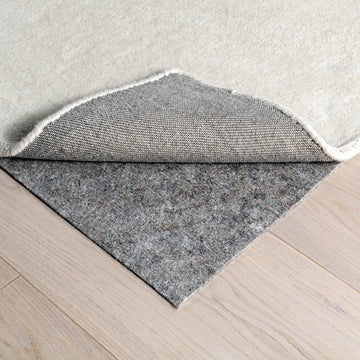
Other mistakes include selecting a material that is difficult to clean, ignoring the room's proportions, and using a rug with a thick pile that makes chairs harder to move. A suitable rug pad can help keep the rug stable and reduce movement during use.
Conclusion
Choosing the right dining room rug starts with accurate measurements and a clear understanding of how the space is used. A rug that extends approximately 24 to 30 inches beyond each side of the table is a useful starting point, but the final size should account for chair movement and room layout.
Use this Dining Table Rug Size Guide: What Size Rug Do You Need? to compare dimensions, select a suitable shape, and identify a practical material for your home. With the right rug, you can create a dining area that feels comfortable, coordinated, and easy to maintain.


