


How to Choose the Right Carpets for Bedrooms
Selecting a carpet for your bedroom is not just about appearance. It affects comfort, insulation, maintenance, and the overall atmosphere of the space. Bedrooms are personal spaces designed for rest, so flooring should support warmth and quietness while remaining easy to maintain.
If you are wondering how to choose the right carpets for bedrooms, this guide explains the key factors you should evaluate before making a purchase. From material and pile type to size and maintenance, each detail plays a role in long-term satisfaction.
Why Carpets Are Ideal for Bedrooms
Carpets are commonly preferred in bedrooms because they provide softness underfoot and help reduce noise. Unlike hard flooring, carpets create a warmer environment, especially in colder months. They also contribute to insulation, which can support energy efficiency.
Bedrooms typically experience lighter foot traffic than living rooms or hallways. This allows homeowners to prioritize comfort and texture without worrying excessively about heavy wear.
Choosing the Right Carpet Material
The material determines durability, texture, maintenance requirements, and cost. Understanding the characteristics of each type will help you make an informed decision.
Wool Carpets
Wool is a natural fiber known for softness and durability. It offers good insulation and resists dirt naturally. However, wool carpets are usually more expensive and may require professional cleaning.
Nylon Carpets
Nylon is one of the most durable synthetic options. It resists wear, stains, and fading, making it suitable for bedrooms with moderate use. It also offers a wide range of color options.
Polyester Carpets
Polyester carpets are valued for their soft texture and affordability. They are stain-resistant but may not be as durable as nylon in the long term.
Polypropylene Carpets
Polypropylene is moisture-resistant and budget-friendly. While it may not provide the same softness as wool or polyester, it performs well in low-traffic areas.
When deciding how to choose the right carpets for bedrooms, consider how often the room is used and whether you prefer natural or synthetic fibers.
Understanding Carpet Pile Types
Pile refers to the visible surface fibers of the carpet. The pile type influences comfort and maintenance.
Cut Pile
Cut pile carpets are soft and smooth. Variations such as plush or Saxony styles are common in bedrooms due to their comfort.
Loop Pile
Loop pile carpets are durable and maintain their structure well. However, they may feel firmer underfoot compared to cut pile options.
Cut and Loop
This type combines both textures to create patterns. It offers visual interest while maintaining moderate durability.
For bedrooms, many homeowners prefer softer cut pile carpets because comfort is a priority.
Selecting the Right Carpet Size
Carpet size significantly affects room balance. You can choose between wall-to-wall carpeting or area rugs.
-
Wall-to-wall carpets provide complete coverage and uniform insulation.
-
Area rugs allow flexibility and can highlight specific zones, such as under the bed.
For area rugs, ensure the carpet extends at least 18–24 inches beyond the sides of the bed. This prevents stepping onto a cold floor when getting out of bed.
Room dimensions should guide your choice. Measure carefully before purchasing to avoid sizing errors.
Choosing the Right Color and Design
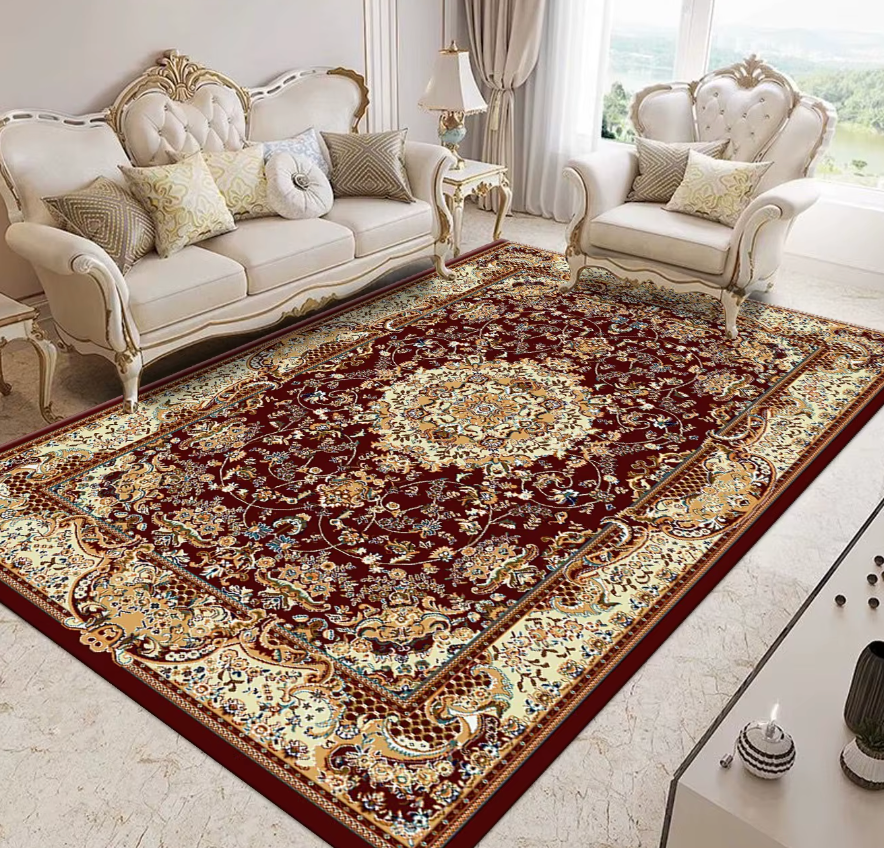
Color influences the visual impact of the bedroom. Neutral tones such as beige, grey, or soft cream create a calm atmosphere. Darker shades can add warmth and help conceal minor stains.
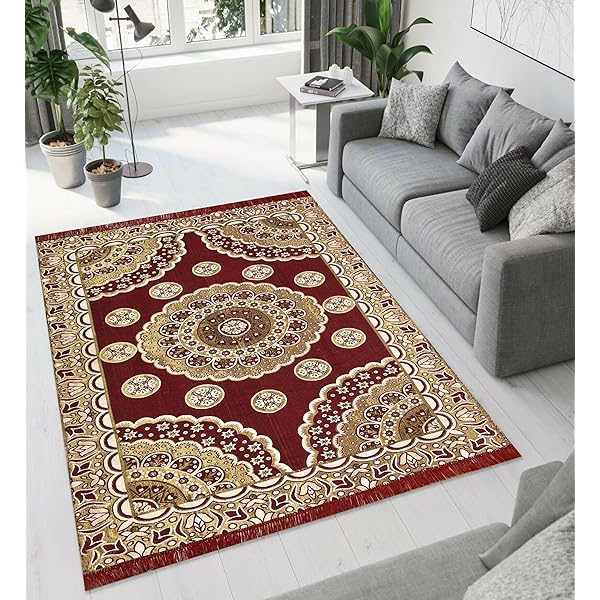
If your bedroom already contains patterned furniture or bold wall colors, a simple carpet design may create better balance. Conversely, a subtle patterned carpet can add depth to minimal interiors.
Lighting also affects how a carpet appears. Natural and artificial light may change the tone slightly, so reviewing samples in the room is advisable.
Comfort and Underlay Considerations
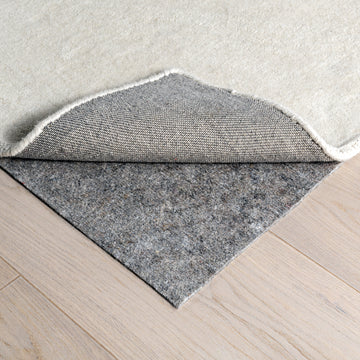
Underlay is often overlooked but plays a crucial role in comfort and durability. A quality underlay provides cushioning, reduces noise, and extends carpet lifespan.
When evaluating how to choose the right carpets for bedrooms, consider pairing your carpet with an appropriate underlay thickness. Thicker underlay typically enhances softness, but it should remain compatible with the carpet type.
Maintenance and Cleaning Requirements
Bedrooms generally require less intensive cleaning than high-traffic areas. However, dust and allergens can accumulate over time.
-
Vacuum regularly to maintain fiber structure.
-
Address spills promptly to prevent staining.
-
Schedule professional cleaning when necessary.
If low maintenance is a priority, synthetic carpets may be more practical than natural fibers.
Budget Planning
Carpet pricing varies depending on material, pile type, and brand. While affordability is important, focusing solely on price may lead to lower durability.
Consider total costs, including installation and underlay. Investing slightly more in quality materials can provide longer service life and better comfort.
Final Thoughts
Choosing a bedroom carpet requires balancing comfort, durability, design, and maintenance. The ideal option should feel soft underfoot, complement your interior style, and remain easy to care for over time.
Understanding materials, pile types, size requirements, and budget factors makes the decision clearer. By carefully assessing these elements, you can confidently determine How to choose the right carpets for bedrooms and create a comfortable, well-finished space that supports rest and relaxation.