

Best Rug Patterns for Every Furniture Style
Selecting the right rug is not only about size and color. Pattern plays a major role in defining how a space feels and how well it complements your furniture. The wrong pattern can overwhelm a room, while the right one can balance proportions, add texture, and bring cohesion to your décor.
This guide explains how to choose the best rug patterns for every furniture style, whether your home features modern minimalism, traditional elegance, rustic warmth, or an eclectic mix. By understanding how patterns interact with furniture shapes, materials, and color palettes, you can make confident design decisions that enhance your space.
Why Rug Patterns Matter in Interior Design
Rug patterns influence visual flow. They can:
-
Anchor a seating area
-
Highlight or soften furniture shapes
-
Add depth to neutral interiors
- Introduce subtle contrast without changing furniture
Patterns also affect how large or small a room appears. Large-scale patterns can make spacious rooms feel cohesive, while smaller, repetitive designs suit compact areas.
When choosing the Best Rug Patterns for Every Furniture Style, consider three key elements:
-
Furniture silhouette (clean lines vs. ornate details)
-
Upholstery texture (leather, velvet, linen, wood)
- Existing color scheme

Modern Furniture: Clean Lines and Geometric Patterns
Modern furniture often features straight edges, neutral tones, and minimal ornamentation. Think low-profile sofas, metal frames, and smooth surfaces.
Recommended Rug Patterns for Modern Interiors
-
Geometric patterns
-
Abstract designs
-
Subtle linear motifs
- Tone-on-tone patterns
Geometric rugs complement the structured nature of modern furniture. For example, a gray sectional pairs well with a rug featuring soft angular shapes in muted shades. Abstract patterns also work effectively, especially in open-plan living spaces where the rug becomes a visual focal point.
Avoid overly intricate floral designs, as they may conflict with the simplicity of modern pieces.
Traditional Furniture: Classic Patterns with Depth
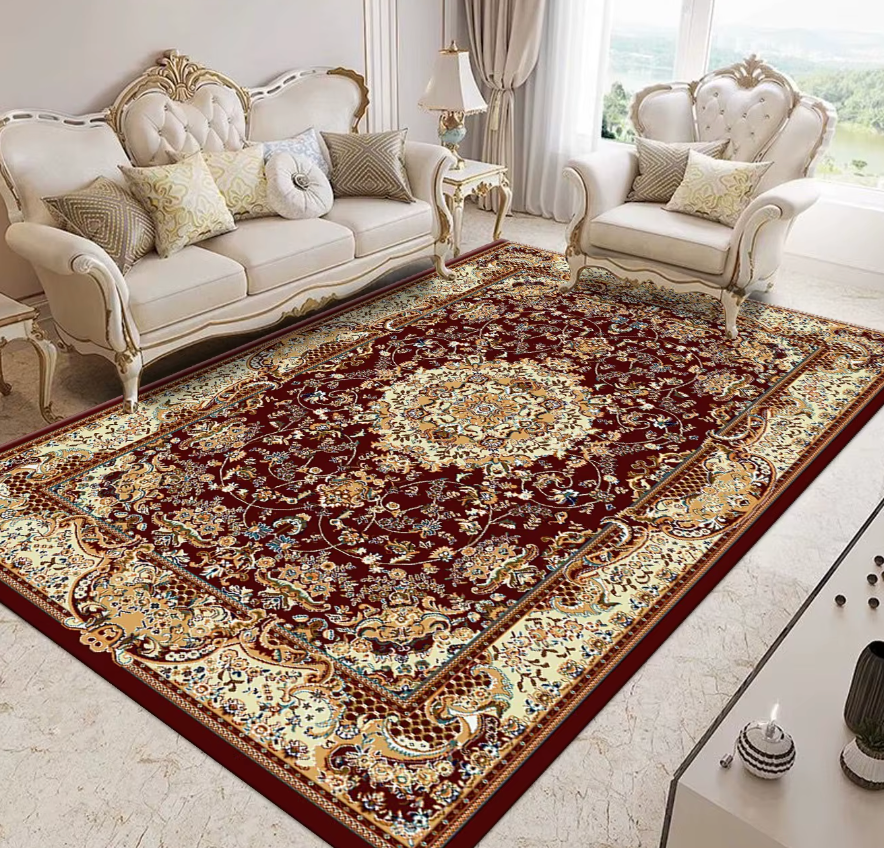
Traditional interiors often include carved wood furniture, rolled-arm sofas, rich fabrics, and warm tones.
Recommended Rug Patterns for Traditional Interiors
-
Persian-inspired designs
-
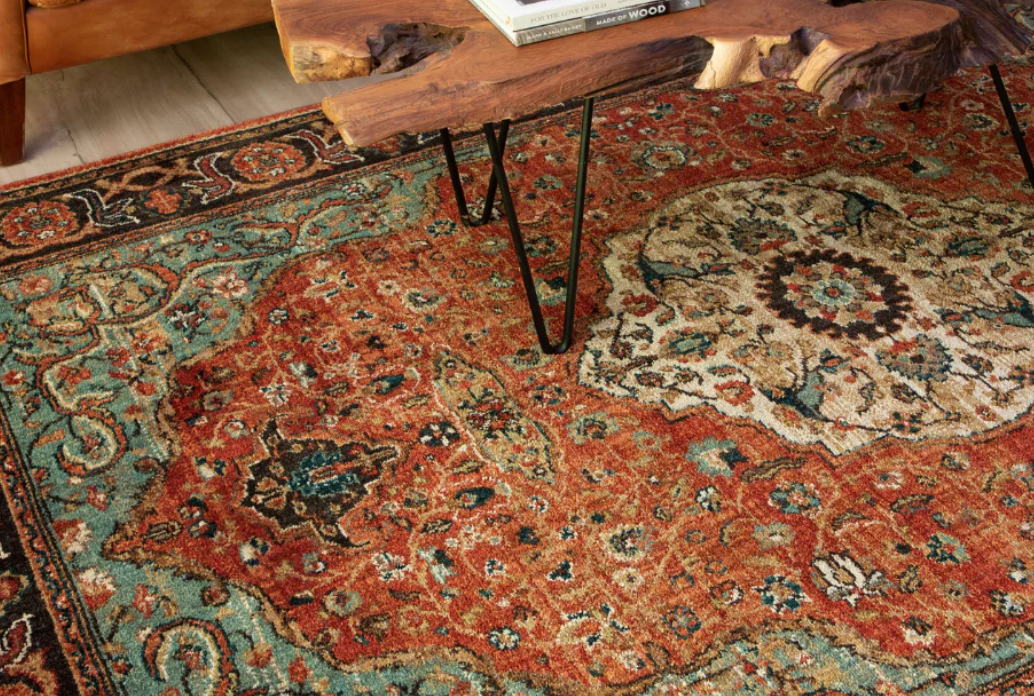
Oriental motifs
-
Floral patterns
- Medallion-centered layouts
These patterns echo the detailing found in traditional furniture. A Persian-style rug beneath a mahogany coffee table enhances the overall aesthetic without appearing forced.
When selecting the best rug patterns for Every Furniture Style, ensure the rug’s color palette complements upholstery and wood finishes. Deep reds, navy blues, and earthy tones often align well with classic interiors.
Minimalist Furniture: Subtle Texture Over Bold Design
Minimalist spaces rely on simplicity, open space, and limited color variation. Furniture often features neutral upholstery, light wood, and clean geometry.
Recommended Rug Patterns for Minimalist Interiors
-
Solid rugs with texture
-
Faint grid patterns
-
Soft ombré effects
-
Low-contrast designs
In minimalist rooms, the rug should support rather than dominate. Textured wool or jute rugs introduce warmth without visual clutter. If you prefer a pattern, choose something understated that blends seamlessly into the overall design.
Large, high-contrast patterns may distract from the calm atmosphere typically associated with minimalist spaces.
Rustic and Farmhouse Furniture: Natural and Organic Patterns
Rustic interiors emphasize raw materials such as wood, stone, and linen. Furniture tends to have a sturdy, handcrafted appearance.
Recommended Rug Patterns for Rustic Interiors
-
Southwestern motifs
-
Striped designs
-
Vintage distressed patterns
- Natural fiber weaves
Earth-toned rugs with subtle patterns work well with farmhouse dining tables and wooden benches. Distressed rugs can add character without appearing overly formal.
For rustic environments, avoid glossy or highly structured patterns. Organic designs align better with natural materials.
Contemporary and Eclectic Furniture: Balanced Contrast
Eclectic spaces combine different styles, textures, and eras. Furniture may range from mid-century chairs to industrial shelving and bold artwork.
Recommended Rug Patterns for Eclectic Interiors
-
Bold geometric layouts
-
Mixed-scale patterns
- Contemporary abstract art-inspired designs
When mixing furniture styles, the rug can serve as a unifying element. Choose a pattern that incorporates at least one dominant color from the room. This creates cohesion while allowing individuality.
In these interiors, experimentation is acceptable, but balance remains essential. If furniture is visually busy, select a rug with moderate detail rather than heavy ornamentation.
How to Match Rug Pattern Scale with Furniture Size
Pattern scale matters as much as design type.
-
Large furniture pieces suit large-scale patterns.
-
Smaller seating areas work well with compact motifs.
-
Open living rooms benefit from patterns that extend beyond the main seating area.
If your sofa is oversized and solid-colored, a bold pattern can add contrast. Conversely, if upholstery already includes prints, choose a more restrained rug.
Understanding scale ensures you truly select the Best Rug Patterns for Every Furniture Style, rather than choosing a design based solely on trend or preference.
Final Considerations Before Buying
Before purchasing a rug, review the following:
-
Measure the seating area accurately
-
Consider foot traffic and maintenance
-
Check lighting conditions in the room
- Request samples when possible
Natural light may soften bold patterns, while artificial lighting can intensify contrast. Always evaluate the rug within your space rather than relying on showroom appearance alone.
Conclusion
Choosing the right rug pattern requires attention to furniture style, room scale, and overall aesthetic balance. From geometric designs for modern interiors to medallion motifs for traditional settings, each pattern type serves a distinct purpose.
By carefully assessing furniture shape, texture, and color coordination, you can confidently select the best rug patterns for every furniture style and create a space that feels intentional and cohesive.
A well-chosen rug does more than cover the floor. It anchors the room, enhances furniture, and contributes to a harmonious interior design.