

Flatweave Rugs Guide: Types, Styling & How to Clean (2026)
Flatweave rugs are practical floor coverings recognised for their thin profile, woven construction and wide range of patterns. Unlike pile rugs, they are produced by interlacing warp and weft fibres without creating a raised surface. This construction makes them lightweight, reversible in many cases and suitable for rooms where doors or furniture require lower floor clearance.
This Flatweave Rugs Guide: Types, Styling & How to Clean (2026) explains the main varieties available, how to choose the right rug for different rooms and how to maintain it without damaging its fibres or colours.
What Is a Flatweave Rug?
A flatweave rug is created on a loom by weaving horizontal threads through vertical foundation threads. Since the rug does not have a knotted or tufted pile, its surface remains relatively smooth and compact.
Flatweave rugs are commonly made from wool, cotton, jute, synthetic fibres or blends. Wool options are usually durable and naturally resilient, while cotton rugs tend to be lighter and easier to move. Synthetic materials may offer better stain resistance, depending on the product.
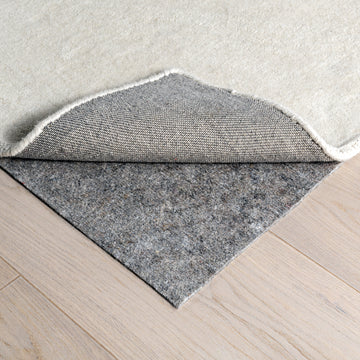
Their low-profile design makes flatweave rugs suitable for dining areas, hallways, kitchens, home offices, and layered living-room arrangements. However, lightweight rugs can move on smooth floors, so a correctly sized rug pad is often necessary.

Common Types of Flatweave Rugs
Although flatweave rugs share a similar construction, weaving techniques, materials and regional traditions create noticeable differences.
Kilim Rugs
Kilim rugs are known for geometric motifs, strong colour contrasts and clearly defined patterns. They are traditionally produced using slit-weave methods, where different coloured sections meet without being carried across the full width of the rug.
Because many kilims are reversible, either side may be displayed. Their decorative appearance makes them suitable for living rooms, bedrooms and wall displays.
Dhurrie Rugs
Dhurries are traditional flatwoven rugs commonly associated with India. They are often made from cotton or wool and feature stripes, geometric designs or simple repeating patterns.
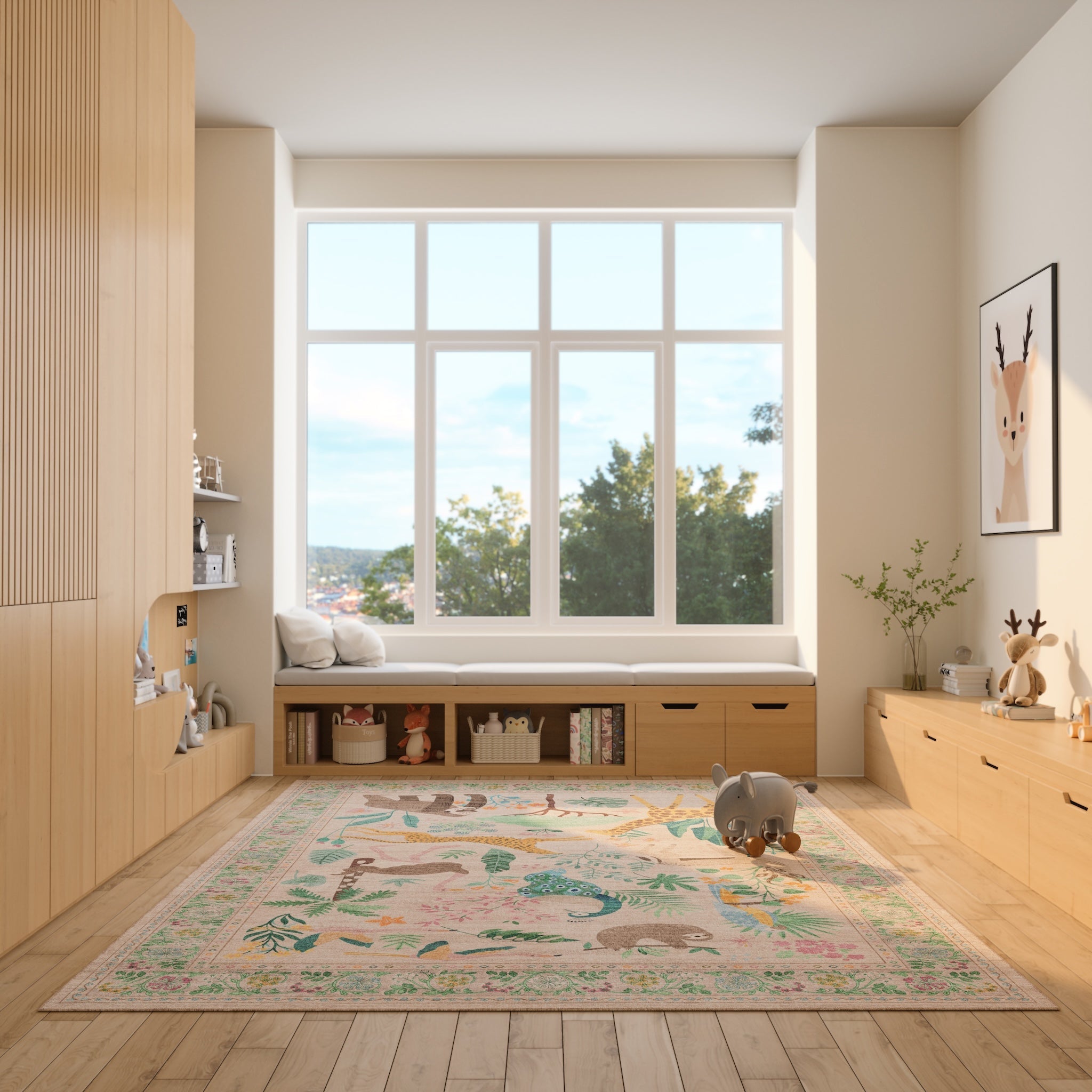
Cotton dhurries are usually lightweight and work well in casual interiors, children’s rooms and warmer climates. Larger wool dhurries can provide more structure and insulation.
Soumak Rugs
Soumak rugs use a wrapping technique that produces a more textured and substantial surface than a standard kilim. The weaving method can create a braided appearance and detailed motifs.
They are generally thicker than other flatweaves and may suit formal living spaces, studies or rooms that need a more structured floor covering.
Cotton and Wool Flatweaves
Modern flatweave rugs may not follow a specific regional weaving tradition. Instead, they are categorised by material, pattern or manufacturing method.
Cotton rugs are typically affordable and manageable, while wool flatweaves provide greater durability. Before cleaning either material, owners should check the manufacturer’s care label because washing recommendations can differ significantly.
How to Style Flatweave Rugs
Flatweave rugs can support traditional, contemporary and minimalist interiors. Their thin construction also makes them easier to layer than thick-pile rugs.
Choose the Correct Rug Size
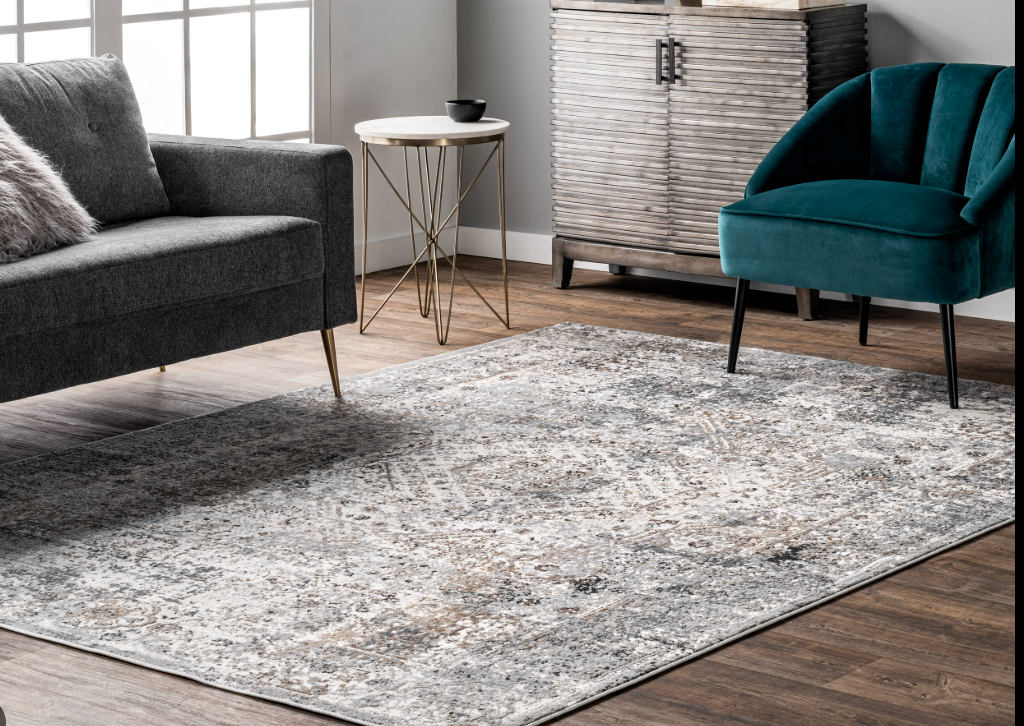
In a living room, select a rug large enough to sit beneath at least the front legs of the main furniture. A very small rug placed in the centre can make the seating arrangement appear disconnected.
For dining rooms, the rug should extend beyond the table so that chair legs remain on the rug when the chairs are pulled out. In bedrooms, a large rug can be positioned beneath the bed, while smaller runners may be placed along each side.
Use Patterns to Balance the Room
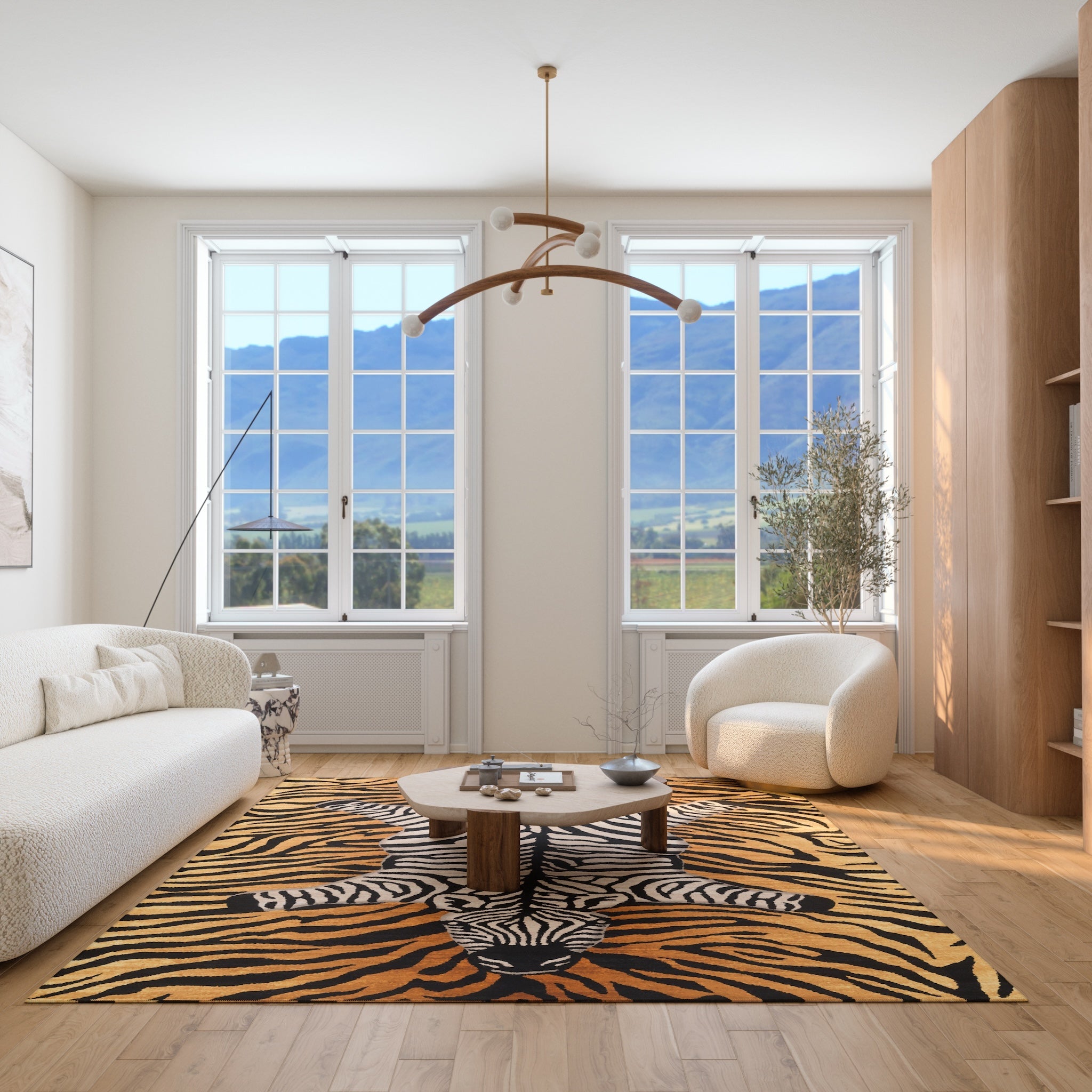
A strongly patterned flatweave can add contrast to a neutral room. In spaces that already contain patterned curtains, cushions or wallpaper, a simpler striped or solid-coloured rug may create better visual balance.
The rug does not need to match every colour in the room. Instead, select one or two shades that relate to existing furniture, artwork or textiles.
Layer It Over Another Rug
Layering a flatweave over a larger natural-fibre or low-pile rug can define a seating area and introduce colour. The upper rug should be noticeably smaller so the base layer remains visible.
Use a rug pad or suitable underlay to reduce movement, particularly when layering rugs in frequently used areas.
How to Clean a Flatweave Rug
Cleaning requirements depend on the rug’s material, dye stability and manufacturer instructions. Always test any cleaning solution on a hidden section first.
Vacuum Carefully
Vacuum regularly using low suction and avoid aggressive rotating brushes or beater bars, which may pull fibres or damage edges. Rug-care guidance commonly recommends suction-only vacuuming or turning off the beater bar when possible.
Vacuum both sides occasionally because dust can settle beneath the weave. Do not vacuum over fringes, as they may become tangled in the machine.
Treat Spills Immediately
Blot spills with a clean, absorbent white cloth. Do not rub, because rubbing can spread the stain and push liquid deeper into the fibres.
For suitable rugs, use a small amount of diluted, pH-neutral cleaner and lukewarm water. Avoid soaking the rug, especially when it is made from wool, as excessive moisture may cause colour transfer, distortion or browning.
Follow the Care Label Before Washing
Only machine-wash a rug when its care label specifically permits it. Small washable rugs may generally be cleaned using mild detergent and the recommended water temperature, but the manufacturer’s instructions should take priority.
Do not assume that every cotton rug is machine washable. Hand-dyed, handmade or mixed-fibre rugs may require specialist cleaning.
Final Thoughts
Flatweave rugs offer a practical combination of pattern, flexibility and easy placement. Choosing the right type depends on the room, expected foot traffic, material and preferred design. Regular low-suction vacuuming, immediate spill treatment and careful adherence to the care label can help preserve the rug’s shape and appearance. For valuable, handmade or heavily stained rugs, professional cleaning remains the safer option.