

How to Choose The Right Pet Friendly Rugs?
Living with pets adds warmth and companionship to a home, but it also brings practical challenges especially when it comes to flooring. Rugs often face muddy paws, shedding fur, accidental spills, and frequent cleaning. Choosing the wrong rug can lead to constant maintenance or early replacement.how to choose the right pet friendly rugs by focusing on durability, material, safety, and ease of care.
Why Pet Friendly Rugs Matter
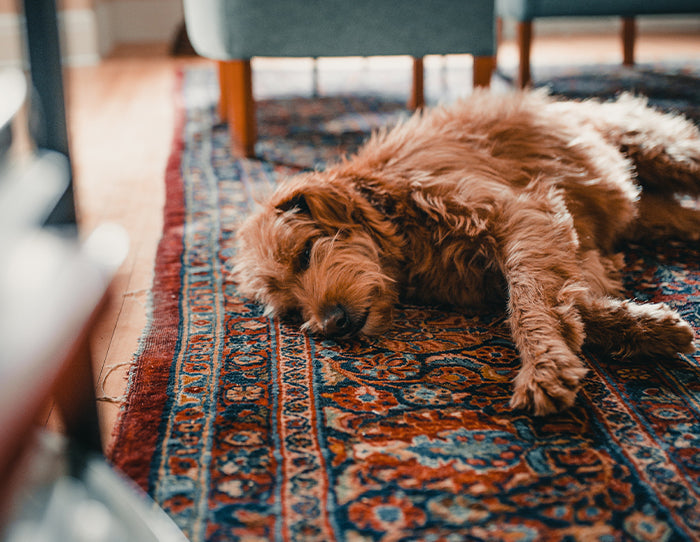
Rugs in pet-friendly homes must handle more wear than standard options. Pets move frequently, scratch surfaces, and may have occasional accidents. A rug that cannot handle this daily activity will show stains, odors, or damage quickly. Pet friendly rugs are designed to resist these issues while remaining comfortable and safe for animals and people.
Key Factors to Consider When Choosing Pet Friendly Rugs
1. Rug Material Selection
Material is the most important factor when deciding how to choose the right pet friendly rugs.
Synthetic Fibers
Synthetic materials such as nylon, polyester, and polypropylene are widely used in pet friendly rugs. These fibers resist moisture, dry quickly, and are less likely to absorb odors. They also handle frequent vacuuming without breaking down.
Natural Fibers
Natural materials like wool, jute, or cotton can be used in homes with pets, but they require more care. Wool is durable and naturally stain resistant, but it can trap pet hair. Jute and sisal are less suitable, as they absorb moisture and are harder to clean.
Best practice: Synthetic rugs are generally more practical for homes with dogs or cats.
2. Durability and Construction
Rugs in pet households must withstand daily movement and activity.
-
Choose low-pile or flat-weave rugs to reduce snagging from claws
-
Avoid looped piles, which can catch pet nails
-
Look for tightly woven construction for longer life
Low-pile rugs also make it easier to clean pet hair and dirt, reducing maintenance time.

3. Stain and Moisture Resistance
Accidents are sometimes unavoidable, even with well-trained pets. Rugs that absorb liquids quickly can develop stains and lingering odors.
When evaluating pet friendly rugs:
-
Look for stain-resistant or treated fibers
-
Prefer rugs that repel moisture rather than absorb it
-
Avoid untreated natural fibers in high-traffic pet areas
Some rugs include protective coatings that prevent liquids from penetrating deeply, making cleanup easier.
4. Ease of Cleaning and Maintenance
Understanding cleaning requirements is essential when learning how to choose the right pet friendly rugs.
Machine-Washable Rugs
Machine-washable rugs are suitable for smaller rooms or areas where pets spend most of their time. They simplify cleaning and reduce the need for professional services.
Vacuum and Spot Cleaning
Most pet friendly rugs should tolerate frequent vacuuming and spot cleaning without losing shape or texture. Check manufacturer guidelines before purchase.
Tip: Avoid rugs that require dry cleaning only, as they increase long-term maintenance costs.
5. Pet Hair Visibility
Pet hair is unavoidable, but rug color and texture can reduce how noticeable it is.
-
Match rug color to your pet’s fur shade when possible
-
Avoid high-contrast patterns that highlight hair
-
Choose smooth surfaces that prevent hair from embedding
Flat-woven rugs make hair removal easier compared to plush or shag rugs.
Safety Considerations for Pets
1. Non-Slip Backing
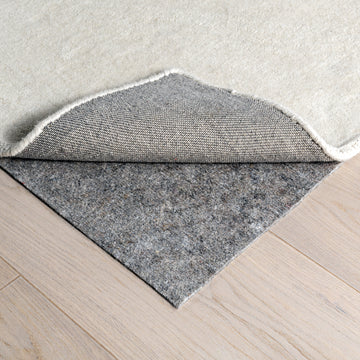
Pets can slip on rugs that move easily, increasing the risk of injury. Rugs with non-slip backing or added rug pads help keep surfaces stable.
This is especially important for:
-
Older pets with joint issues
-
Energetic dogs that run indoors
-
Smooth flooring such as tile or hardwood
2. Non-Toxic Materials
Pets often lie, chew, or lick surfaces. Rugs should be made from non-toxic dyes and finishes.
Check for:
-
Low chemical treatments
-
Pet-safe certifications when available
-
Minimal chemical odor upon unpacking
Choosing Rugs Based on Room Usage
Living Rooms
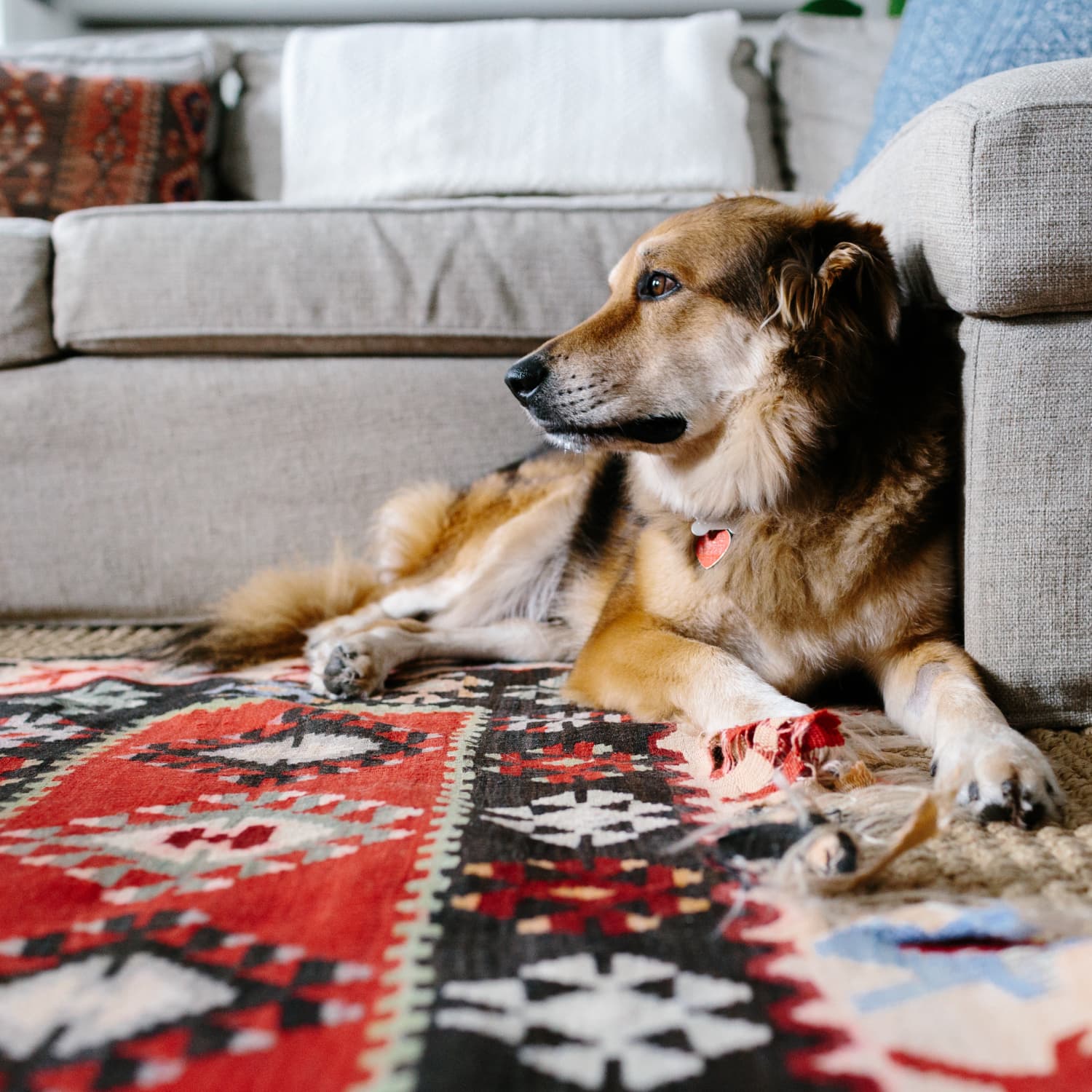
Living rooms often see the most pet activity. Durable, stain-resistant, low-pile rugs work well here.
Bedrooms
If pets sleep in bedrooms, soft but washable rugs are suitable. Avoid thick rugs that trap hair and dust.
Entryways and Hallways
These areas collect dirt and moisture from outside. Use flat-weave or outdoor-style rugs that handle heavy traffic and frequent cleaning.
How Long Do Pet Friendly Rugs Last?
The lifespan of pet friendly rugs depends on material, usage, and maintenance. Synthetic rugs in busy homes typically last several years with proper care. Regular vacuuming, prompt spill cleanup, and occasional deep cleaning extend rug life significantly.
Final Thoughts
Choosing the right rug for a pet-friendly home requires balancing comfort, durability, and ease of maintenance. By focusing on material quality, low-pile construction, stain resistance, and safety features, homeowners can find rugs that support both their lifestyle and their pets’ needs.
Understanding how to choose the right pet friendly rugs helps create a cleaner, safer, and more practical living space without constant upkeep or early replacement.