

How to Layer Rugs? Latest Layering Rug Ideas You Can't Miss!
Layering rugs is a practical way to add texture, warmth, colour, and visual structure to a room. Instead of relying on a single rug, this styling technique combines two or more rugs to create a more detailed and balanced floor arrangement.
The approach works well in living rooms, bedrooms, dining spaces, entryways, and open-plan interiors. It can also help define specific zones, cover worn flooring, or make an existing rug feel more suitable for a larger space.
If you are wondering, How to Layer Rugs Latest Layering Rug Ideas You Can't Miss!, the key is to choose rugs that complement each other without making the room look crowded. The right sizes, materials, patterns, and placement can create a layered look that feels intentional and comfortable.
What Does Layering Rugs Mean?
Layering rugs means placing one rug partially or fully over another. In most cases, a large neutral rug is used as the base, while a smaller decorative rug is positioned on top.
The base rug creates structure and coverage, while the upper rug adds personality. This combination allows homeowners to experiment with colour, shape, and pattern without replacing a larger and more expensive floor covering.
Rug layering is not limited to traditional rectangular designs. Round rugs, runners, animal-print styles, and textured pieces can also be layered when their proportions work well together.
:max_bytes(150000):strip_icc()/things-to-think-about-when-layering-rugs-4092352-hero-29854f52ce2140608d27e9530a99eeb1.jpg)
Why Should You Layer Rugs?
Layered rugs can improve both the appearance and function of a room.
Add Texture and Depth
Using different rug materials creates visual and physical texture. For example, a soft wool rug placed over a flat jute rug adds comfort while keeping the floor arrangement grounded.
Define Separate Areas
In open-plan homes, layered rugs can help separate a seating area from a dining or reading zone. The smaller rug draws attention to the main furniture arrangement within a larger space.
Update a Room Affordably
A smaller statement rug can refresh an existing neutral rug without requiring a complete floor redesign. This is useful when the base rug is still in good condition but needs more character.
Improve Comfort
Layering can make hard flooring feel warmer and softer. It may also provide additional cushioning in bedrooms, family rooms, and reading corners.
How to Layer Rugs Correctly
A successful layered arrangement depends on scale, placement, colour, and material.
Begin with a Larger Neutral Rug
Choose a large base rug in a neutral shade or simple texture. Jute, sisal, cotton, and low-pile wool rugs are suitable options because they provide a stable foundation.
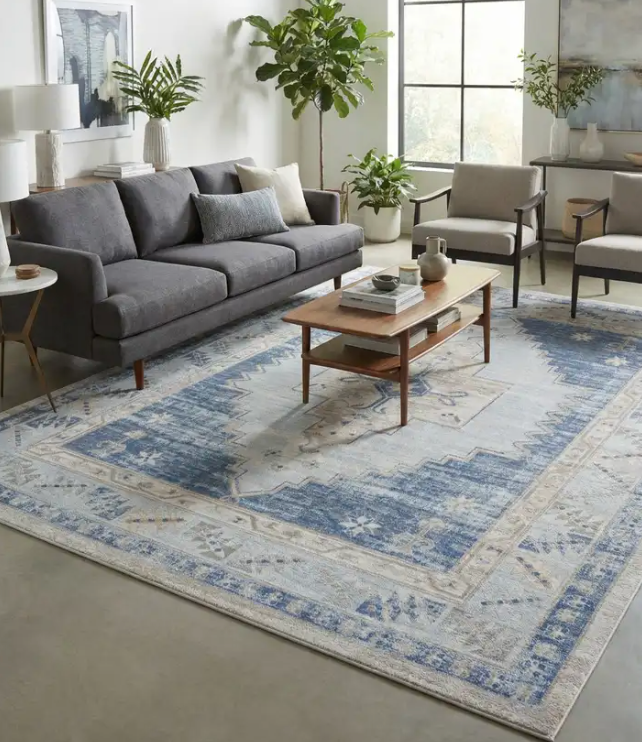
The base rug should be large enough to connect the main furniture pieces. In a living room, at least the front legs of the sofa and chairs should sit on it.
Add a Smaller Feature Rug
Place a smaller rug over the base to create a focal point. The top rug may include stronger colours, detailed patterns, or a softer material.
Make sure the size difference is noticeable. If both rugs are almost the same size, the arrangement may look accidental rather than styled.
Keep the Colours Connected
The rugs do not need to match exactly, but they should share at least one related colour. A patterned top rug can work well when one of its shades appears in the base rug, cushions, curtains, or furniture.
For a calm interior, combine beige, cream, grey, brown, or muted blue. For a more expressive room, use a neutral base with a colourful upper rug.
Combine Different Textures
Texture is one of the most important elements in rug layering. Pairing two rugs with the same thickness and finish may create a flat appearance.
Consider combining:
-
Jute with wool
-
Sisal with cotton
-
Flatweave with shag
-
Natural fibre with vintage-style fabric
-
Low-pile rugs with soft sheepskin designs
The bottom rug should usually be flatter and firmer than the top rug.
Latest Layering Rug Ideas for Different Rooms
Living Room Rug Layering
Place a broad neutral rug under the main seating area and centre a patterned rug beneath the coffee table. The upper rug should extend beyond the table but does not need to reach every furniture leg.
This arrangement works particularly well when the base rug connects the sofa and chairs.
Bedroom Rug Layering
Use a large flat rug beneath the bed and add a smaller soft rug at the foot or along one side. A sheepskin-style or plush rug can make the bedroom feel warmer without covering the entire floor.
For smaller rooms, place two matching runners on either side of the bed over a larger base rug.
Dining Room Rug Layering
Choose a durable, low-pile base rug that is large enough for the dining table and chairs. Add a thinner decorative rug beneath the table to introduce pattern.
Avoid thick upper rugs because chair legs may become difficult to move.
Entryway Rug Layering
Layer a colourful runner over a plain natural-fibre rug to create a welcoming entrance. Make sure both rugs are thin enough to avoid blocking the door.
Using a non-slip rug pad is especially important in entryways because these areas receive frequent foot traffic.
Common Rug Layering Mistakes to Avoid
Do not combine several bold patterns unless the rest of the room is simple. Too many competing designs can make the space feel busy.
Avoid using rugs that are almost identical in size. A visible border around the top rug helps establish the layered effect.
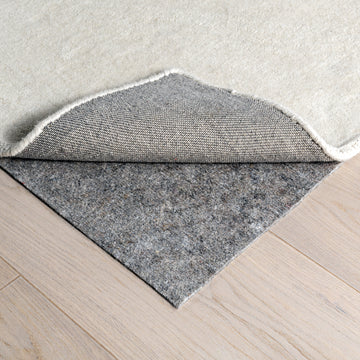
Do not ignore rug movement. Always use suitable rug pads or grippers to prevent slipping, curling, and uneven edges.
Finally, avoid placing a thick rug over an unstable or highly textured base. The upper rug should lie flat and remain comfortable underfoot.
Final Thoughts
Layering rugs can bring warmth, definition, and personality to different areas of the home. Start with a large neutral base, add a smaller feature rug, and connect the colours with the surrounding décor.
The best arrangements combine contrasting textures, suitable proportions, and secure placement. Whether you prefer subtle neutrals or detailed patterns, rug layering offers a flexible way to update a room while keeping it practical and visually balanced.