

Sustainable Luxury Rugs: What to Look for in 2026
Sustainable Luxury Rugs: What to Look for in 2026 starts with a simple idea: a premium rug should offer more than an attractive pattern or a soft surface. It should also provide clear information about its materials, construction, care requirements and supply chain. Luxury and sustainability can work together, but shoppers need to look beyond broad claims such as “eco-friendly” or “conscious”.
A rug that lasts for years, can be repaired or professionally cleaned, and is made with transparent sourcing may be a more considered choice than a cheaper product that needs early replacement. This guide explains the practical details worth checking before selecting a sustainable luxury rug for your home.
Start With the Material and Construction
Natural fibres are often a useful starting point. Wool is valued for its resilience, softness and ability to hold colour, while cotton can suit lighter flatweaves. Jute, hemp and sisal add texture and can work well in lower-pile or woven rugs. Recycled fibres may also be appropriate, but the product description should state what has been recycled and, where possible, the percentage used.
Material alone does not determine the full impact of a rug. Look at the backing, dyes, adhesives and finishing treatments as well. A seller that can explain these components clearly gives you a better basis for comparison than one relying only on a general sustainability label.
Materials Worth Comparing
-
Wool: Durable, comfortable and suitable for many living spaces.
-
Organic cotton: Useful for lighter rugs and casual rooms when verified fibre content is provided.
-
Jute and hemp: Textured natural fibres suited to dry areas and layered interiors.
-
Recycled polyester or nylon: Practical for washable or performance rugs when recycled content is documented.
Look for Specific, Relevant Certifications
Certifications are helpful when they identify exactly what has been checked. For handmade rugs, GoodWeave certification relates to labour conditions and independent verification in high-risk production sectors. GOTS covers organic fibre content together with environmental
The most useful approach is to treat each label as one part of the picture. Ask the retailer whether the certification applies to the specific rug, its factory, its raw material or just part of the collection. Request the certificate number or other supporting information if the claim influences your purchase.
Questions to Ask a Retailer
-
Which fibres, backing and dyes are used in this rug?
-
Does the certification apply to this exact product?
-
Where was the rug woven and finished?
-
Can the rug be repaired, professionally cleaned or recycled at the end of use?
-
Is a care guide available before purchase?
Prioritise Craftsmanship and Expected Lifespan
Luxury rugs are often defined by skilled hand-knotting, hand-tufting or carefully woven construction. These methods can create a durable product, but quality still varies. Check the pile density, edge finishing, backing and the clarity of the pattern. A well-made rug should sit flat, have secure edges and maintain its structure with proper care.
Think about the room where the rug will be used. A delicate high-pile wool rug may be suitable for a bedroom, while a dense, low-pile design may be more practical in a dining room or entrance. Selecting the right construction for the room can extend the rug’s useful life and reduce the chance of early wear.
Choose Timeless Design Over Short-Lived Trends
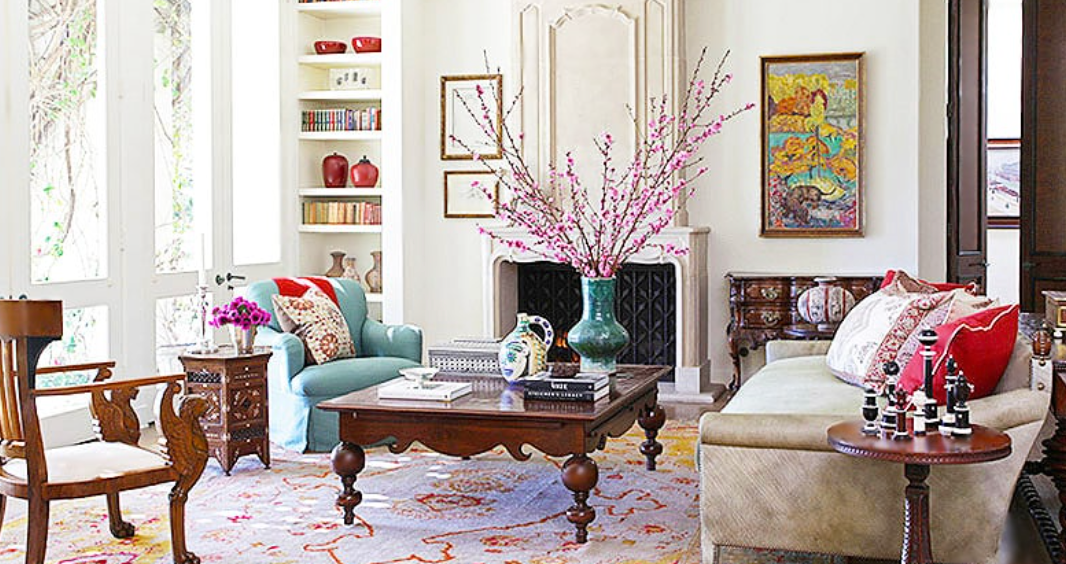
A sustainable luxury choice should continue to suit the home after a season or two. Neutral bases, classic borders, subtle geometric patterns and restrained florals are easier to place when furniture or wall colours change. This does not mean that every rug must be beige or plain; it means selecting a design you expect to value for several years.
Before buying, consider whether the rug works with your current furniture and whether it could move to another room later. A versatile size and colour palette can make future use more likely.
Care Habits That Protect Your Rug
-
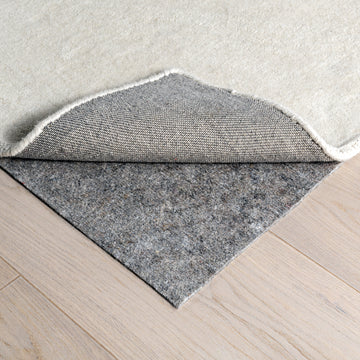
Use a quality rug pad to reduce slipping and friction.
-
Vacuum according to the fibre and pile type.
-
Rotate the rug periodically to spread sunlight and foot traffic.
-
Address spills promptly using the maker’s care instructions.
-
Use a professional cleaner for delicate materials or deep cleaning.
Conclusion
Sustainable Luxury Rugs: What to Look for in 2026 is ultimately a guide to making a better-informed choice. Focus on clear material information, relevant certifications, skilled construction, suitable performance and a design you will keep. When a brand can explain how a rug is made and how it should be cared for, you are better placed to choose a piece that offers both lasting comfort and responsible value.