

The Ultimate Guide to Choosing Rugs for Every Room in Your Home
Rugs play a significant role in shaping the look, comfort, and functionality of a home. Beyond adding warmth and texture, the right rug helps define spaces, protect flooring, and bring cohesion to your interior design. However, choosing rugs for different rooms can feel overwhelming due to the variety of sizes, materials, and styles available. The Ultimate Guide to Choosing Rugs for Every Room in Your Home offers clear, practical advice to help you make informed decisions that suit both your lifestyle and décor.
Why Rugs Matter in Interior Design
Rugs serve as both functional and decorative elements. They soften hard floors, reduce noise, and add visual balance to a space. A well-chosen rug can anchor furniture, guide movement through open layouts, and enhance the overall comfort of a room. When selected carefully, rugs also improve durability in high-traffic areas and contribute to a polished, well-planned interior.
Key Factors to Consider Before Buying a Rug
Before choosing a rug for any room, it is important to understand a few foundational factors that influence both appearance and practicality.
Rug Size and Proportion
Size is one of the most common challenges when buying rugs. A rug that is too small can make a room feel disjointed, while an oversized rug may overwhelm the space. Measure your room and furniture layout before purchasing. Ideally, a rug should sit under key furniture pieces or at least touch the front legs to create visual connection.
Material and Texture
Rug materials affect comfort, maintenance, and durability. Wool rugs are known for their softness and longevity, making them suitable for living rooms and bedrooms. Cotton rugs are lightweight and easy to clean, while synthetic materials offer stain resistance and are ideal for busy households. Natural fibers like jute and sisal add texture but are better suited for low-moisture areas.
Color and Pattern
Color and pattern should complement your existing décor rather than compete with it. Neutral rugs provide flexibility and longevity, while patterned rugs can add character and hide wear. Consider how much natural light the room receives, as darker rugs can make small or dim spaces feel enclosed.

Choosing the Right Rug for Each Room
Each room in your home has unique needs. Selecting rugs based on function ensures long-term satisfaction and comfort.
Living Room Rugs
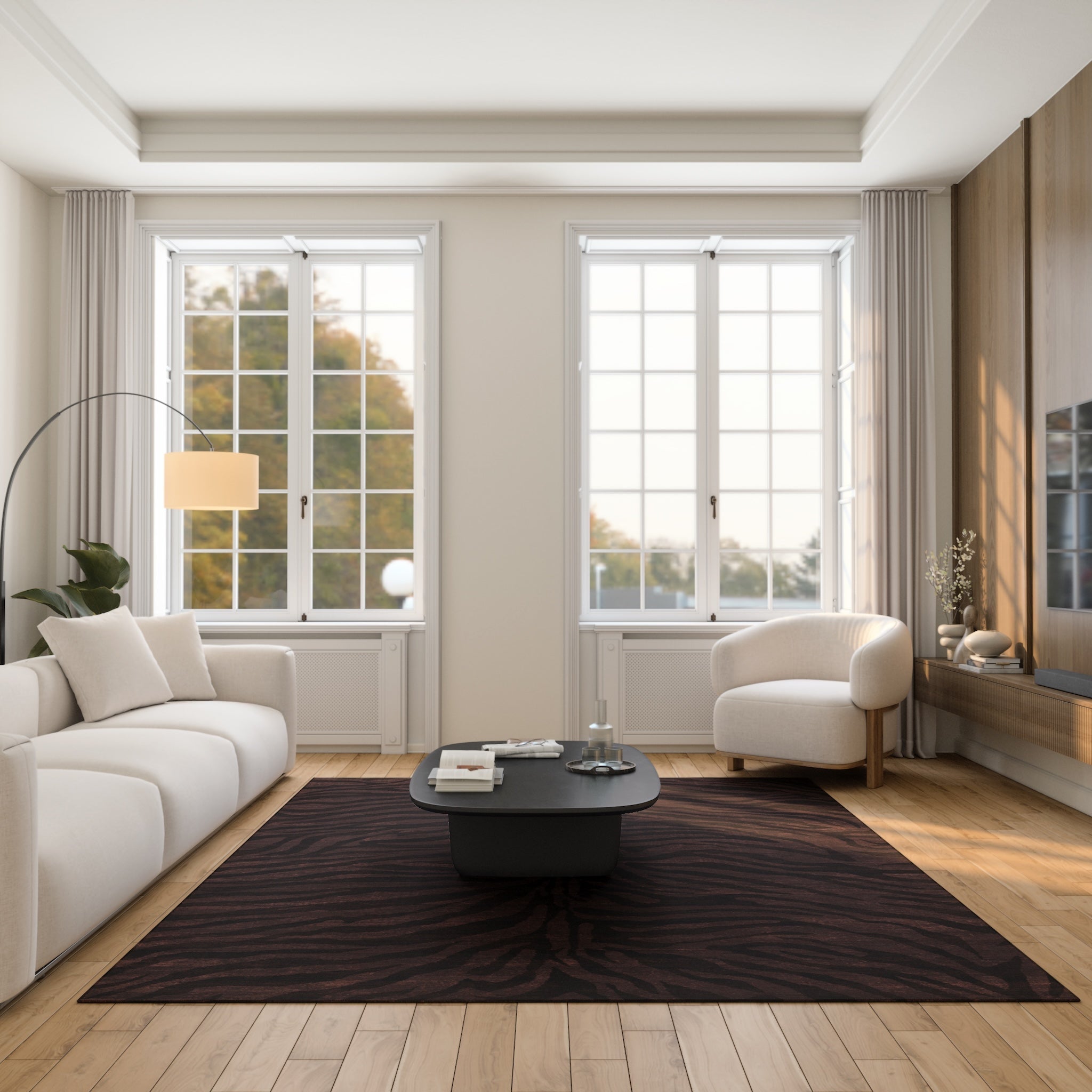
The living room is often the focal point of the home, making rug selection especially important. Choose a rug large enough to anchor the seating area. Ideally, all major furniture pieces should sit on the rug, or at least the front legs should rest on it. Durable materials like wool or blended fibers work well due to frequent use. Patterns and textures can add depth while maintaining balance with surrounding décor.
Bedroom Rugs
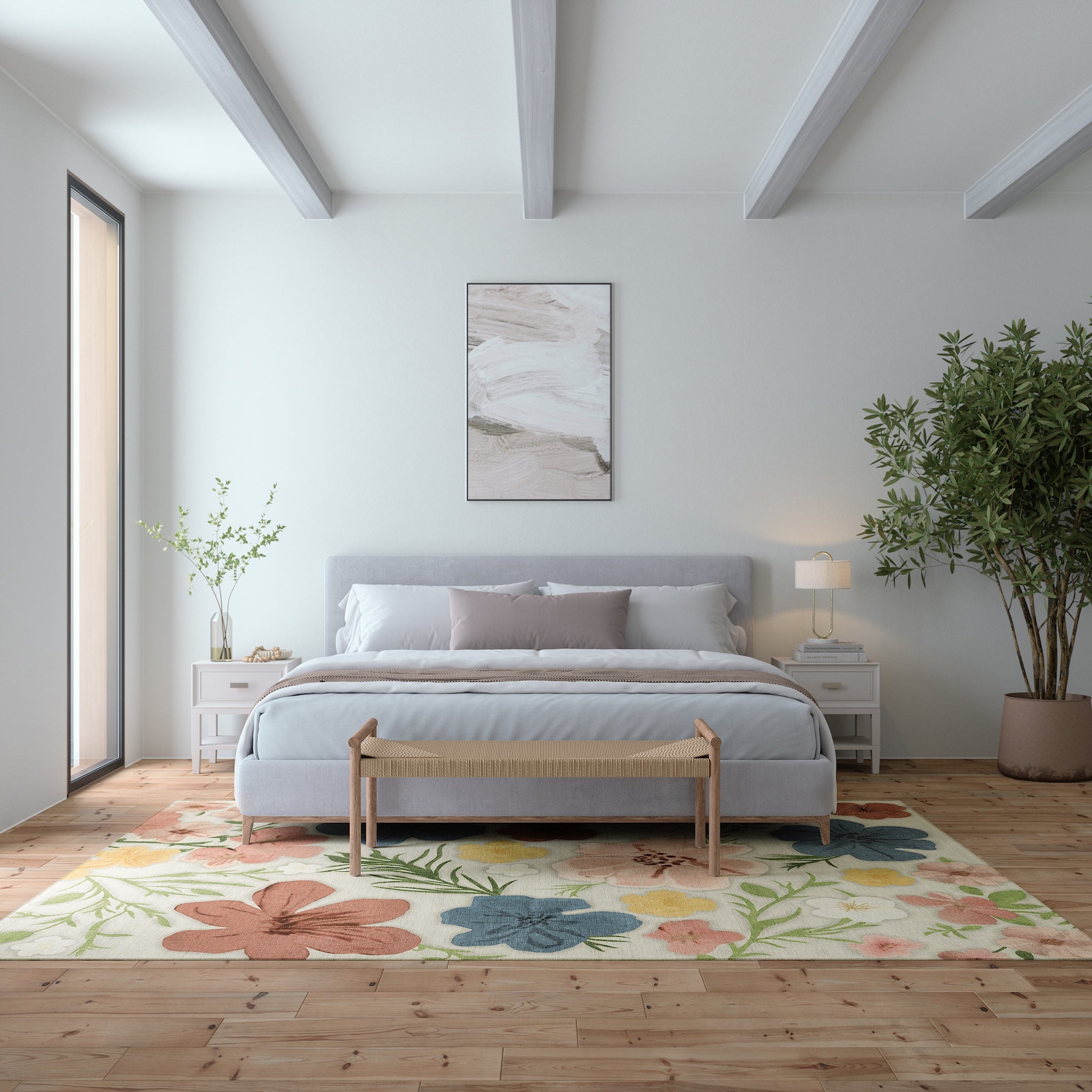
In bedrooms, rugs enhance comfort and warmth. A large rug placed under the bed creates a cohesive look and provides a soft surface underfoot when you wake up. Alternatively, runners on either side of the bed offer flexibility. Soft materials such as wool or plush synthetic fibers are well-suited for bedrooms due to their comfort and insulating properties.
Dining Room Rugs
Dining room rugs should be both functional and visually appealing. Select a rug that extends beyond the table on all sides, allowing chairs to remain on the rug even when pulled out. Low-pile or flat-weave rugs are easier to clean and prevent chairs from catching on fibers. Stain-resistant materials are especially practical in this space.
Kitchen Rugs
Kitchen rugs add comfort in areas where you stand for long periods, such as near sinks or countertops. Runners or small accent rugs work best here. Choose materials that are easy to clean and resistant to moisture. Non-slip backing is essential for safety.
Hallway and Entryway Rugs
Hallways and entryways experience heavy foot traffic, making durability a priority. Runners are ideal for narrow spaces, while entryway rugs should trap dirt and moisture effectively. Flat-weave or low-pile rugs made from sturdy fibers are easier to maintain and last longer in these areas.
Matching Rugs with Your Overall Style
Consistency is key when using multiple rugs throughout your home. While each room can have its own character, maintaining a cohesive color palette or design theme helps create visual flow. You do not need identical rugs in every space, but shared tones or complementary patterns ensure harmony.
Maintenance and Long-Term Care
Proper care extends the life of your rugs. Regular vacuuming prevents dirt buildup, while rotating rugs ensures even wear. Address spills promptly to avoid stains, and follow manufacturer guidelines for cleaning. Investing in quality rugs and maintaining them properly reduces the need for frequent replacements.
Conclusion
Choosing the right rug for each room involves balancing style, function, and practicality. By considering size, material, and placement, you can enhance both comfort and design throughout your home. The Ultimate Guide to Choosing Rugs for Every Room in Your Home serves as a reliable reference for making thoughtful choices that suit your space and lifestyle. With careful selection and proper care, rugs can remain a lasting and valuable part of your home décor.