

Tips for Using an Area Rug Over Carpet
Layering an area rug over carpet is a common interior design approach used to add structure, color, and visual definition to a room. While the idea may seem unconventional at first, it works well when done thoughtfully. This guide shares practical Tips for Using an Area Rug Over Carpet, helping you avoid common mistakes and achieve a clean, well-finished look.
Why Place an Area Rug Over Carpet?
Wall-to-wall carpeting provides comfort and insulation, but it often lacks visual focus. An area rug can help break up large spaces, anchor furniture, or introduce contrast without replacing the carpet entirely.
Key benefits include:
-
Clear zoning in open layouts
-
Added texture and color
-
Protection for high-traffic carpeted areas
- Flexibility to update décor without permanent changes
Choosing the Right Area Rug Size
Selecting the correct size is one of the most important steps when layering rugs.
Avoid undersized rugs
A rug that is too small can appear accidental rather than intentional. Ideally, the rug should be large enough to hold the front legs of major furniture pieces, such as sofas or beds.
Common size guidelines
-
Living room: 6×9 or 8×10 feet
-
Bedroom: Rug should extend at least 18–24 inches beyond the bed
- Dining area: Ensure chairs remain on the rug when pulled out
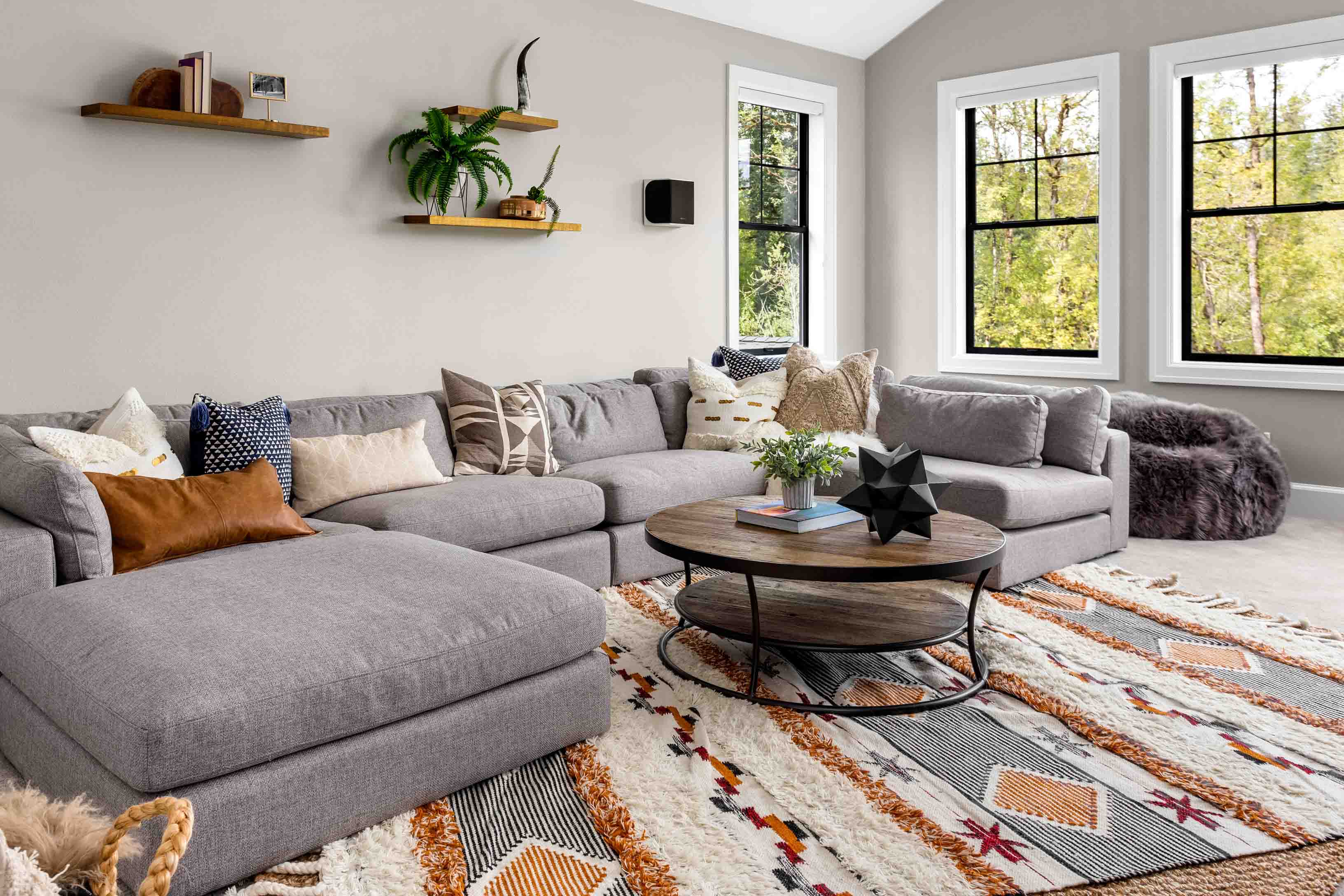
Match Carpet Pile With Rug Thickness
The relationship between carpet pile and rug thickness affects both appearance and safety.
Best combinations
-
Low-pile carpet + flatweave rug: Creates a stable, clean look
- Medium-pile carpet + low-profile rug: Maintains balance without shifting
What to avoid
Placing a thick, plush rug over a high-pile carpet can cause uneven surfaces and increase slipping risk.
Focus on Color Contrast, Not Matching
An area rug should stand out slightly from the carpet beneath it.
Practical color tips
-
Neutral carpet pairs well with patterned or textured rugs
-
Dark carpets benefit from lighter rugs to prevent a heavy look
- Avoid rugs that are nearly identical in color to the carpet
The goal is contrast, not camouflage.
Use Patterns Carefully
Patterns can add interest, but they must be balanced with the carpet’s texture.
If your carpet is plain
You can safely use geometric, traditional, or abstract rug patterns.
If your carpet has texture or pattern
Choose a simpler rug design to avoid visual clutter.
Proper Placement Makes the Difference
Correct placement ensures the rug feels intentional and functional.
Living room placement
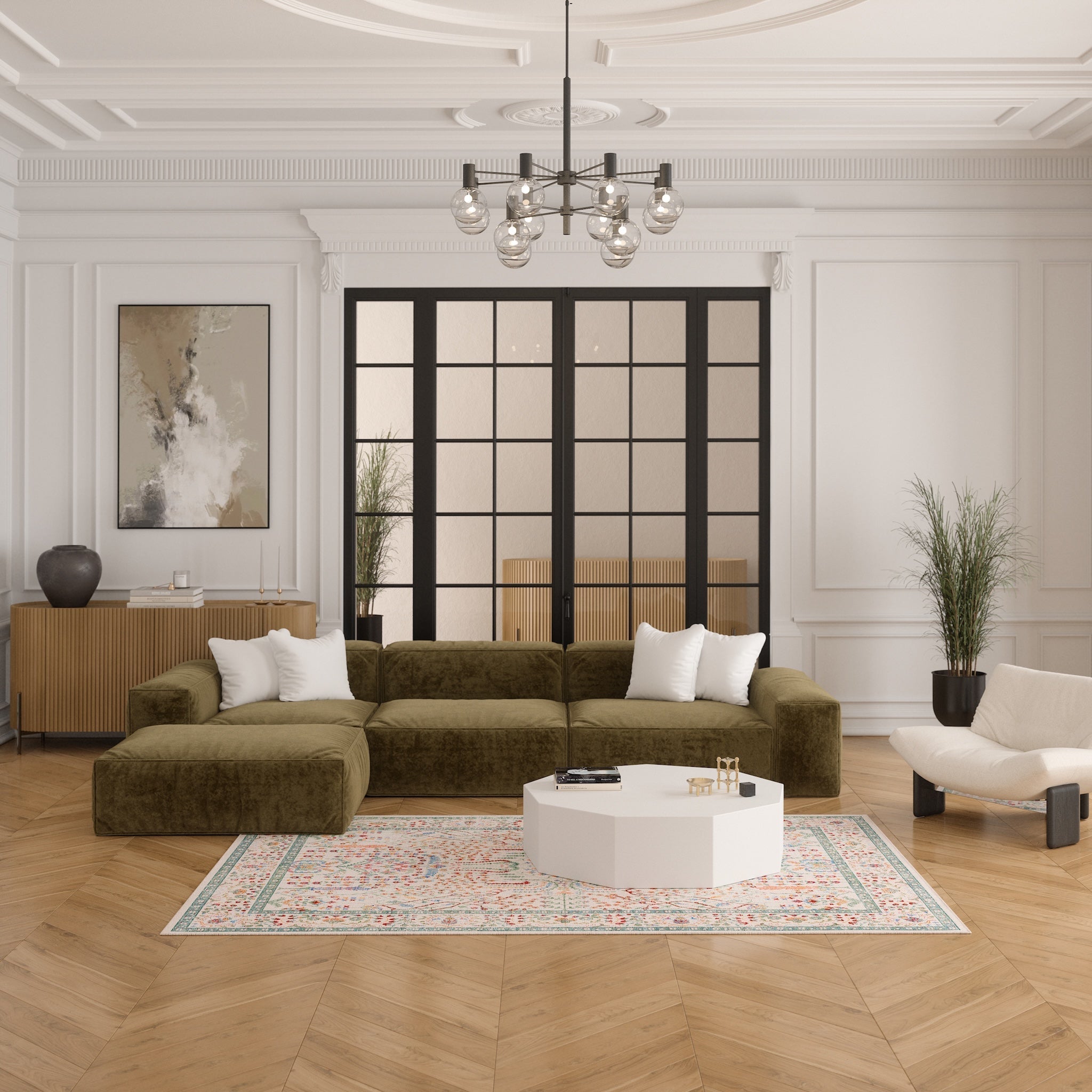
Center the rug under the coffee table, ensuring it aligns with the seating arrangement.
Bedroom placement
Position the rug under the lower two-thirds of the bed for symmetry and comfort.
Home office placement
Make sure chair wheels sit fully on the rug to prevent snagging.
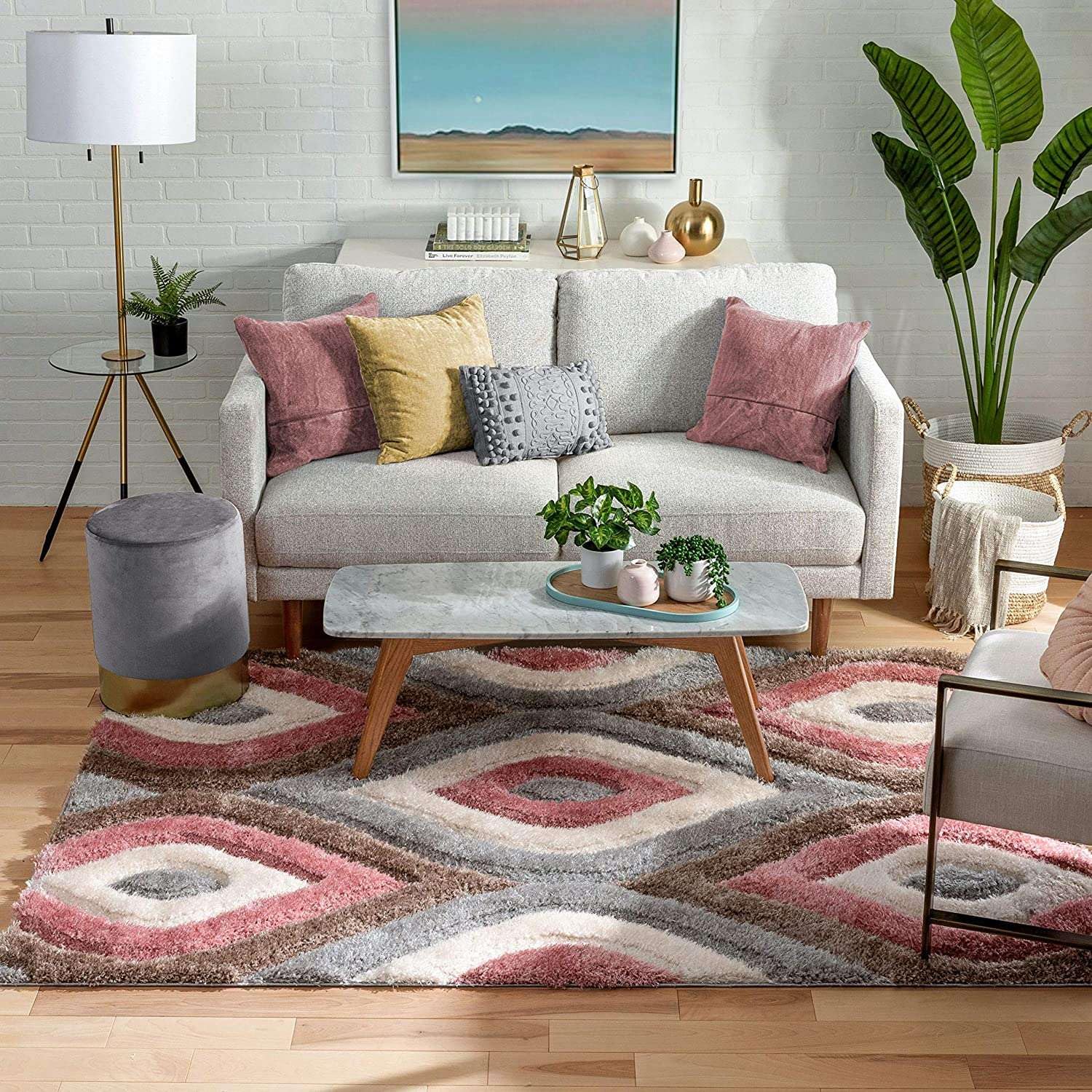
Prevent Slipping and Bunching
Safety and stability are essential when placing an area rug over carpet.
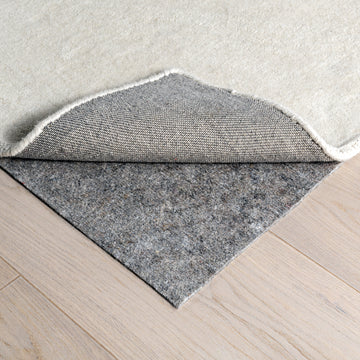
Use rug grippers
Non-slip rug pads designed for carpet help keep rugs in place without damaging fibers.
Consider rug weight
Heavier rugs tend to stay in position better than lightweight options.
Pay Attention to Rug Material
Material choice affects durability and maintenance.
Recommended materials
-
Wool: Durable and naturally resistant to wear
-
Cotton blends: Lightweight and easy to clean
- Synthetic fibers: Suitable for high-traffic areas
Avoid delicate materials in spaces with frequent movement.
Maintenance and Cleaning Tips
Layered rugs require regular care to maintain appearance and hygiene.
Final Thoughts
Using an area rug over carpet is a practical way to enhance comfort and define space without major renovations. By following these Tips for Using an Area Rug Over Carpet, you can achieve a balanced, structured look that feels intentional and refined. With the right size, material, and placement, layered rugs can elevate both style and functionality in any room.