

Should You Put a Rug Under a Dining Table?
A dining room rug can change the appearance, comfort, and functionality of a dining area. It can define the space, protect the floor, reduce noise, and add warmth underfoot. However, placing a rug beneath a dining table also requires careful consideration because the area is exposed to food spills, chair movement, and regular foot traffic.
So, Should You Put a Rug Under a Dining Table? The answer depends on your room size, flooring type, household needs, and willingness to maintain the rug. Understanding the advantages and possible challenges can help you decide whether a dining rug is suitable for your home.
Benefits of Placing a Rug Under a Dining Table
A well-chosen rug can serve both decorative and practical purposes in a dining room.
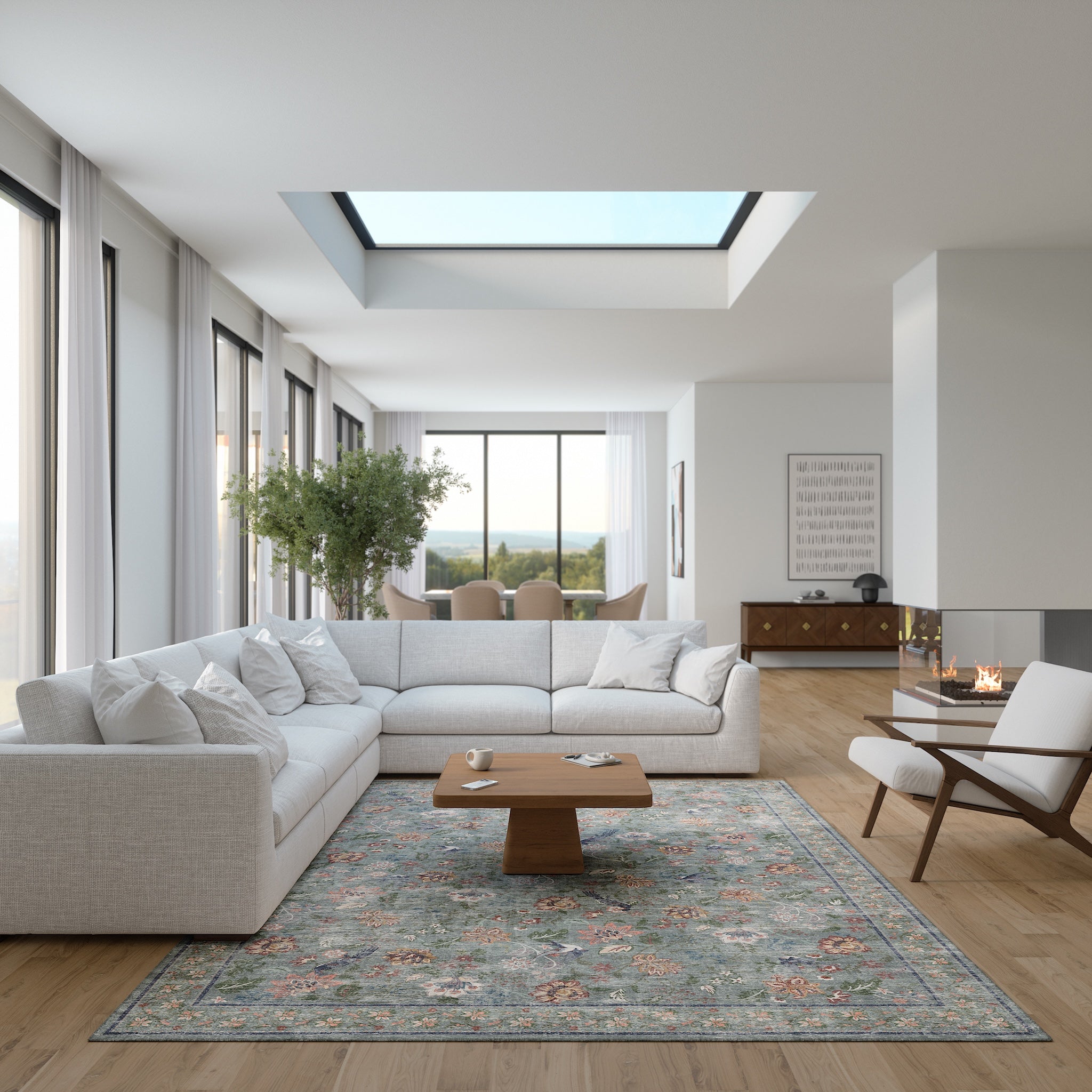
It Defines the Dining Area
In open-plan homes, the dining space may blend into the kitchen or living room. A rug creates a clear visual boundary and makes the dining arrangement feel more organised.
This is especially useful when the dining table is not separated by walls. The rug acts as a frame for the table and chairs, helping the dining area appear intentional rather than simply placed within a larger room.

It Protects the Flooring
Dining chairs are moved frequently, which can cause scratches, dents, and marks on hardwood, laminate, or vinyl flooring. A rug provides a protective layer between the chair legs and the floor.
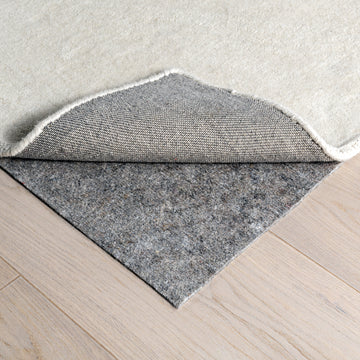
It may also help reduce the effect of dropped utensils, plates, or serving dishes. However, the rug should still be paired with suitable floor protection if the furniture is particularly heavy.
It Improves Comfort
A rug creates a softer and warmer surface beneath the dining table. This can be particularly beneficial in rooms with tiled, stone, or concrete flooring.
The added comfort may make the dining area feel more inviting, especially during colder months. It can also reduce the hard, echoing quality often found in rooms with bare floors.
It Helps Reduce Noise
Dining rooms can become noisy due to moving chairs, conversations, and contact between tableware and hard surfaces. Rugs absorb some of this sound and help create a quieter environment.
This benefit can be useful in apartments, open layouts, and homes where the dining room is close to a living or working area.
Potential Drawbacks of a Dining Room Rug
Although rugs offer several benefits, they may not suit every household.
Food and Drink Spills
Spills are one of the main concerns when placing a rug beneath a dining table. Crumbs, sauces, drinks, and grease can stain certain materials and make regular cleaning necessary.
Homes with young children or frequent guests may require a highly stain-resistant and easy-to-clean rug. Otherwise, a bare floor may be the more practical choice.
Chairs May Catch on the Rug
If the rug is too small, chair legs may catch on its edges when people sit down or stand up. This can be uncomfortable and may cause the rug to bunch or shift.
Choosing the correct size is essential for safe and smooth chair movement.
Additional Maintenance
A dining room rug usually needs more frequent vacuuming than rugs in lower-traffic spaces. Food particles can become trapped between the fibres, particularly in thick or high-pile rugs.
Depending on the rug material, occasional deep cleaning may also be necessary.
What Size Rug Should Go Under a Dining Table?
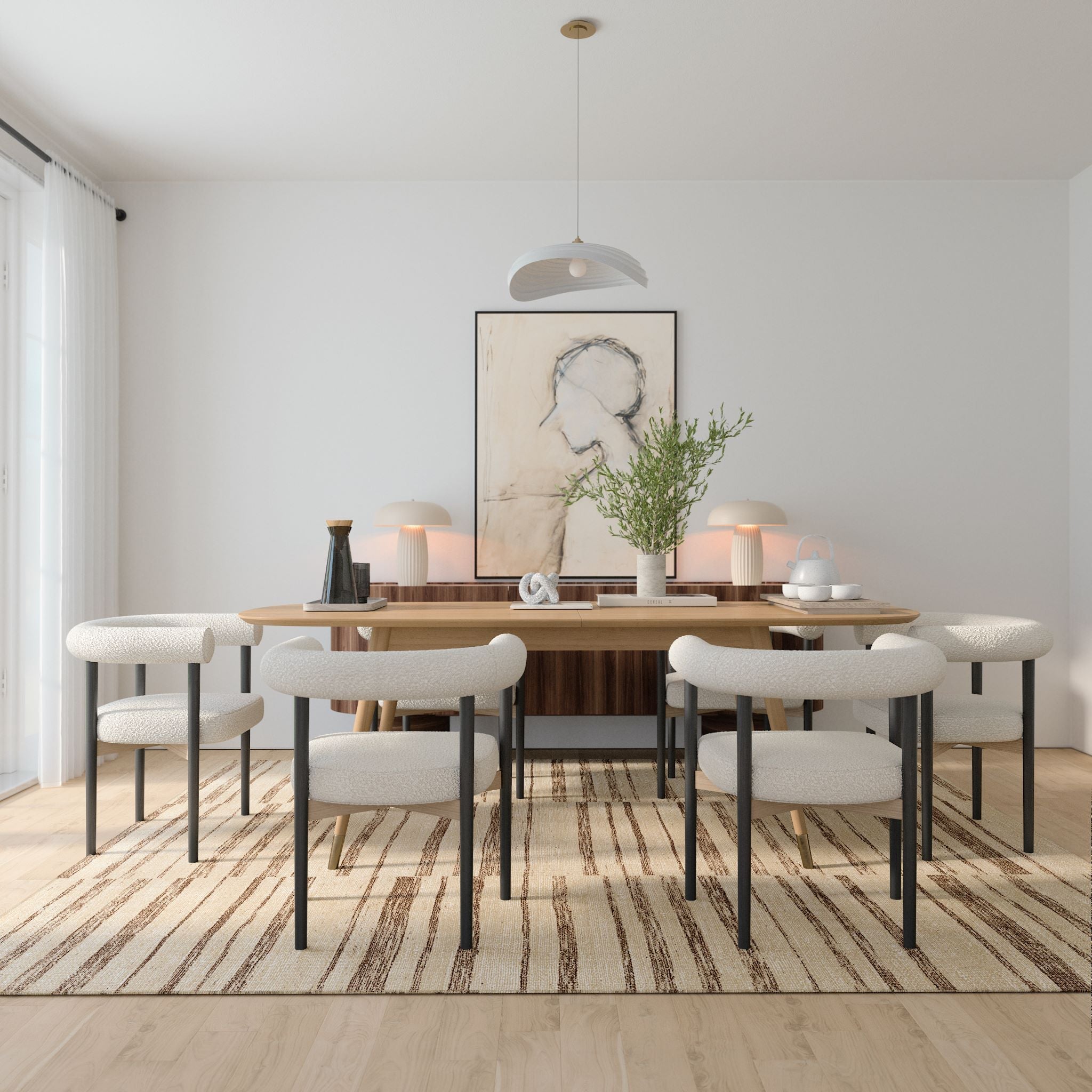
The rug should be large enough to accommodate the table and all chairs, even when the chairs are pulled away from the table.
As a general guideline, allow approximately 24 to 30 inches of rug space beyond each side of the table. This provides enough room for chair legs to remain on the rug during use.
Rug Size for Different Table Shapes
For a rectangular dining table, a rectangular rug usually creates the most balanced appearance. Round tables often work well with round rugs, although a large square rug may also be suitable.
Square dining tables can be paired with square or round rugs, depending on the room shape and surrounding furniture. The rug should complement the table without making the dining area feel crowded.
Before purchasing, measure the table and extend the chairs into their normal seated position. Use painter’s tape on the floor to visualise the rug dimensions.
Best Rug Materials for Dining Areas
The material should be durable, low maintenance, and suitable for frequent chair movement.
Wool Rugs
Wool is durable, comfortable, and naturally resistant to dirt. It can work well in formal dining rooms, although it may require professional cleaning after major spills.
Synthetic Rugs
Materials such as polypropylene, nylon, and polyester are commonly used in dining rooms because they are generally affordable and easier to clean. Many synthetic rugs are designed to resist stains and moisture.
Natural-Fibre Rugs
Jute and sisal rugs provide texture and a neutral appearance. However, their rough fibres can trap crumbs, and some natural materials may absorb spills quickly.
Washable Rugs
Machine-washable rugs are practical for households with children or pets. They allow for easier maintenance, although size and washing-machine capacity should be considered before purchase.
Choosing the Right Rug Style
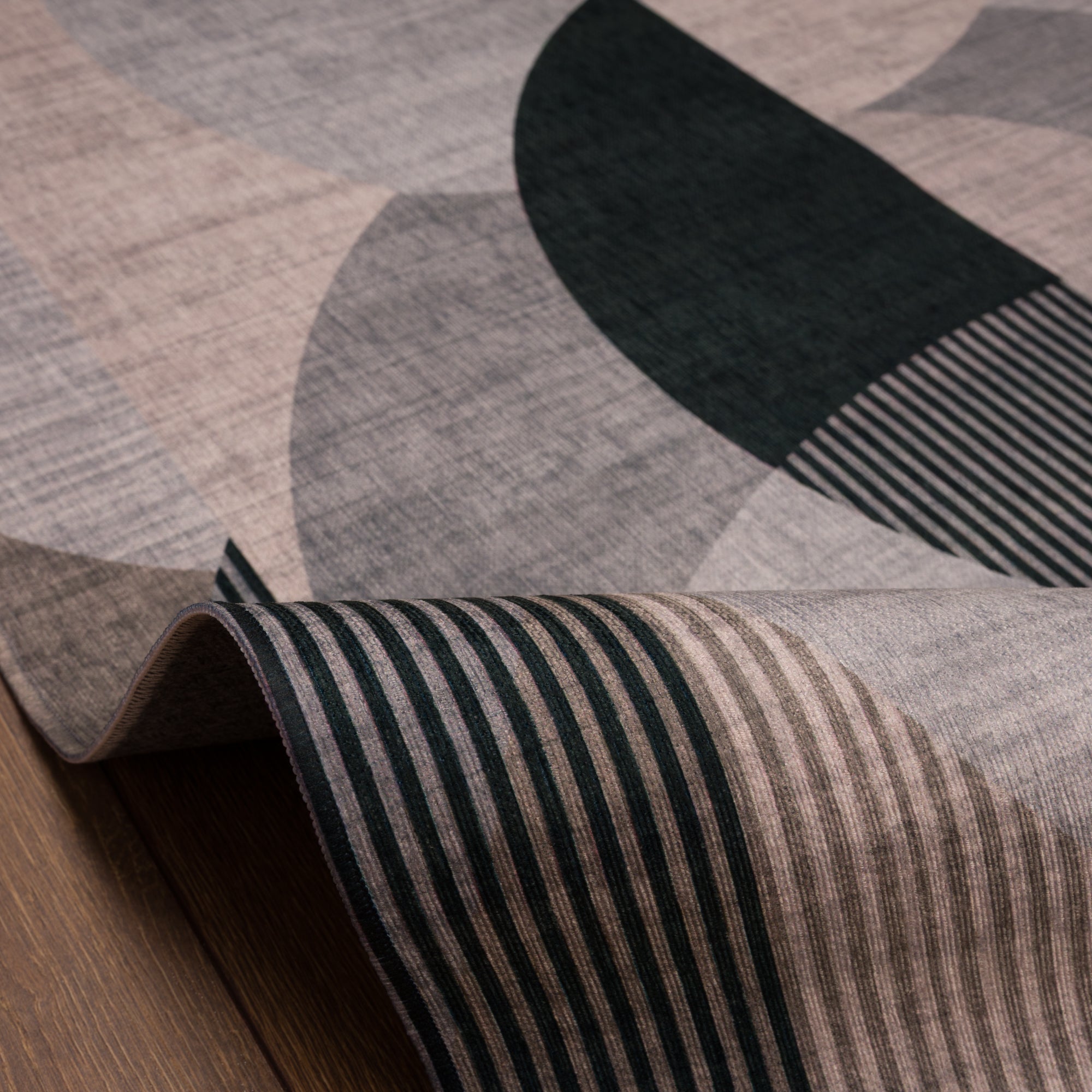
The rug should complement the dining table, chairs, wall colours, and surrounding décor. Patterned rugs are often practical because they can make minor stains and everyday marks less noticeable.
Darker colours may be easier to maintain than very light shades. However, a light rug can make a compact dining room appear brighter and more spacious.
Low-pile or flatweave rugs are generally more suitable than thick rugs. They allow chairs to move more easily and are less likely to collect food particles.
When You May Not Need a Rug
A rug may not be necessary when the dining room already has attractive flooring that you want to display. It may also be unsuitable in a very small room where the rug would extend too close to walls or other furniture.
Households that prefer minimal maintenance may find bare flooring easier to clean after meals. In such cases, felt pads under chair legs can help protect the floor without adding a rug.
Conclusion
Placing a rug under a dining table can improve comfort, protect flooring, define the room, and reduce noise. However, the rug must be large enough, durable, and easy to maintain.
The final decision should reflect how often the dining area is used, who uses it, and how much cleaning the rug may require. With the right size, material, and design, a dining room rug can be both practical and visually balanced.